At a glance
Lomé
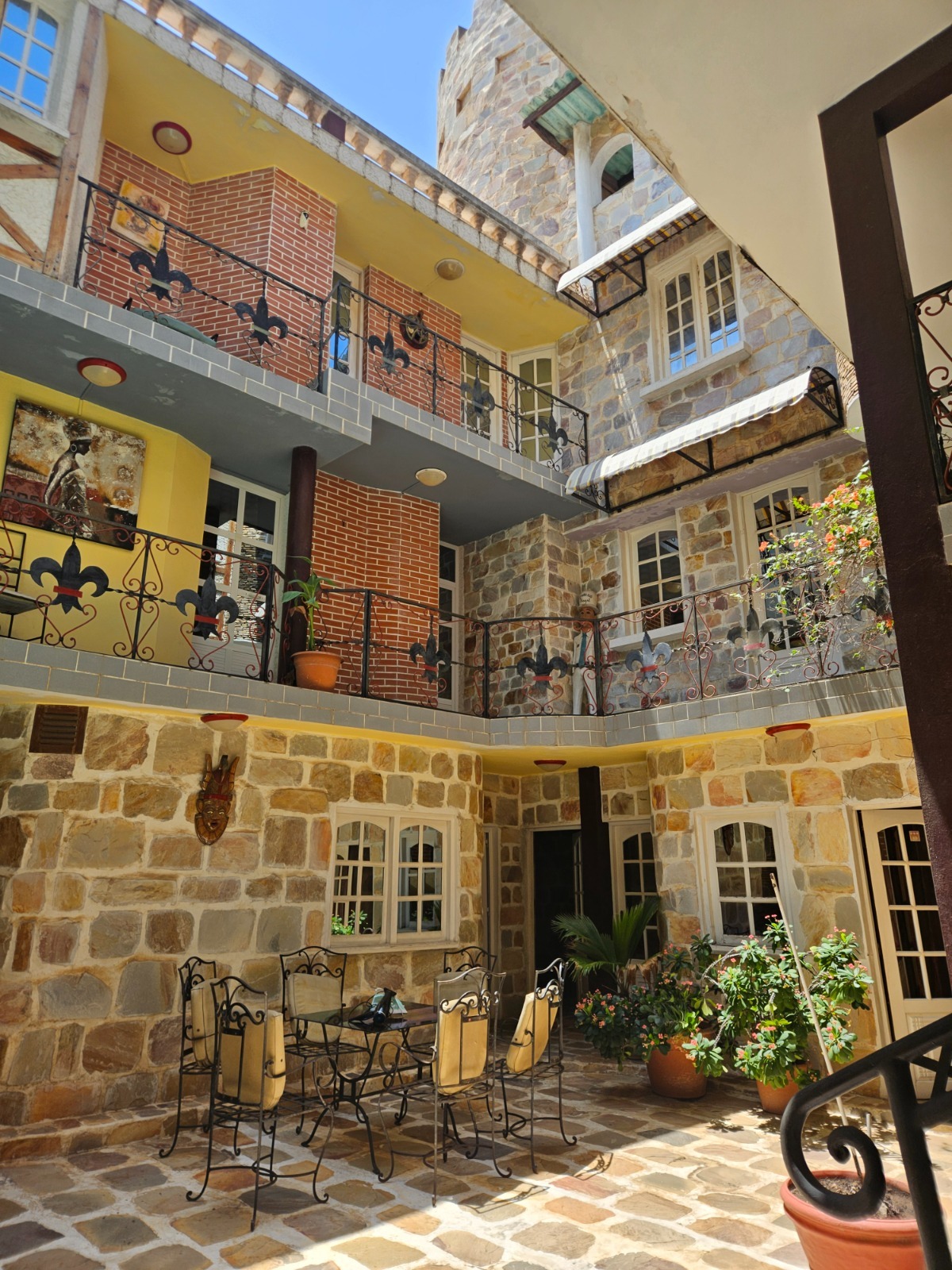
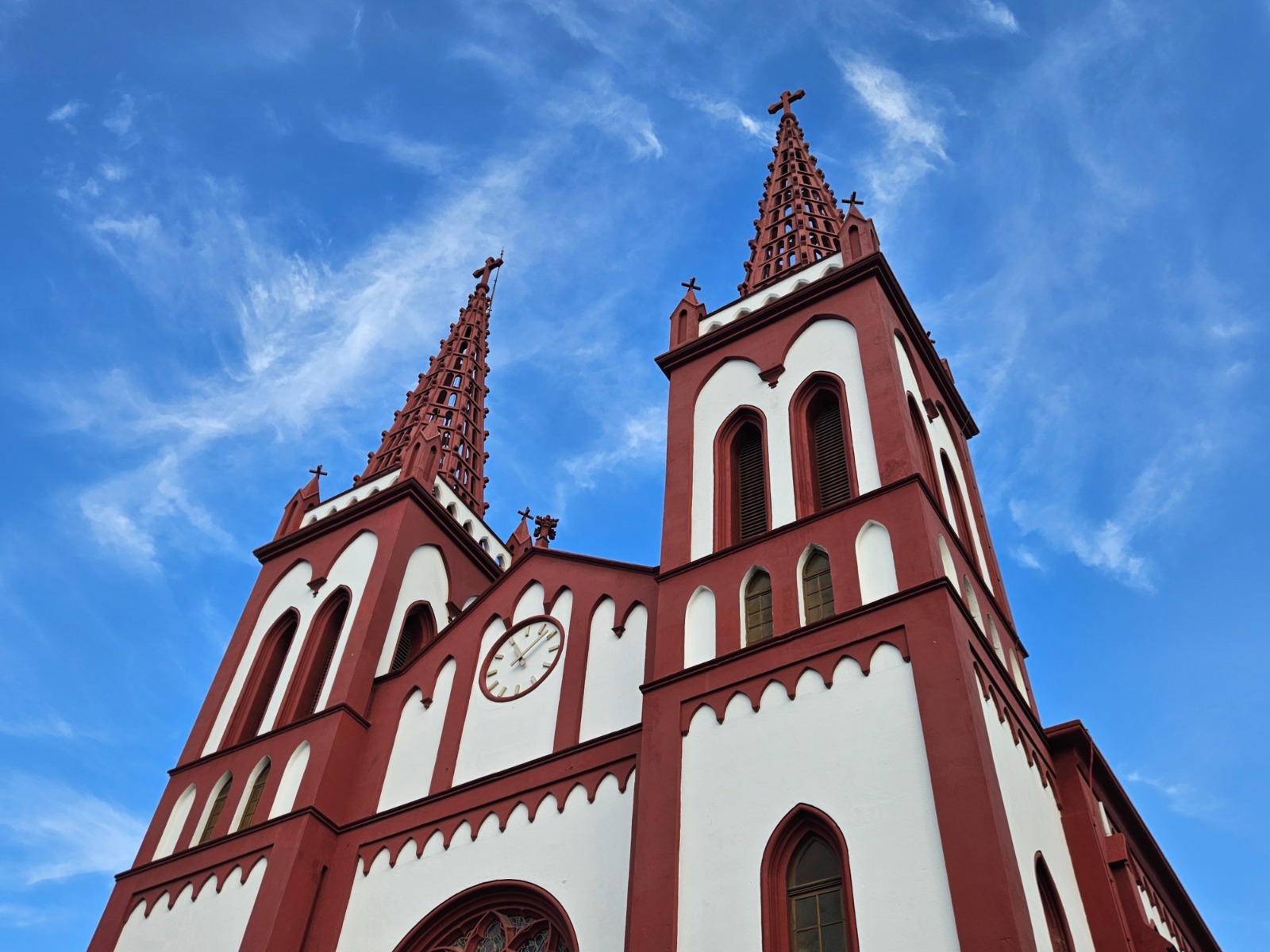
Lomé is compact, coastal, and full of character, sitting right next to the Ghana border, with the Benin border only about 45km away. The city blends German colonial traces with local traditions including the Ewe which make up around 30% of the population.
Getting around & language
The city is relaxed and easy to navigate, with Gozem widely used as the local Uber alternative. Although French is the official language, you can hear Ewe and a bit of English, with many people more comfortable speaking Pidgin than formal British English.
The famous Nana Benz
Lomé’s Grand Marché tells another story: the rise of the “Nana Benz,” a group of powerful businesswomen who dominated the textile trade in 1960s-1980s and became icons of economic success and female entrepreneurship in West Africa.
Tradition, history & trade
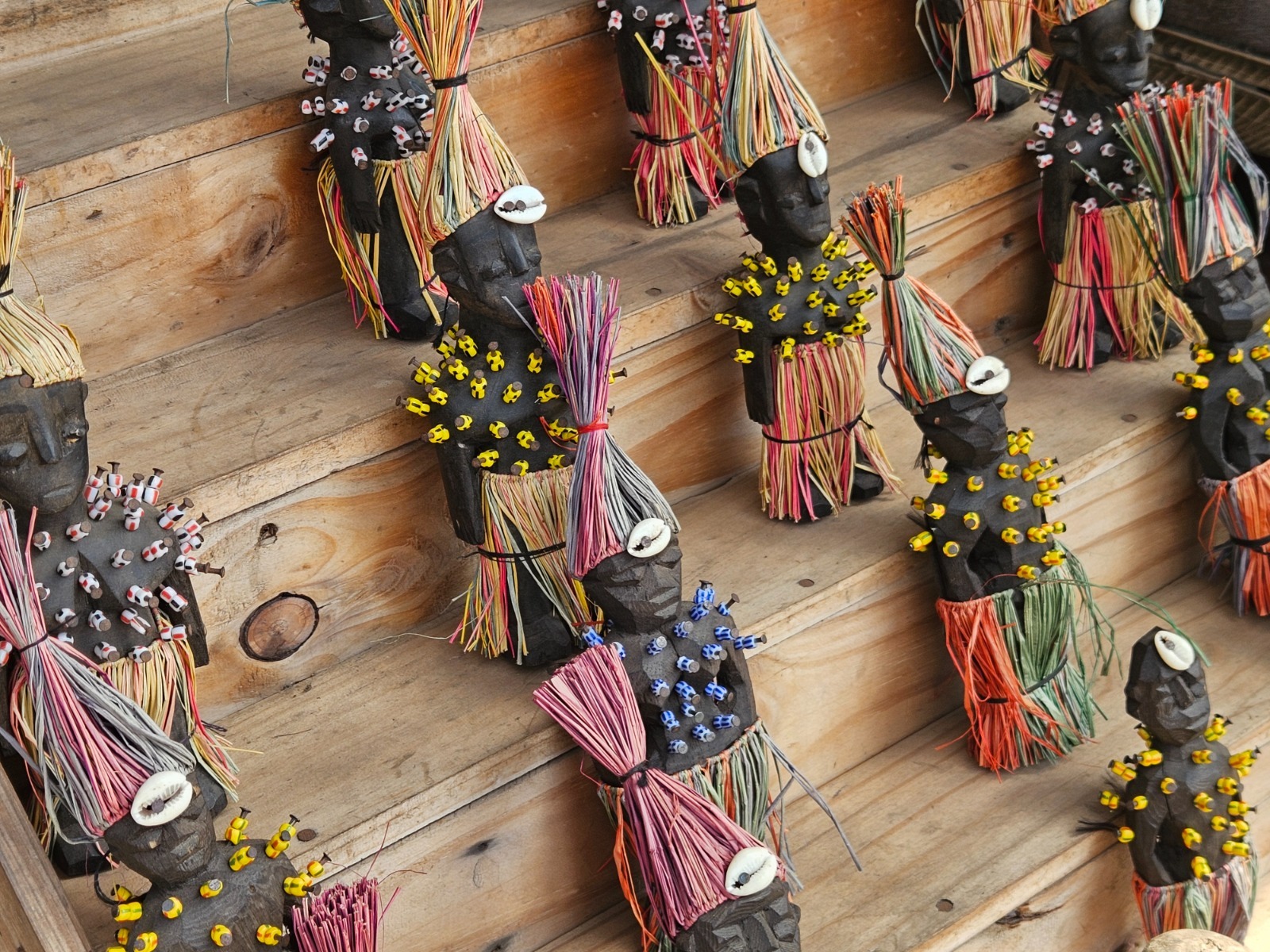
From the Akodessawa Fetish Market to Togoville, Vodún traditions remain central, with shrines, consultations, and spiritual practices still active. Around 33% of the population practice traditional religion which the most famous coming from the Yoruba people.
A visual journey through Togo
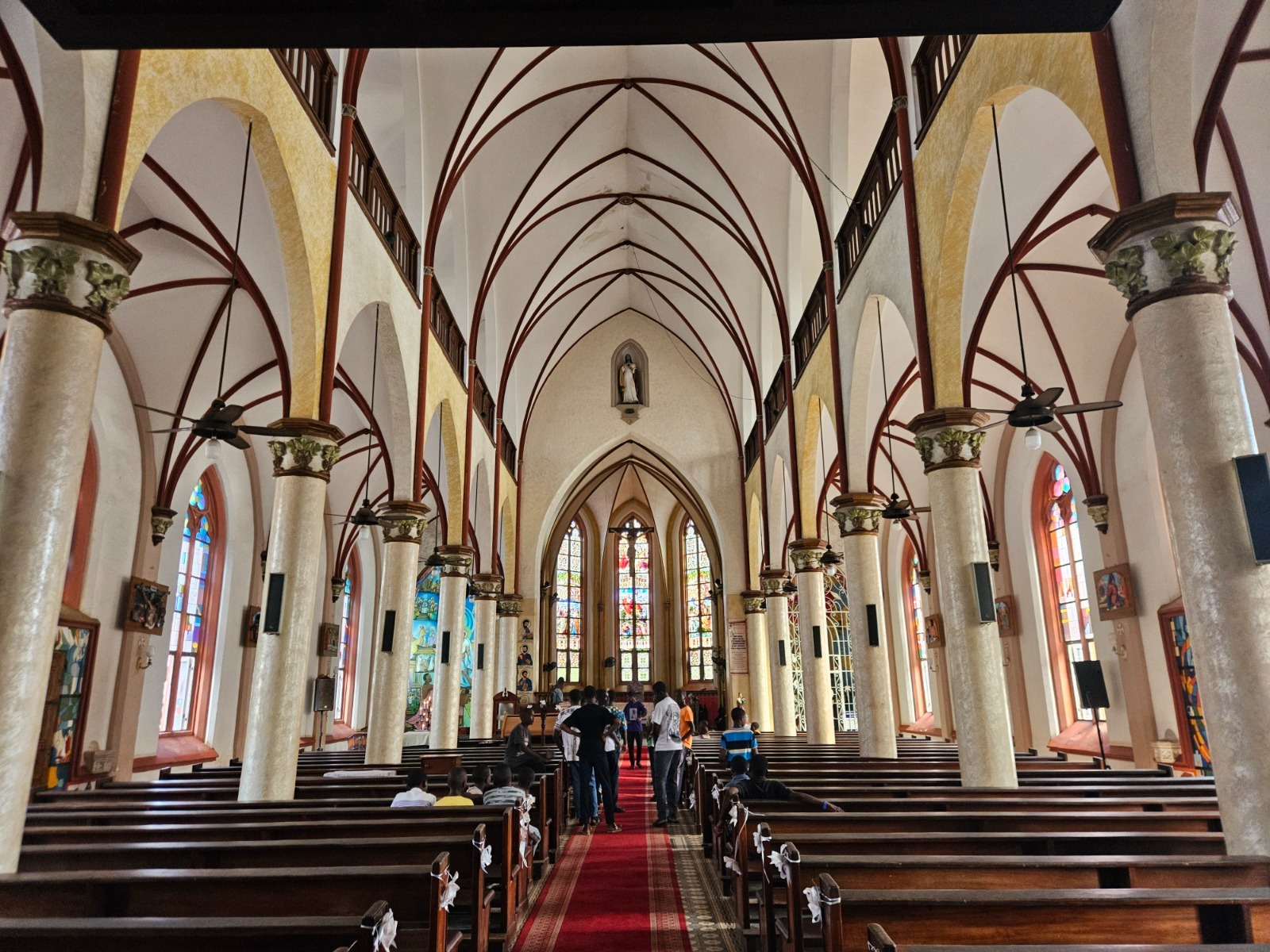
Lomé
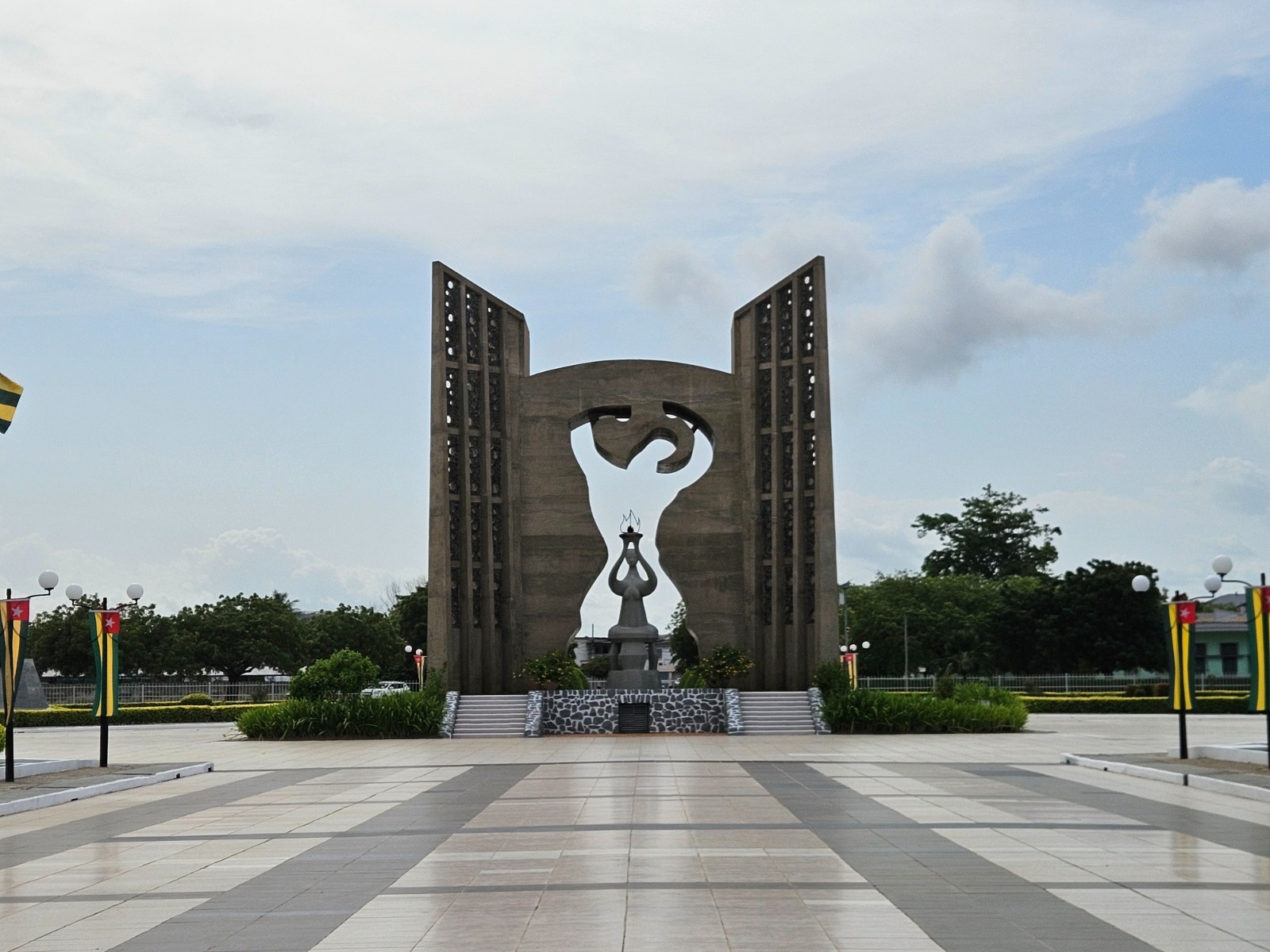
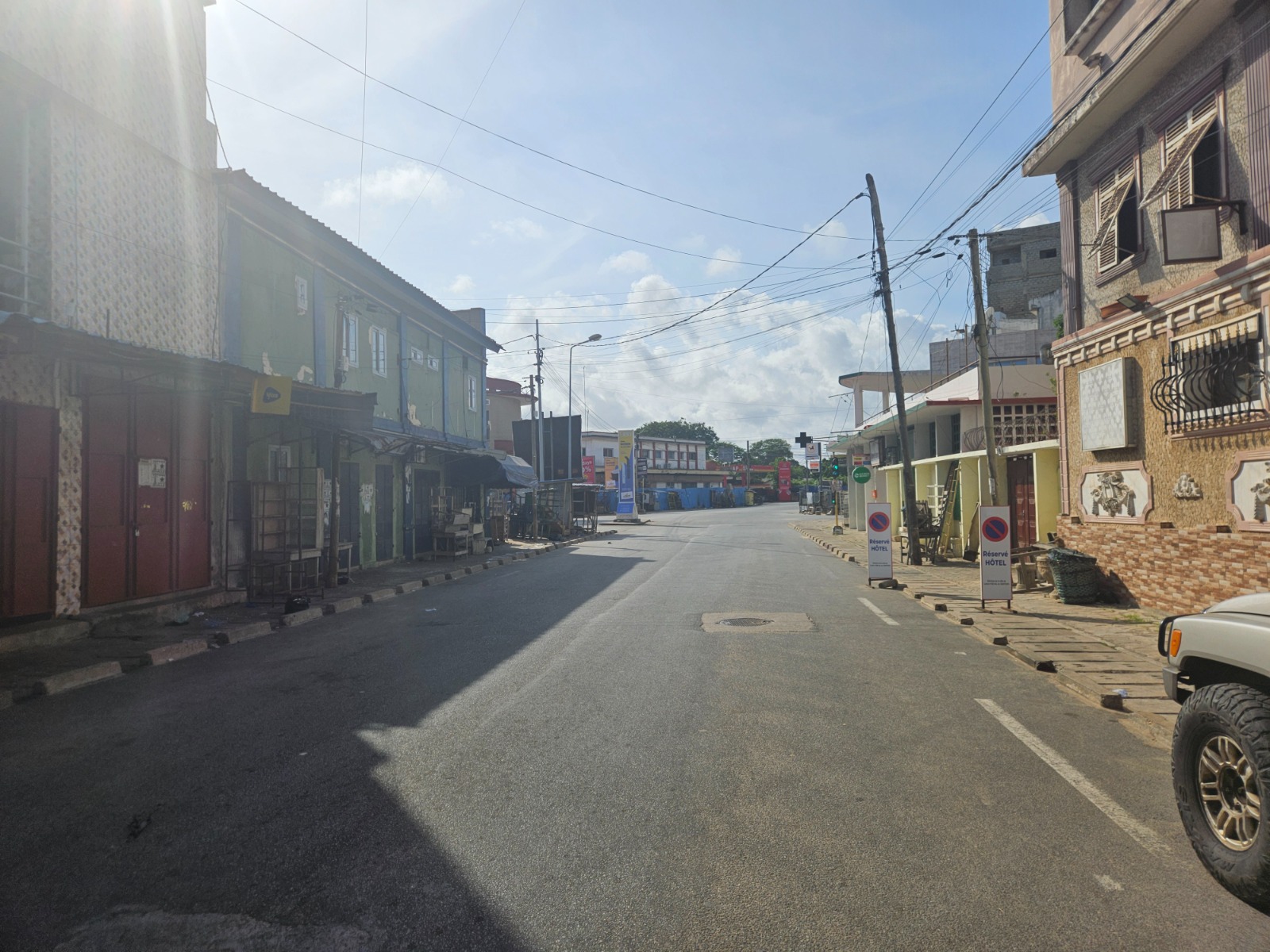
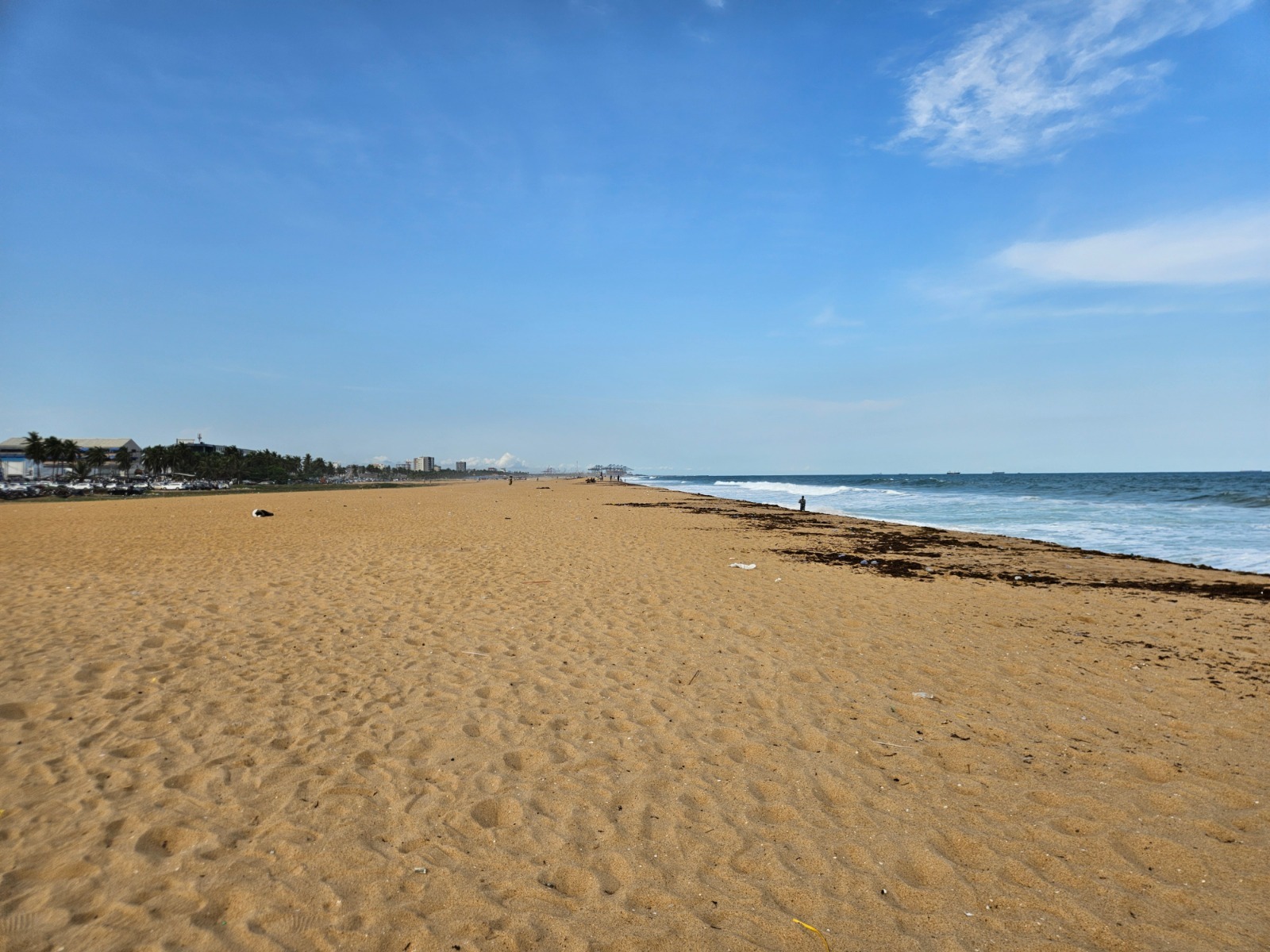
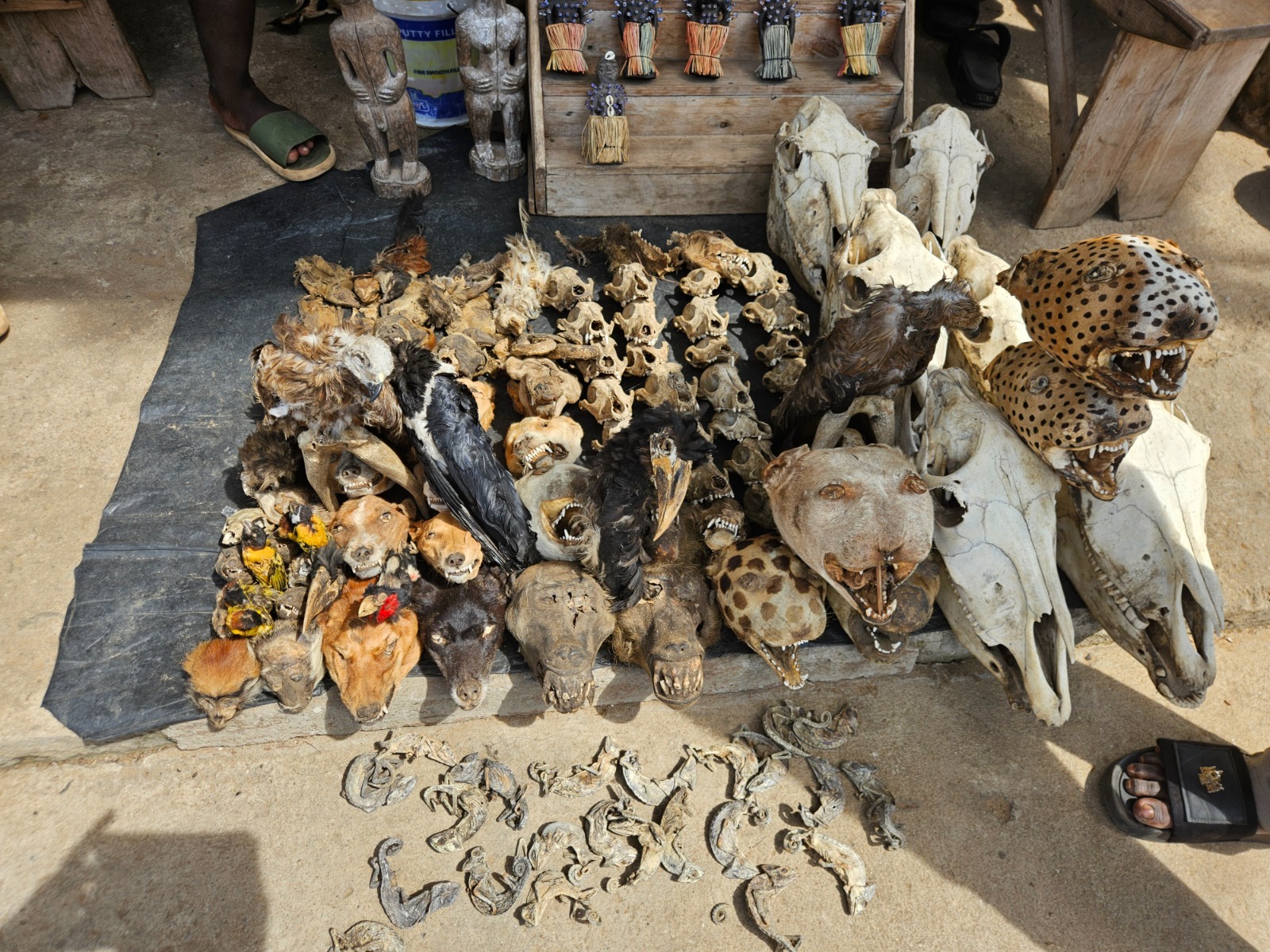
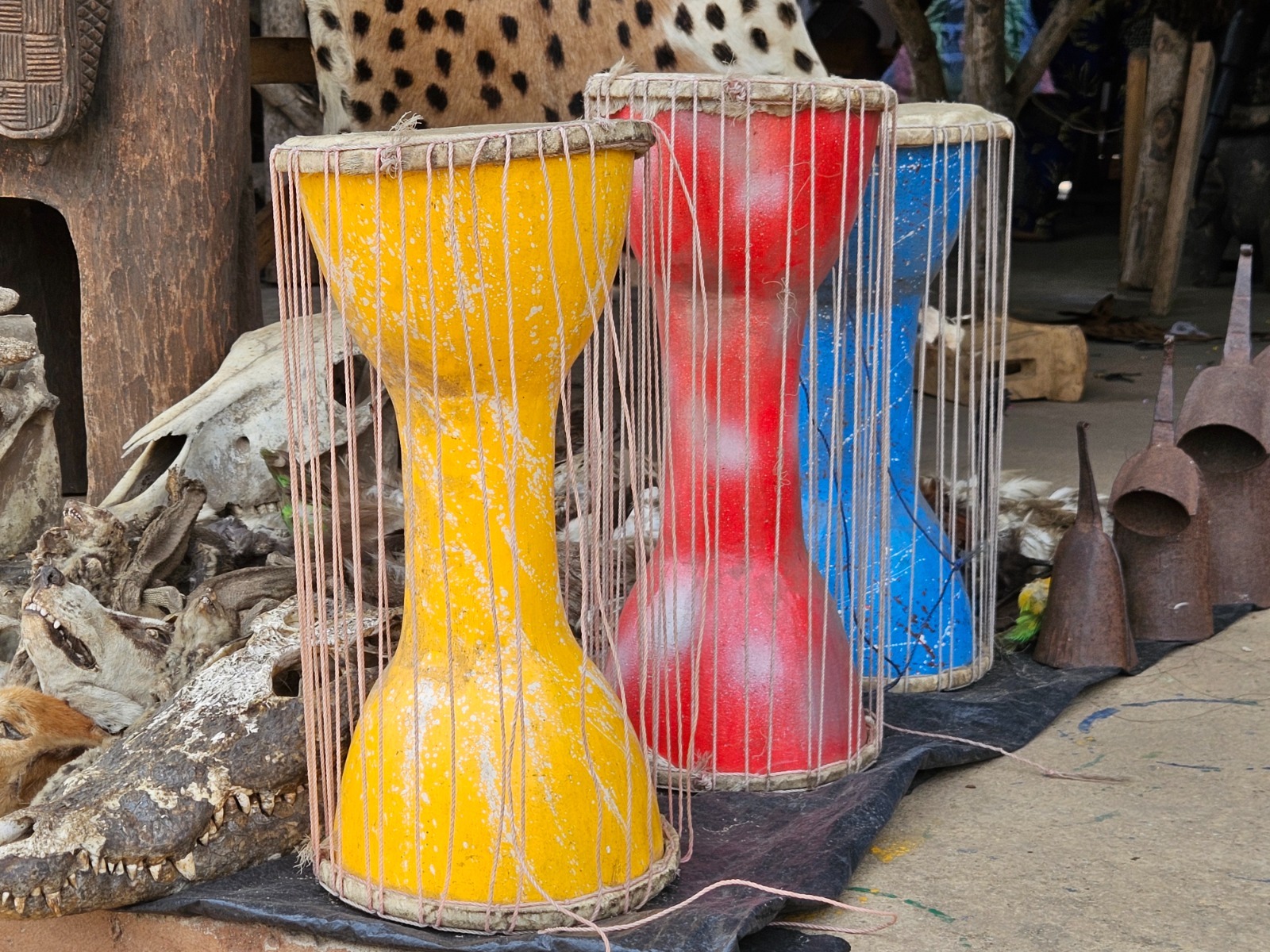
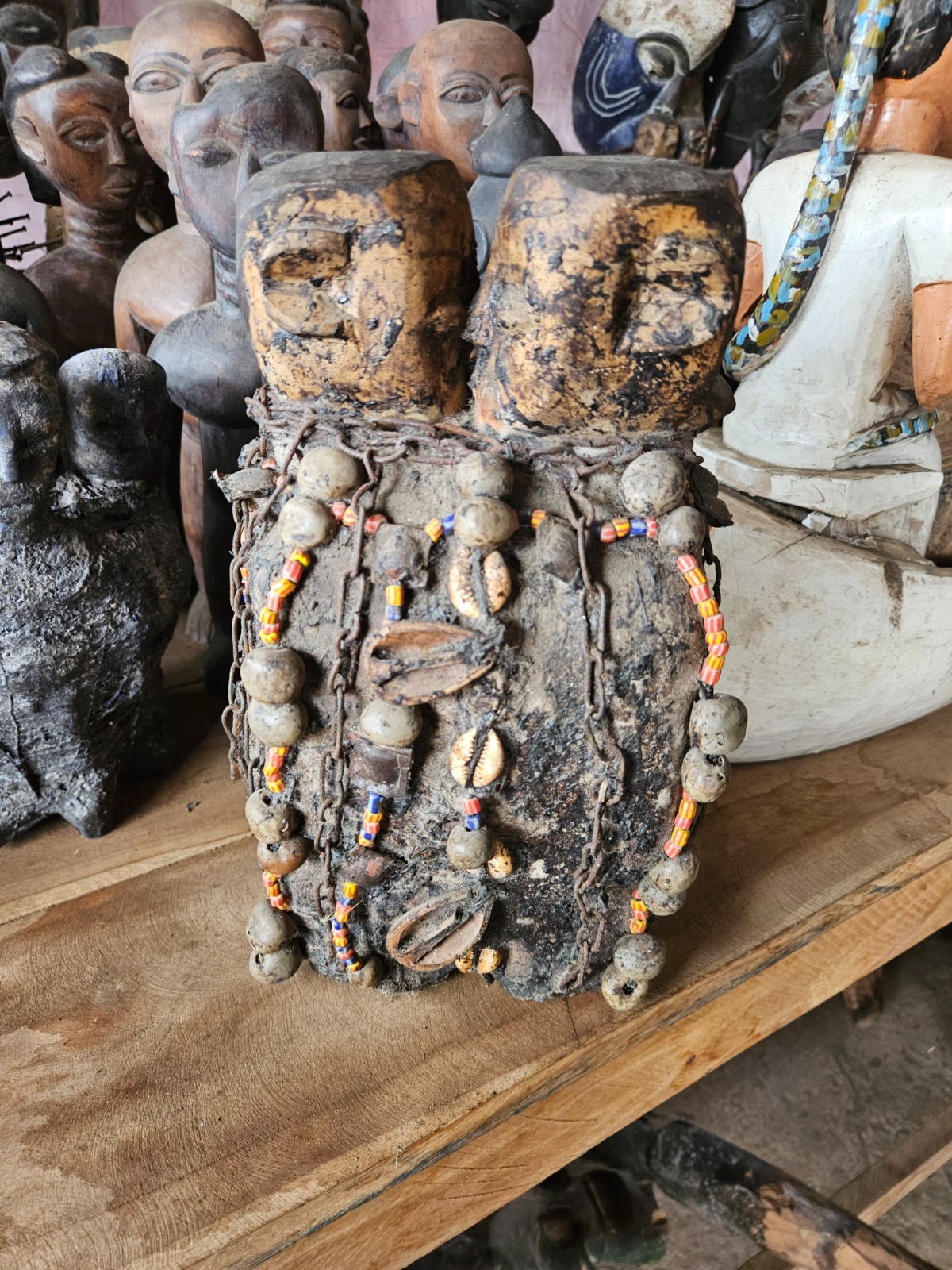
Akodessawa Fetish Market
Aného
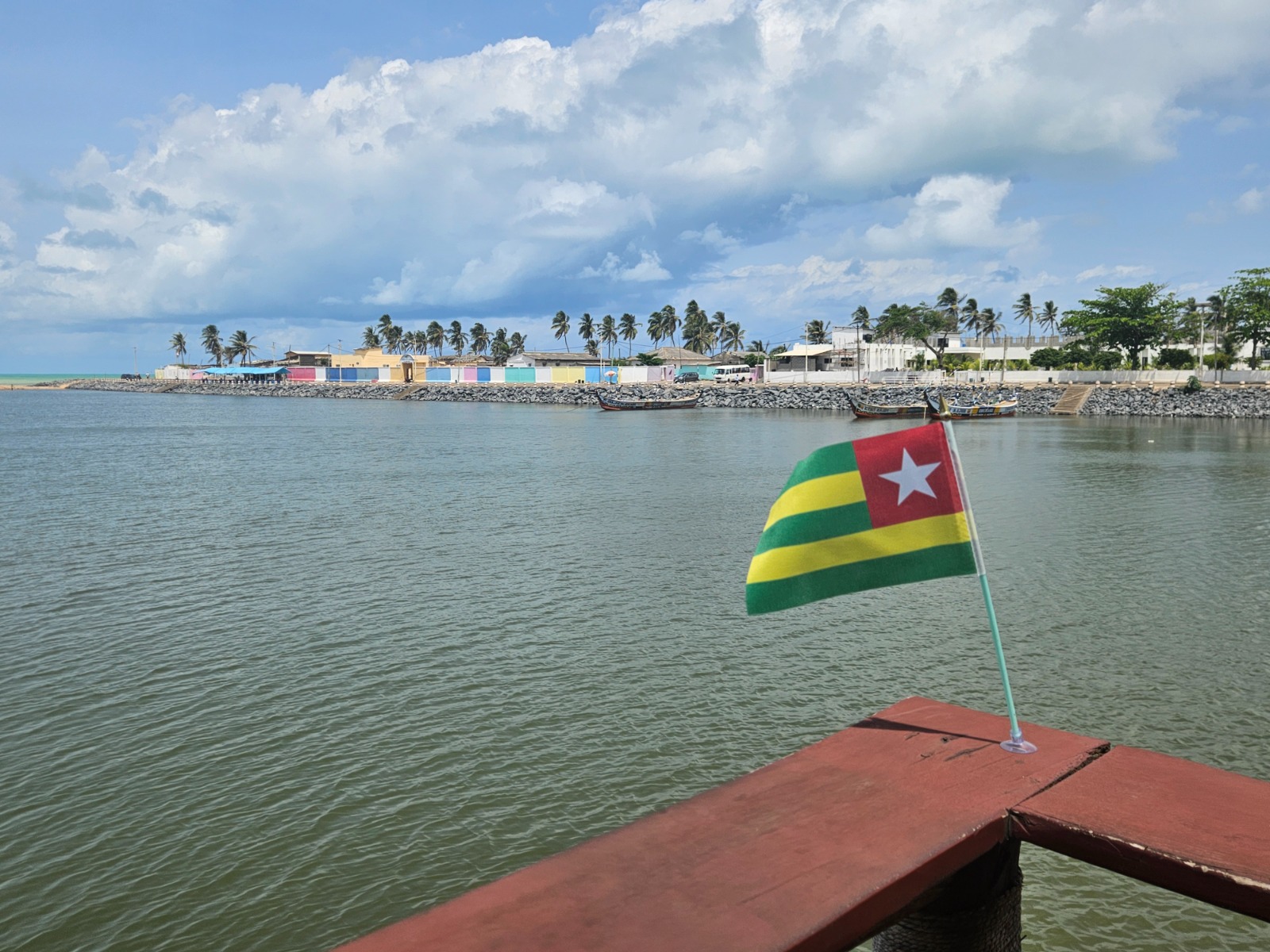
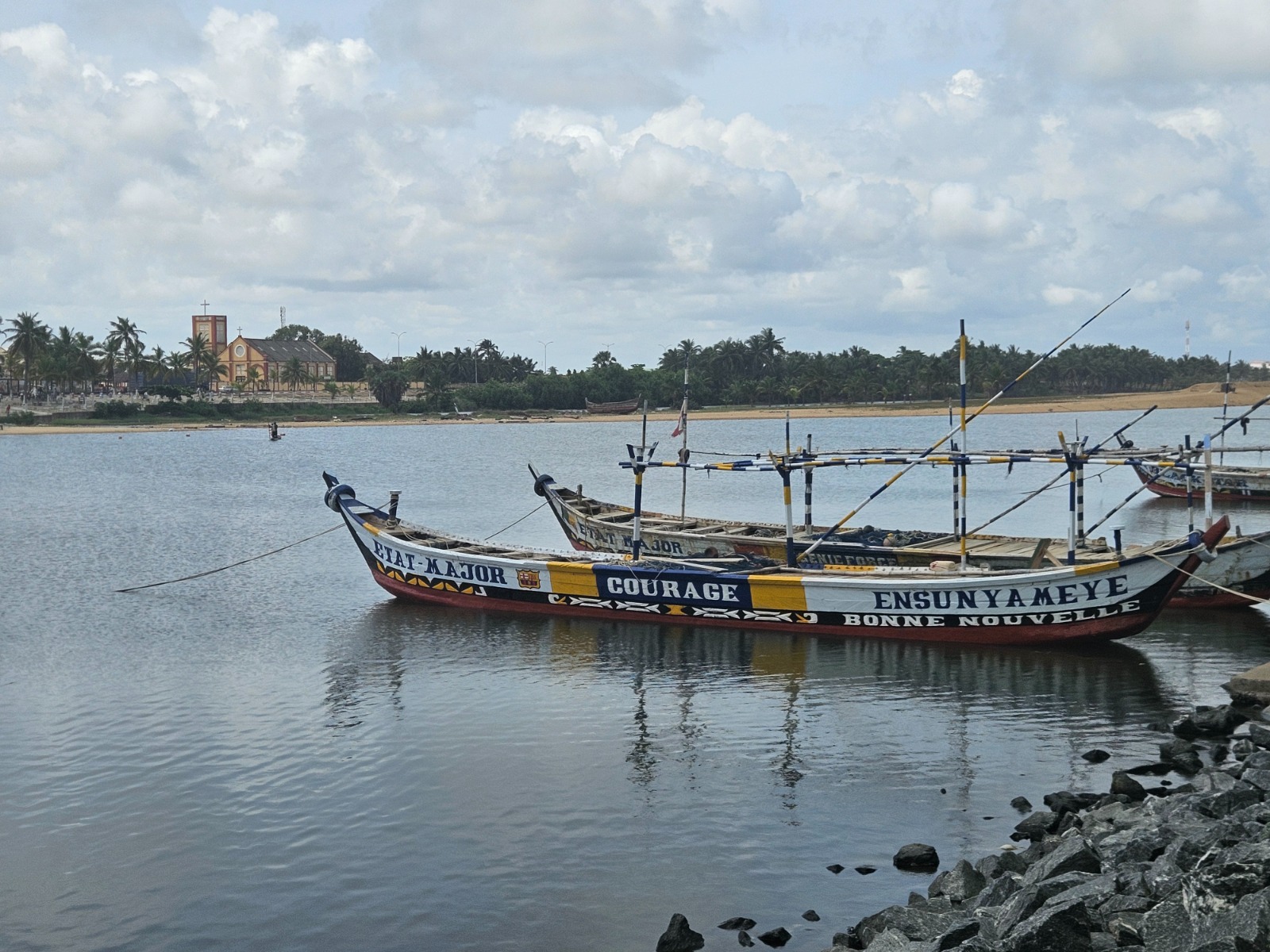
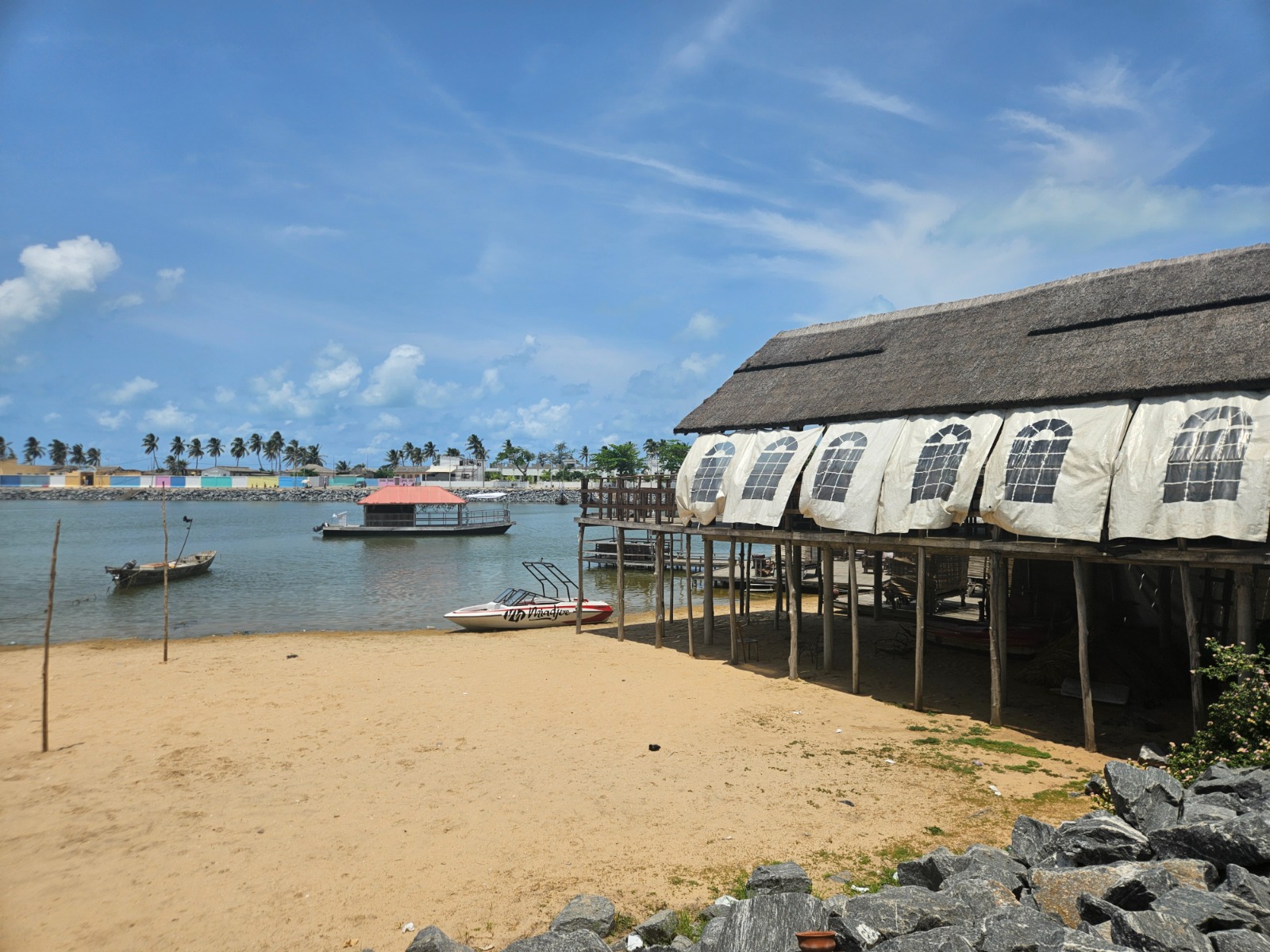
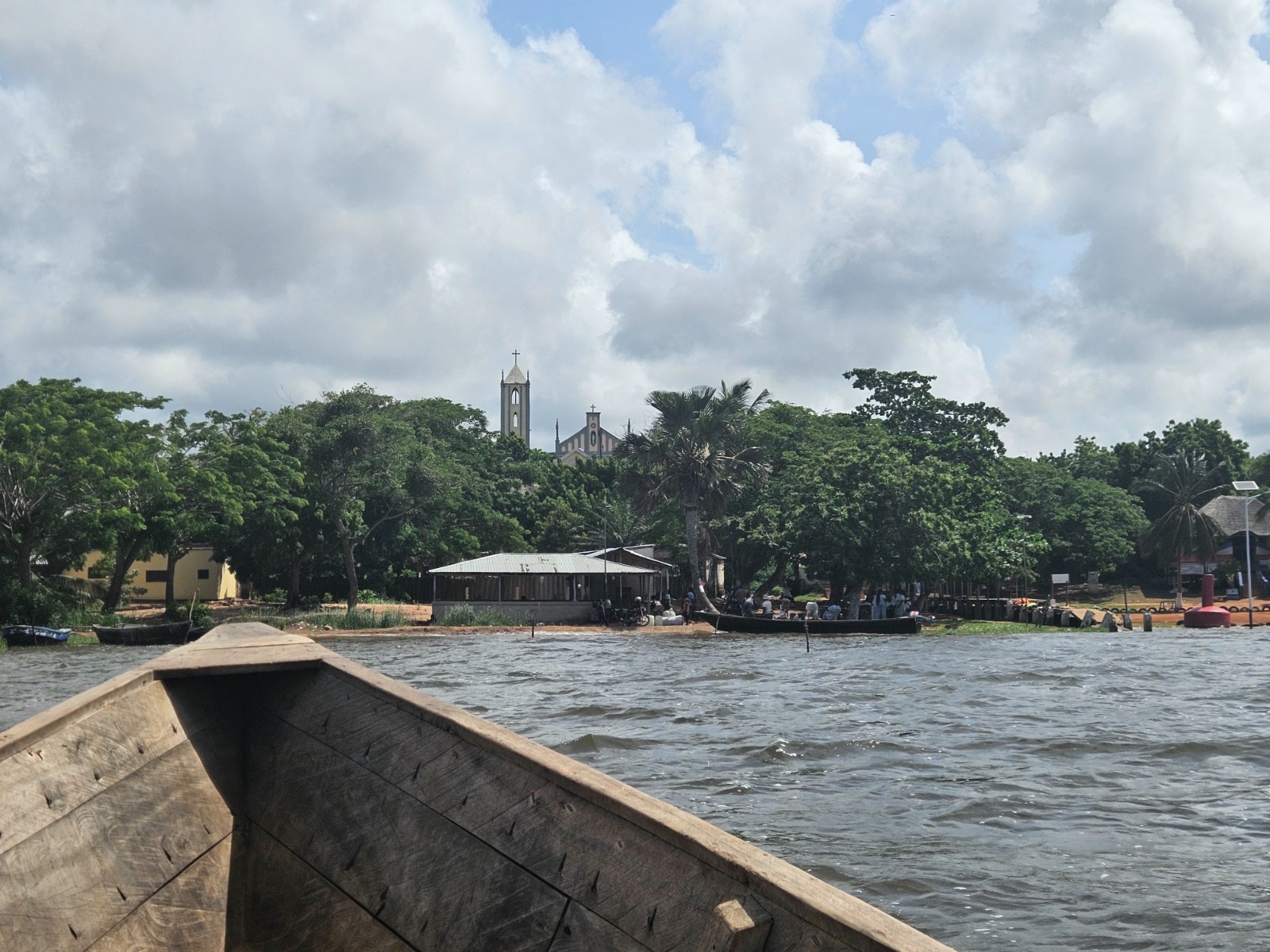
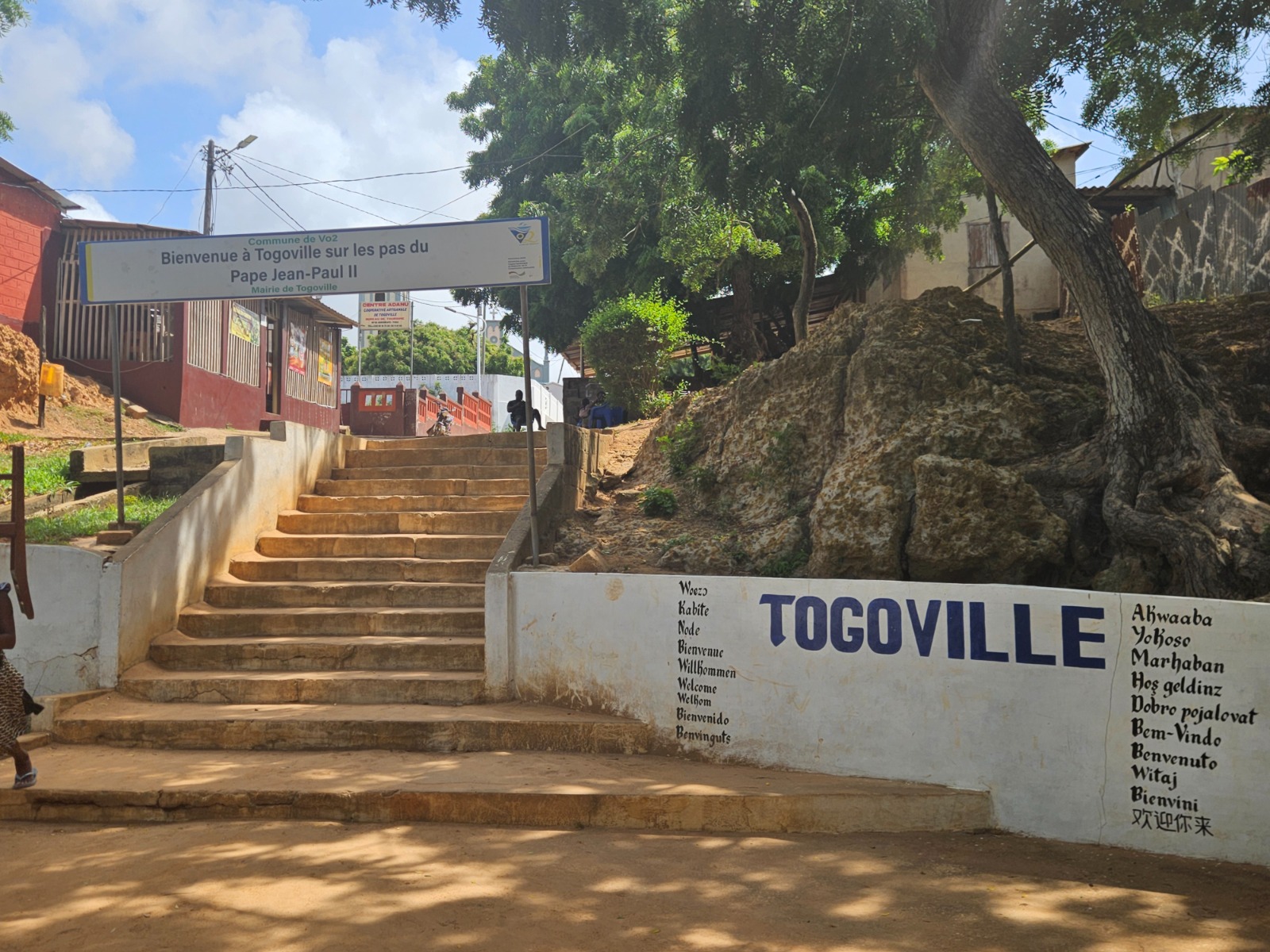
Togoville
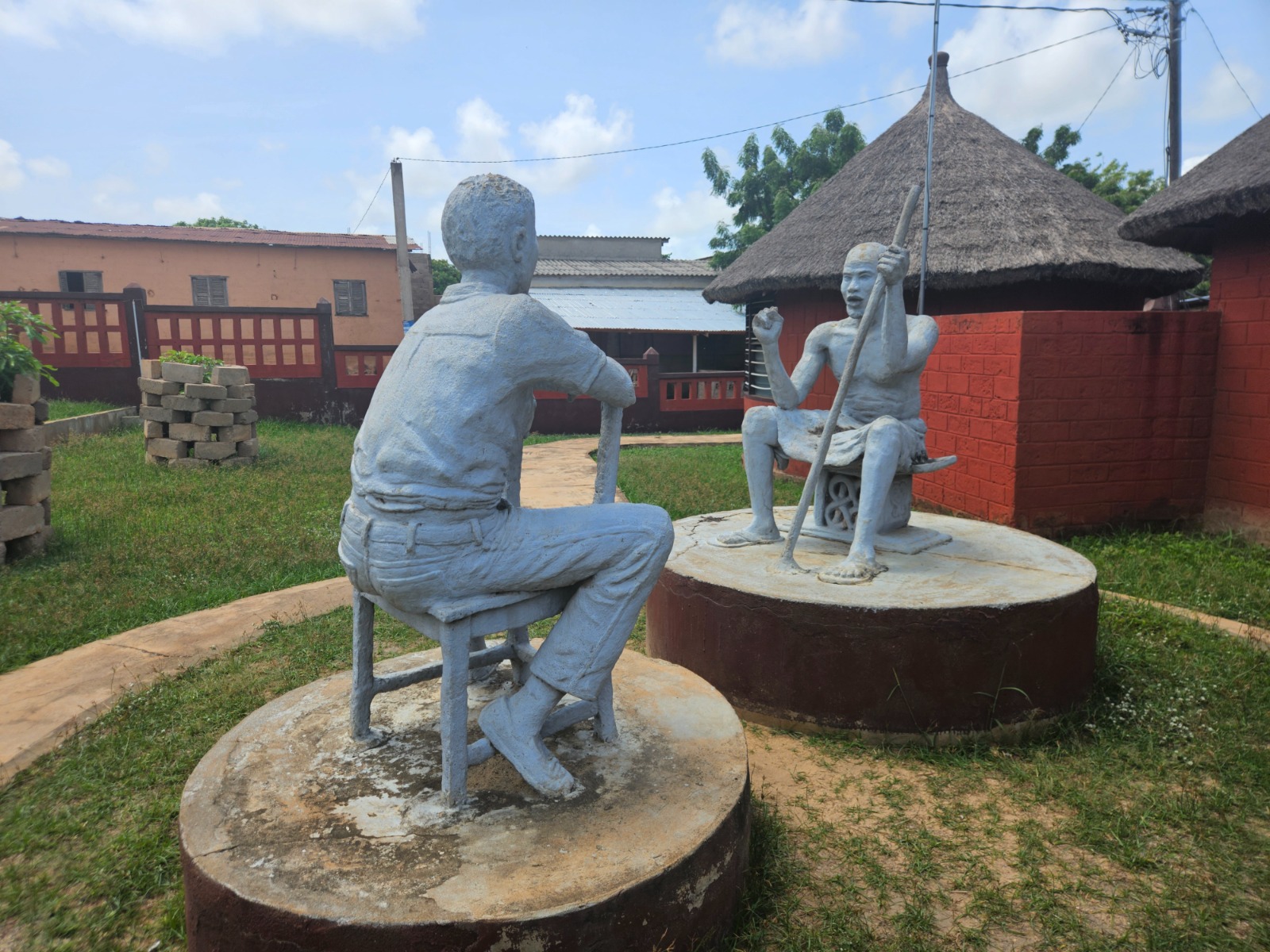
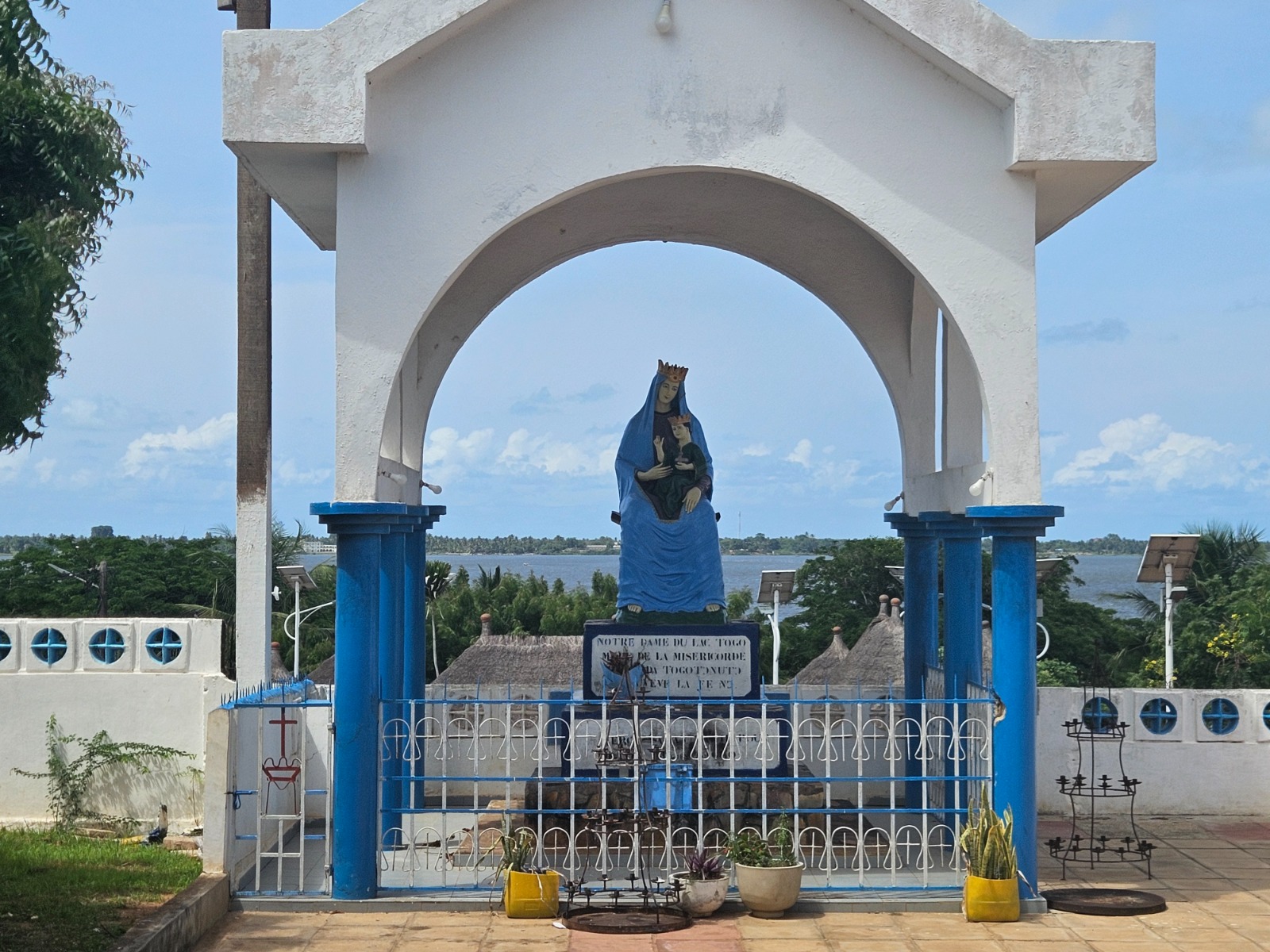
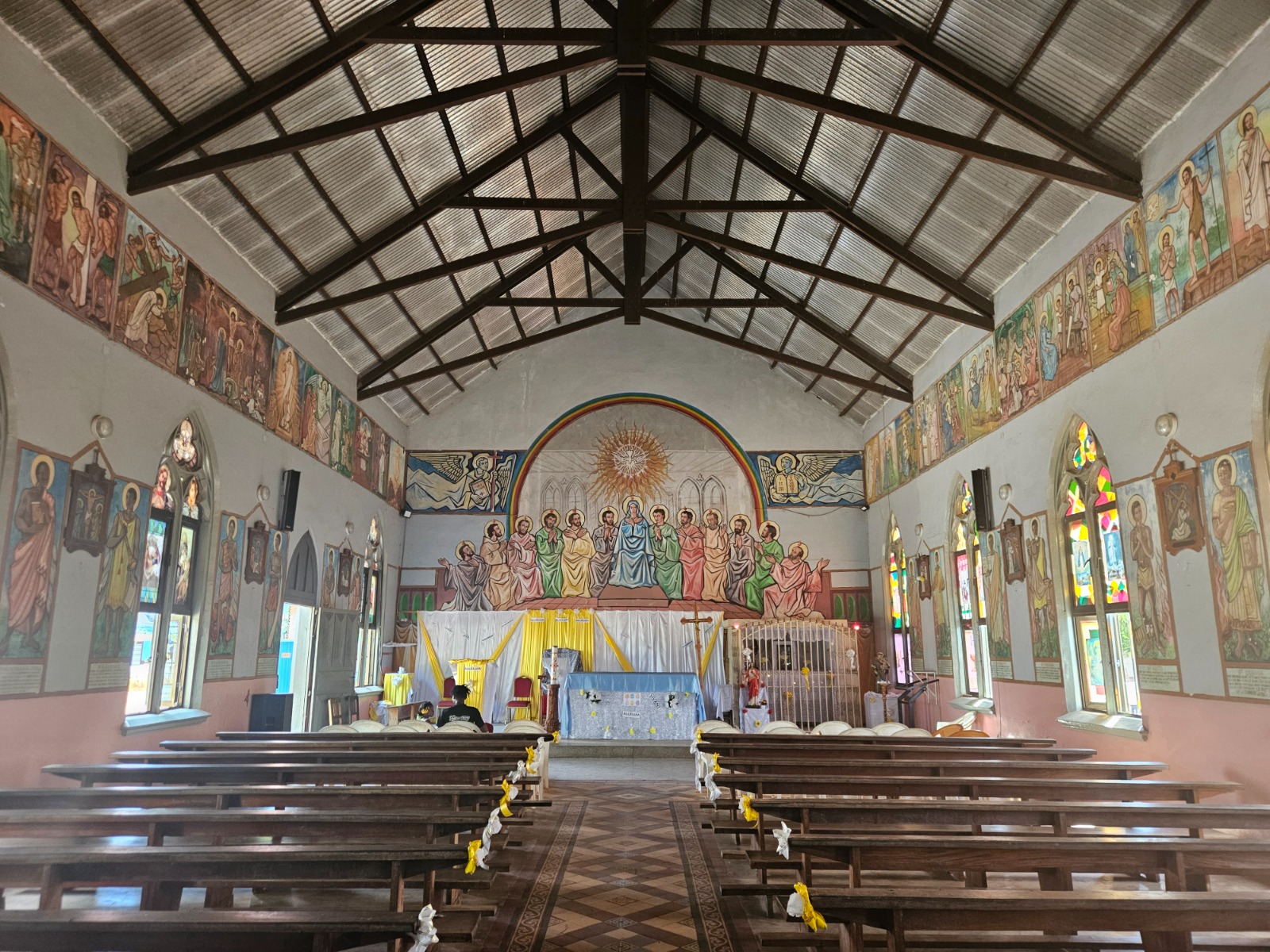
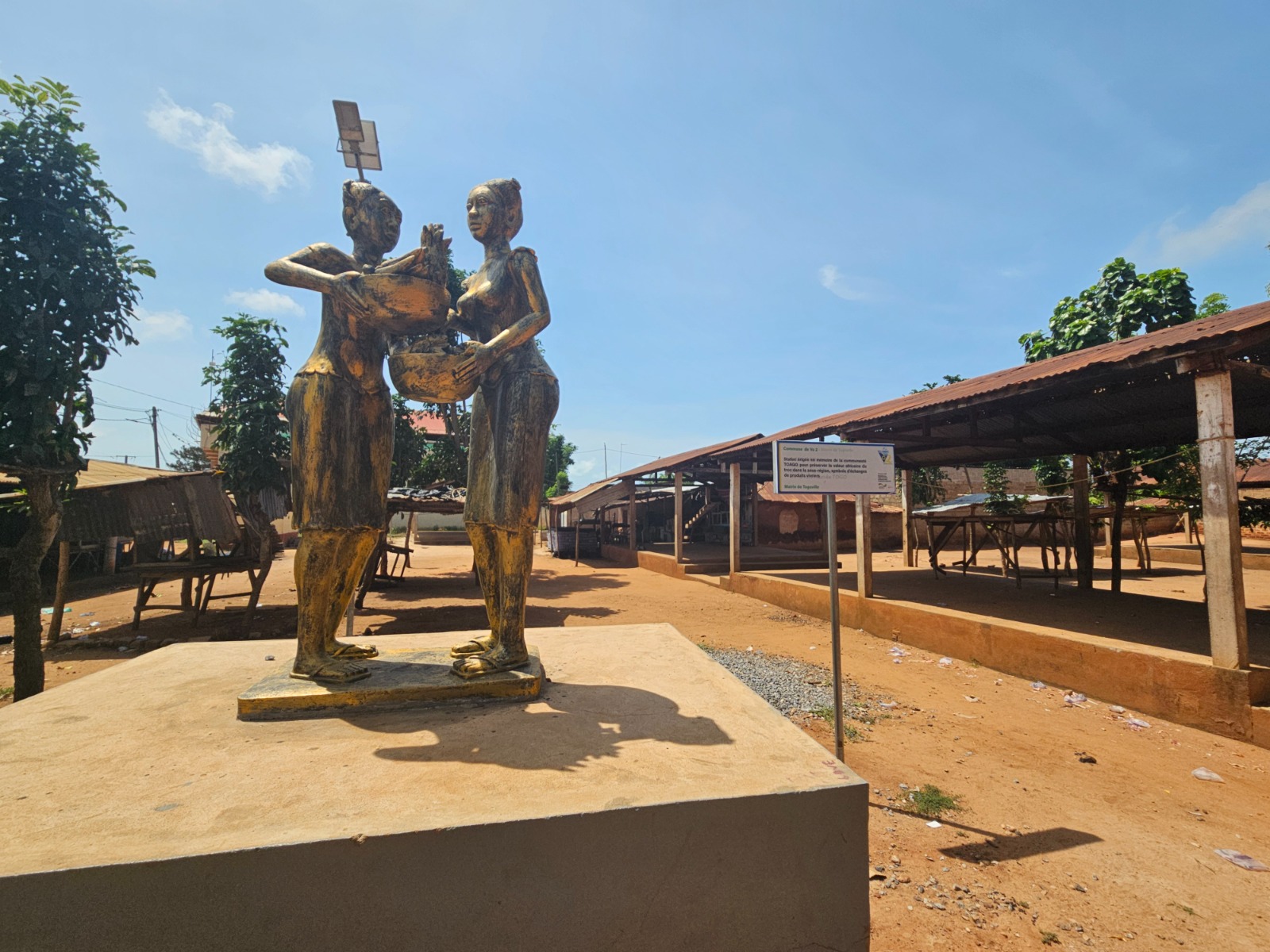
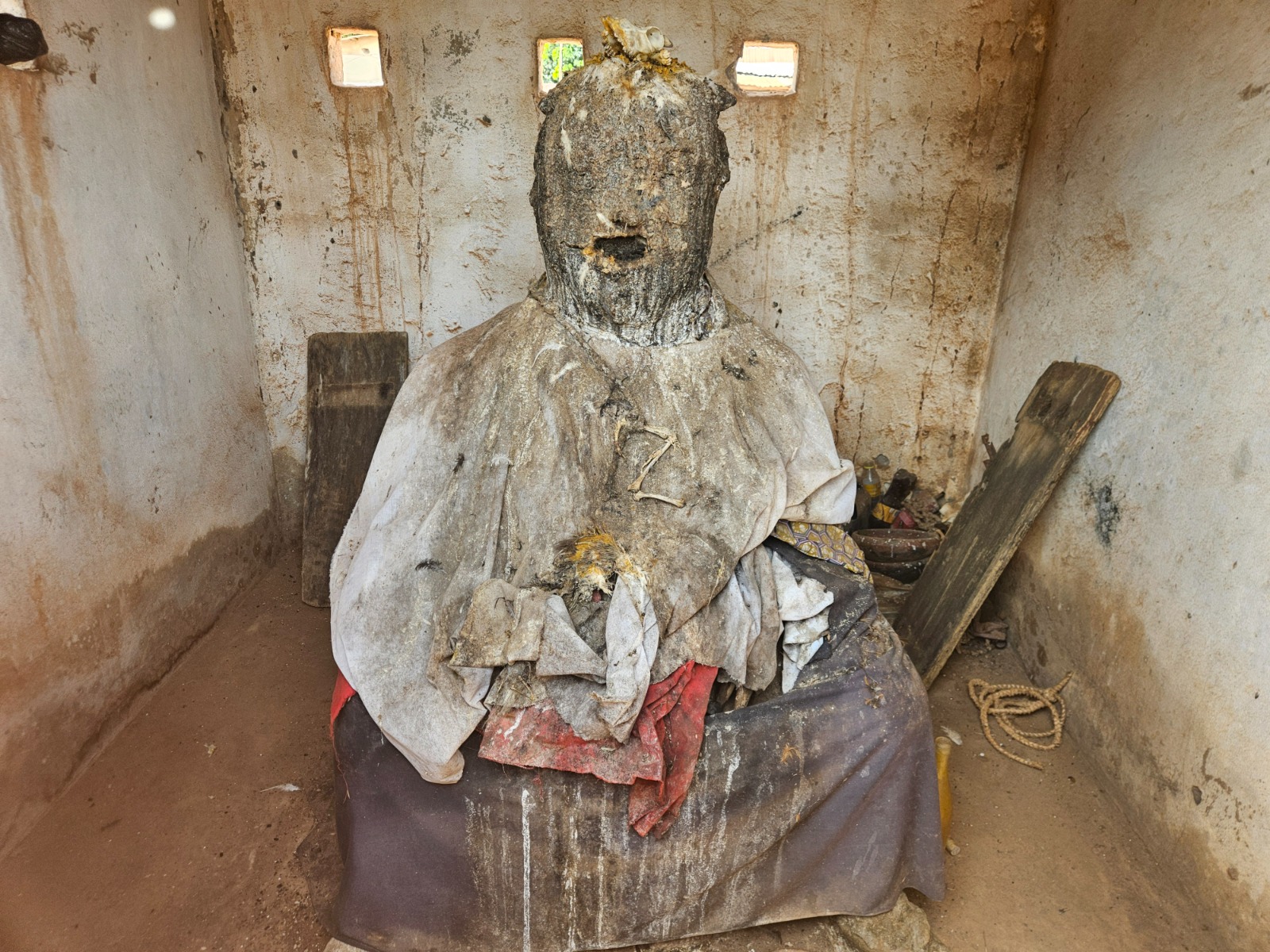
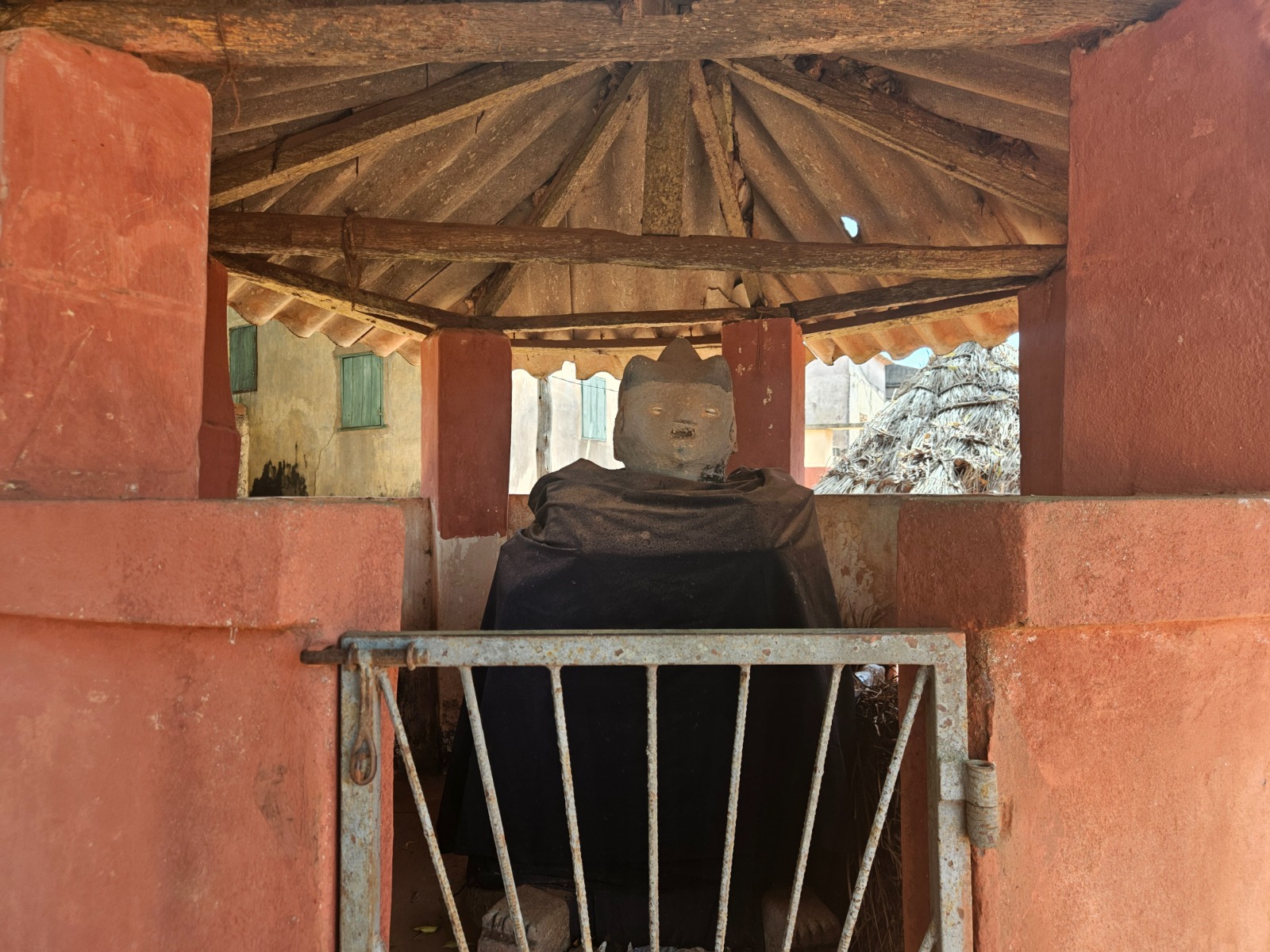
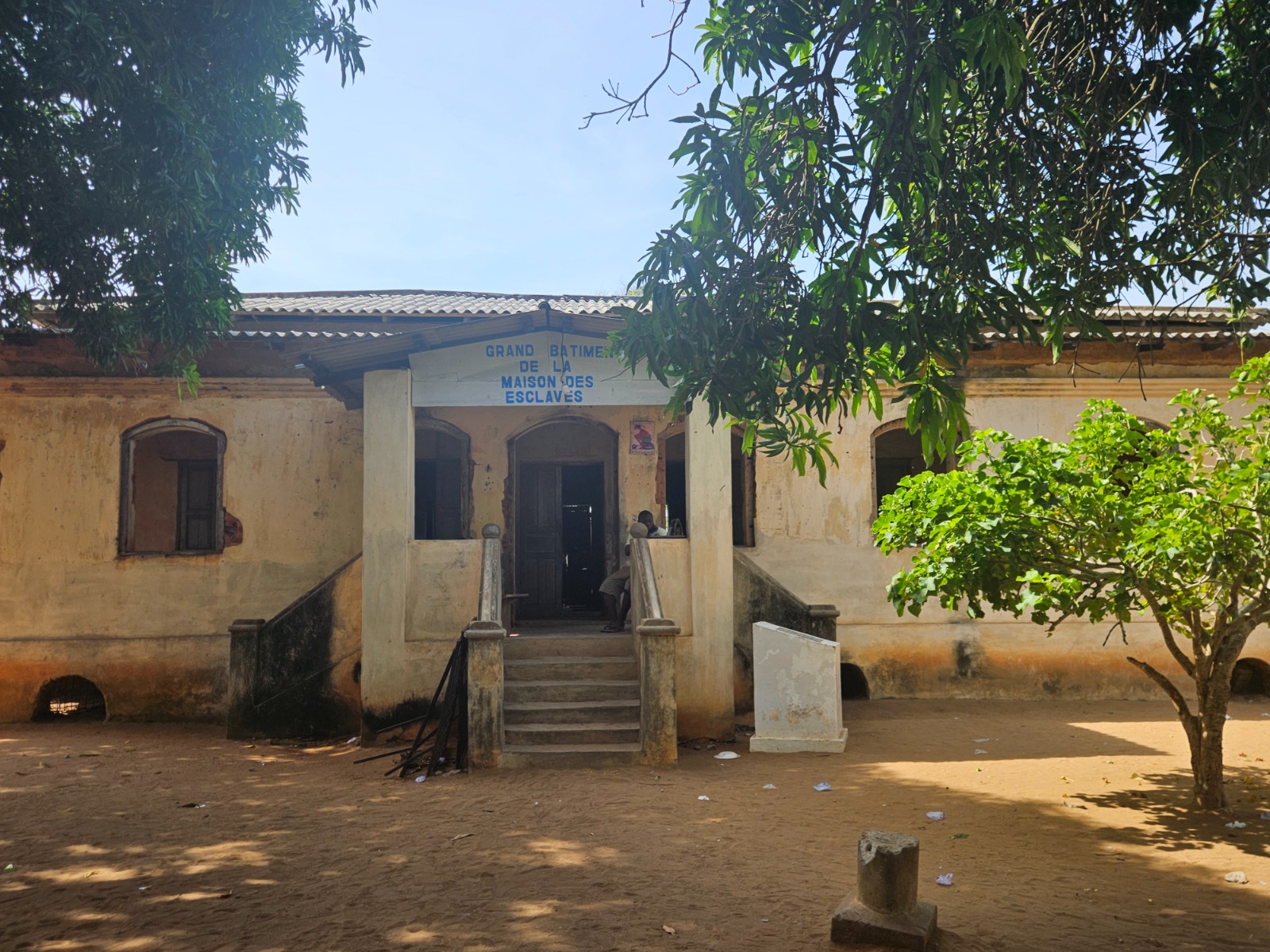
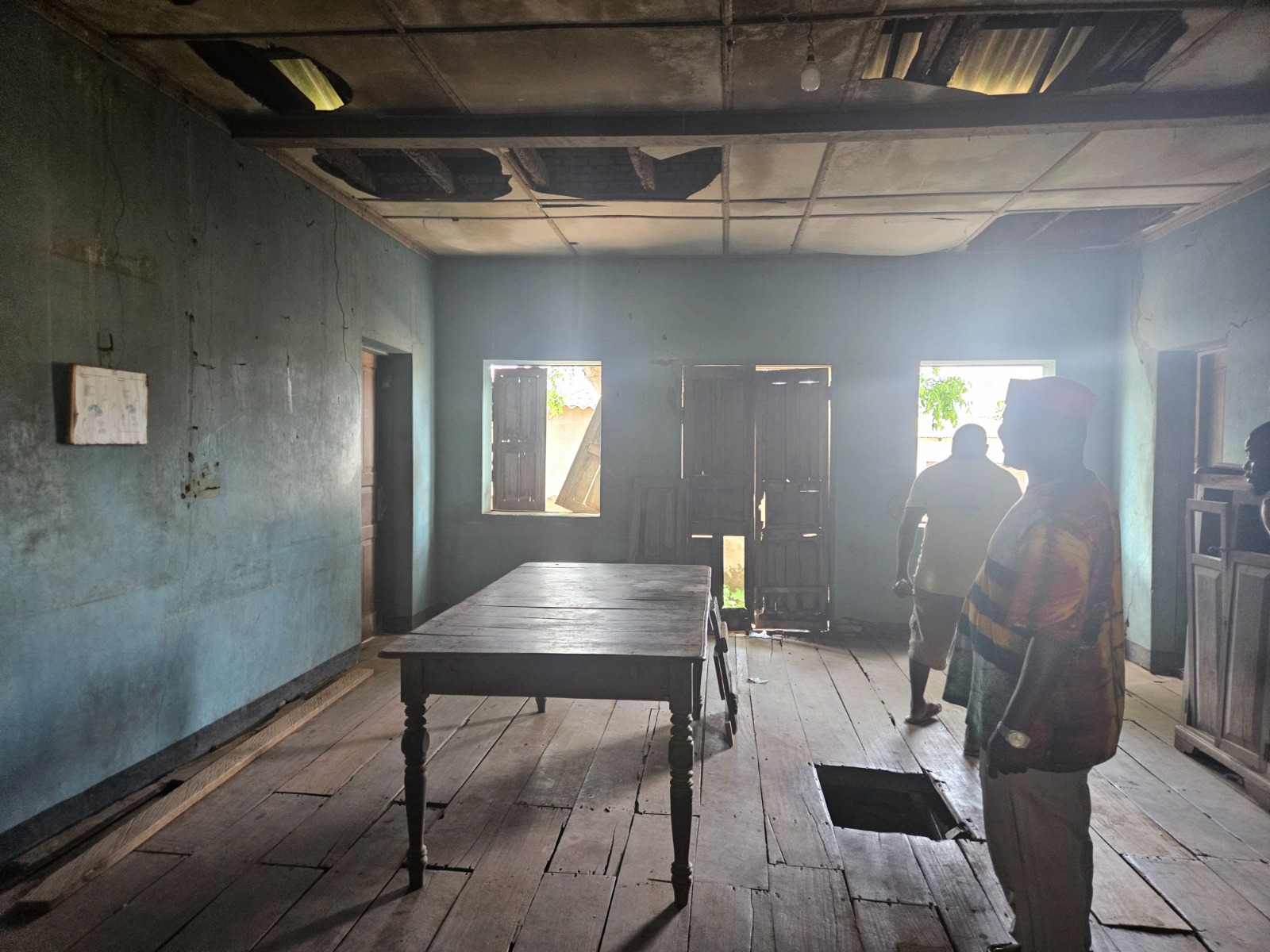
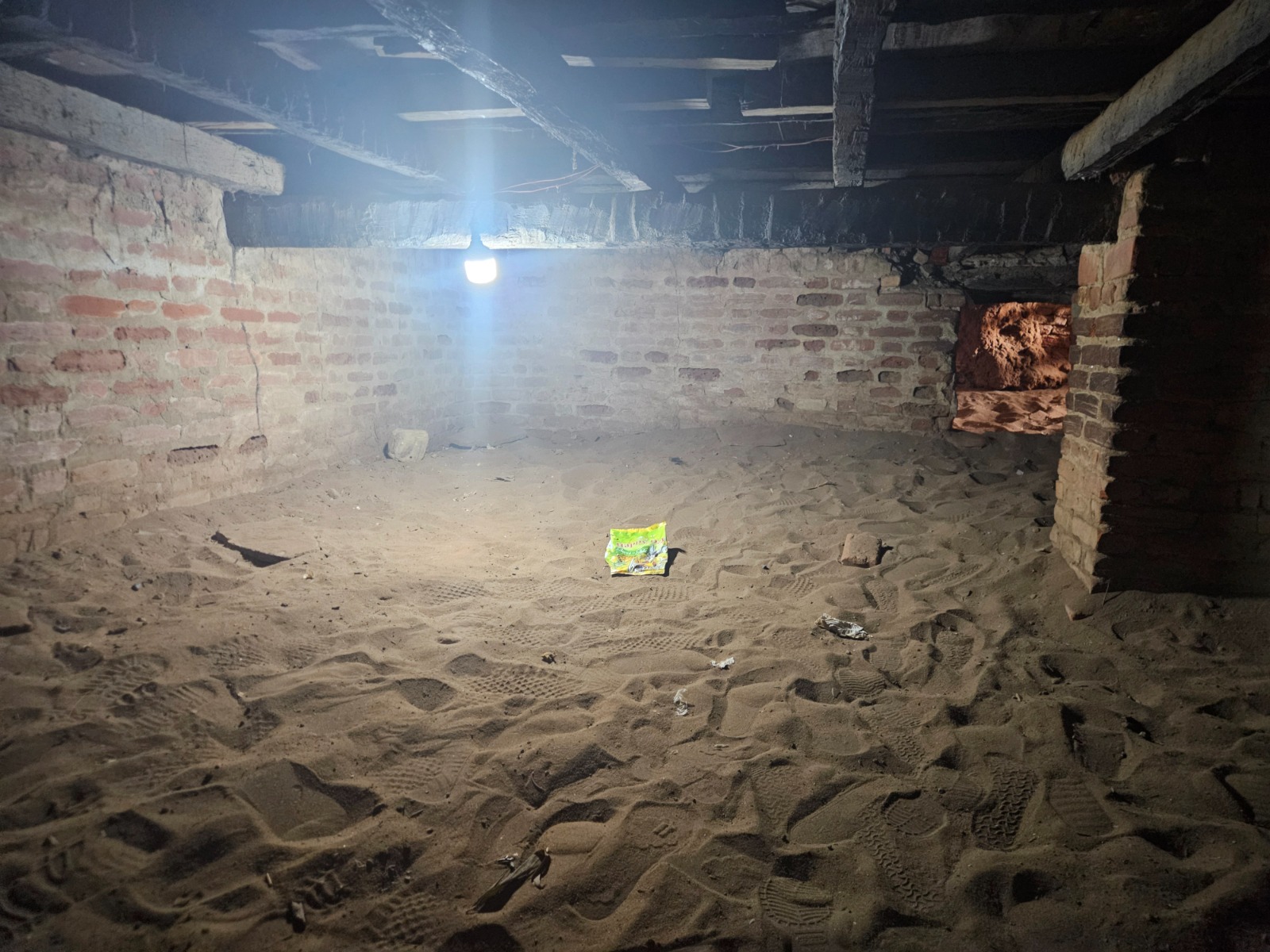
House of Slaves
Travel notes
Getting around & tours
Lomé is easy to move around. Gozem works well as the local Uber alternative, and there are many mototaxis across the city. If you stay in the city centre, you can walk to most places quite easily. You can also travel around Lomé and even across Togo independently without much difficulty. I used Mowokitours and had a great experience with Jérémie, who was knowledgeable and made the trip very smooth.
Food
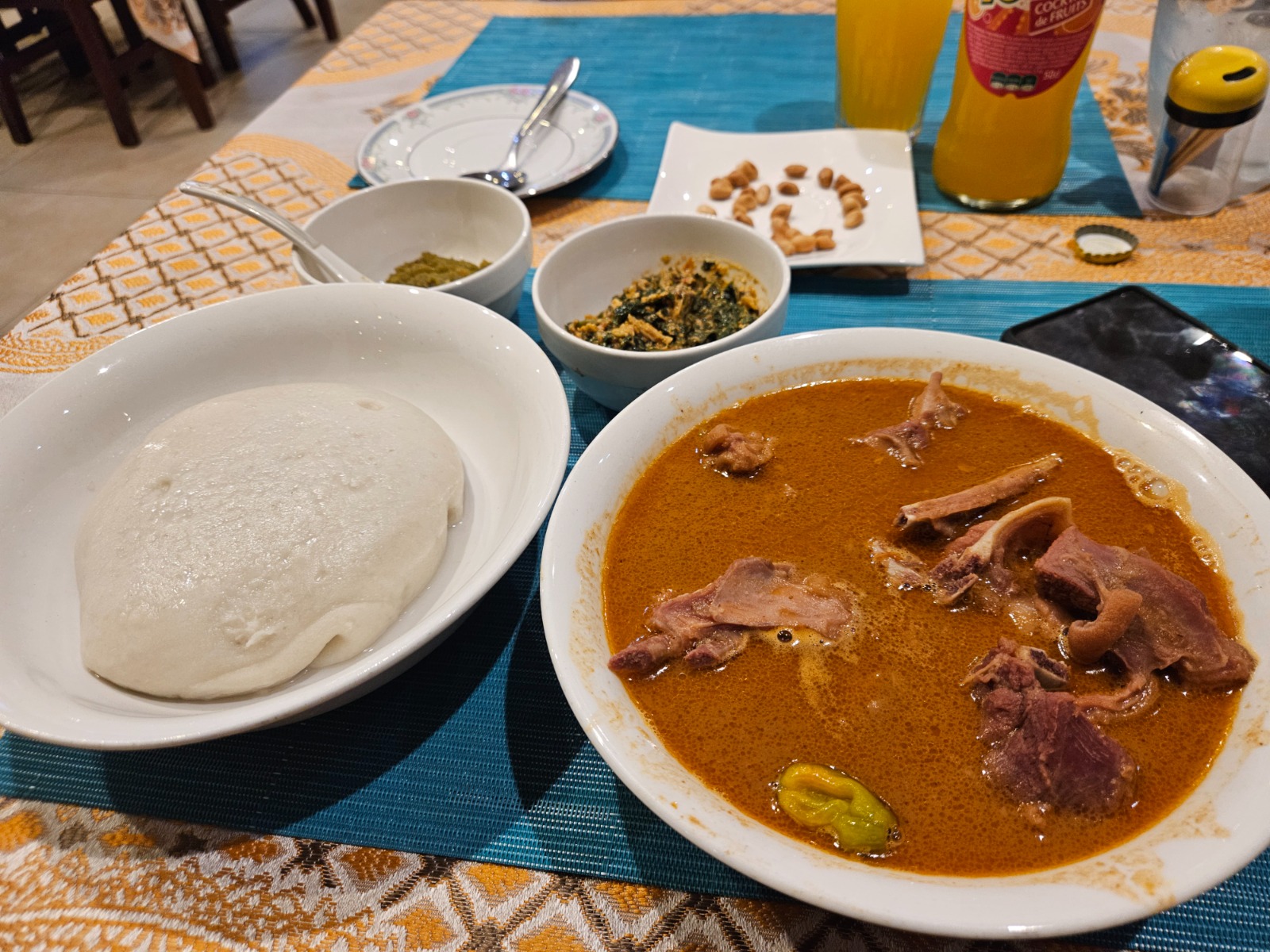
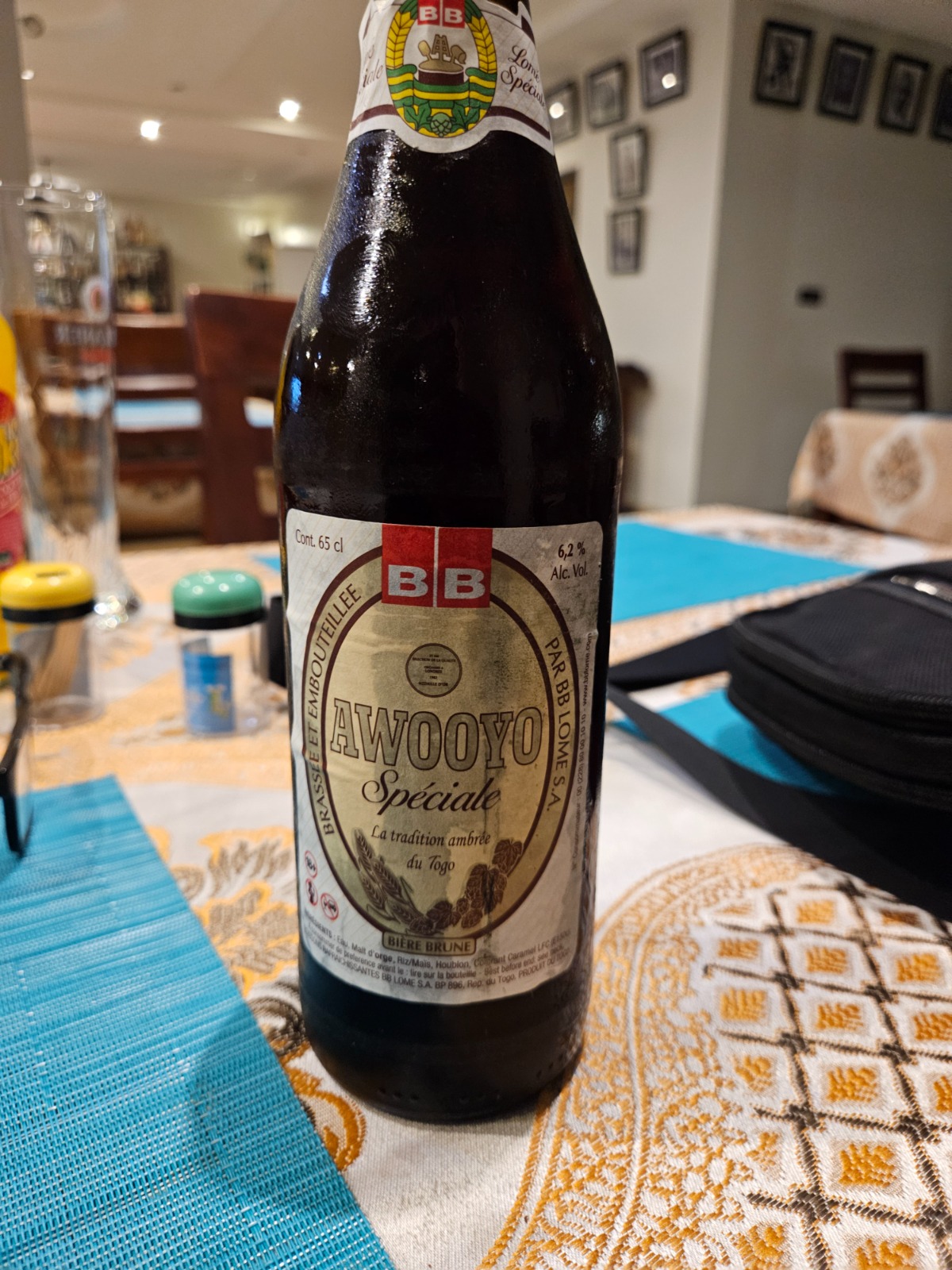
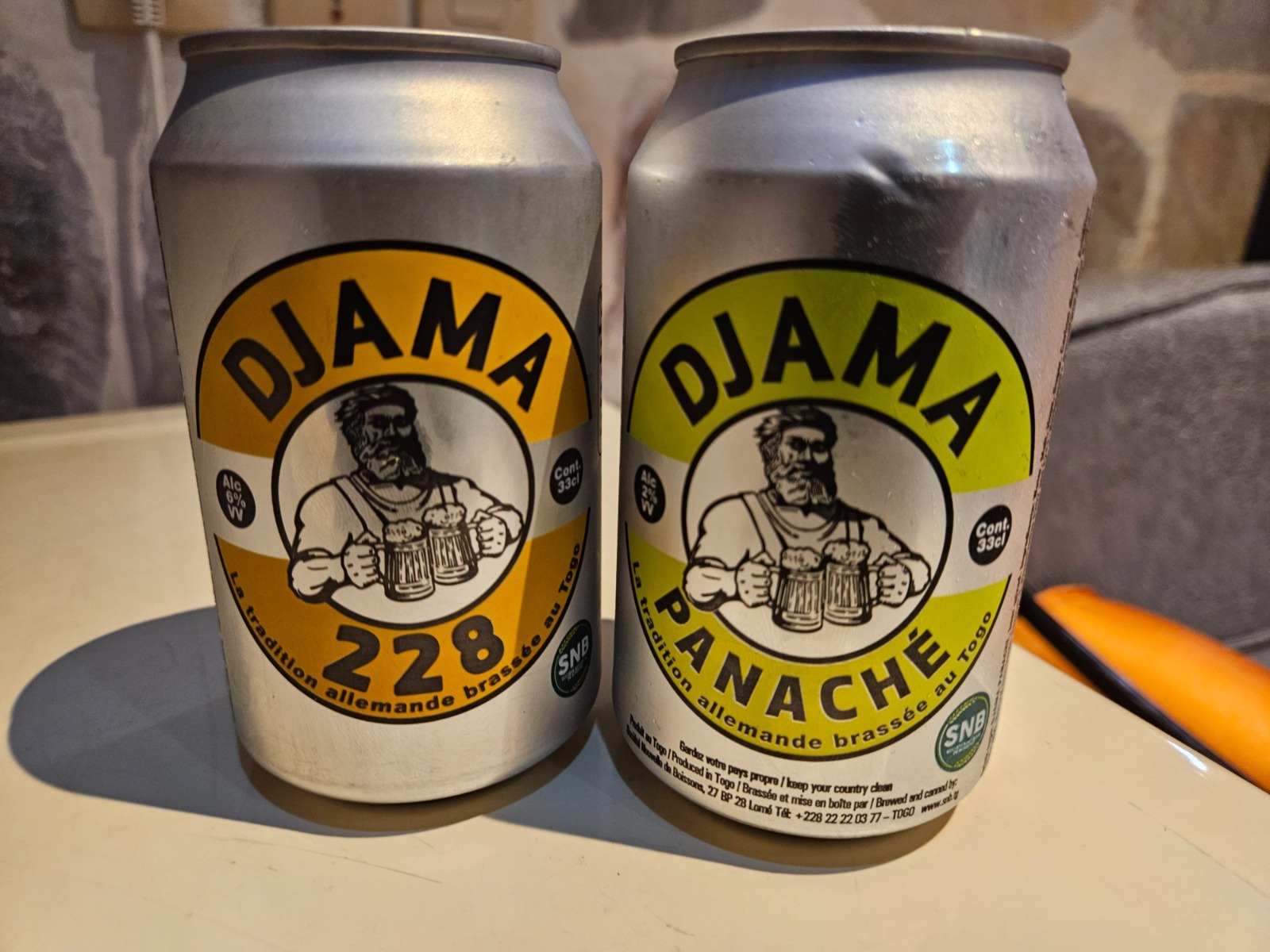
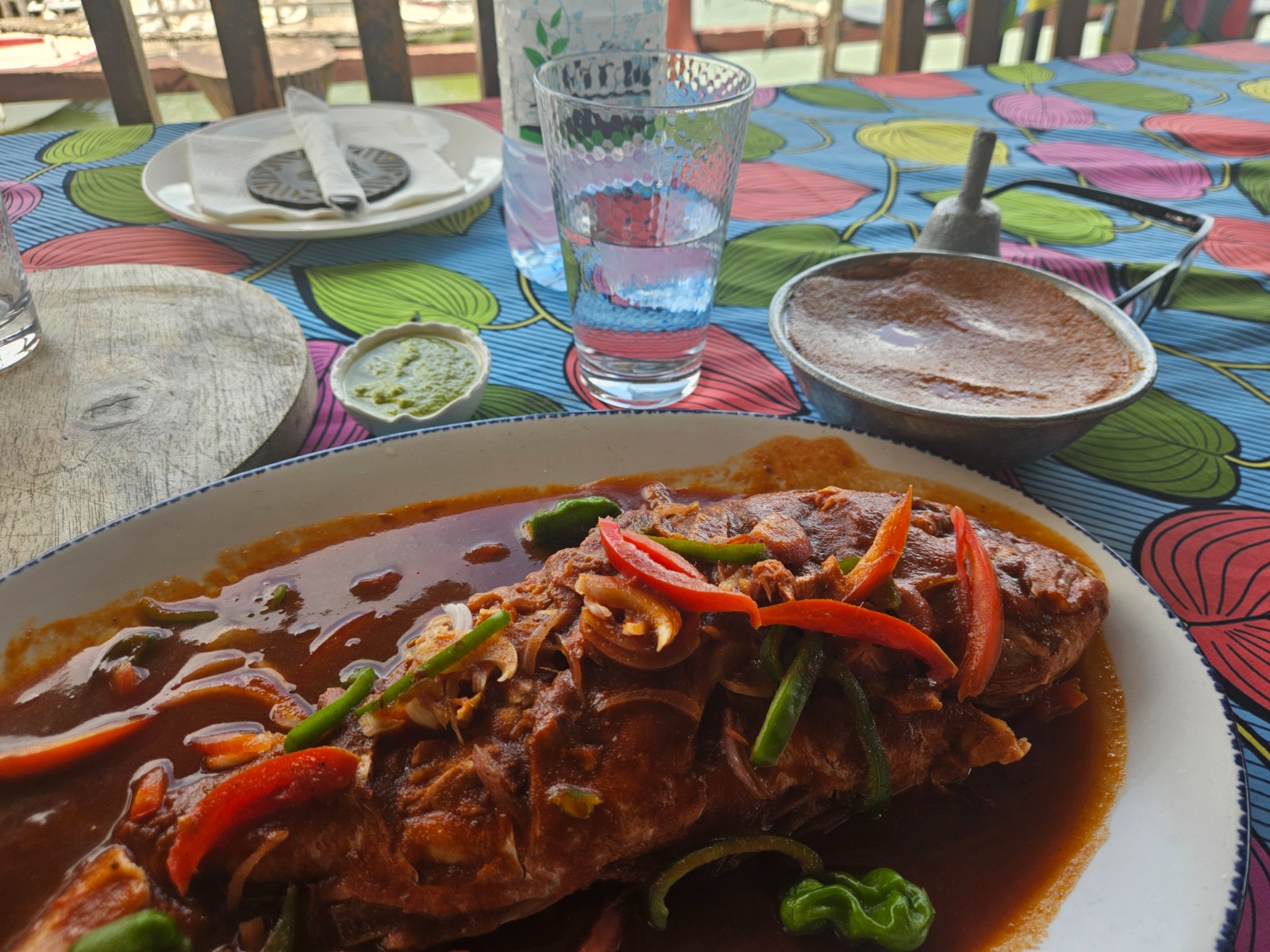
Nopégali Boulevard is a fantastic place to try local food. Meals are usually around 5,000 CFA, service is quick and efficient, and there is both a standard eating area downstairs and a more organised VIP section upstairs with air conditioning, the food itself is the same but you may pay an extra 1,000 CFA for the experience.
Akodessawa Fetish Market
The market is not only about objects; the main experience is the consultation with Vodún priests and understanding the role of shrines, offerings, and spiritual practice. Entry is around 5,000 CFA (3,000 CFA entrance and 2,000 CFA for pictures).
House of Slaves
If you do not speak French, the visit is worth doing with a guide or translator. The story is painful and important as its a good place to visit and learn more about slavery in Togo. But the site could be better organised and would benefit from some renovation. I hope that funds can be raised to preserve this place.