A city of influences
Maputo feels shaped by the Indian Ocean, Portugal, South Africa, and Mozambique’s own local cultures, which gives the capital a distinct atmosphere.
Maputo feels shaped by the Indian Ocean, Portugal, South Africa, and Mozambique’s own local cultures, which gives the capital a distinct atmosphere.
You hear Changana a lot in Maputo, alongside Portuguese. It is closely related to Tsonga and is also spoken across the border in South Africa and Zimbabwe.
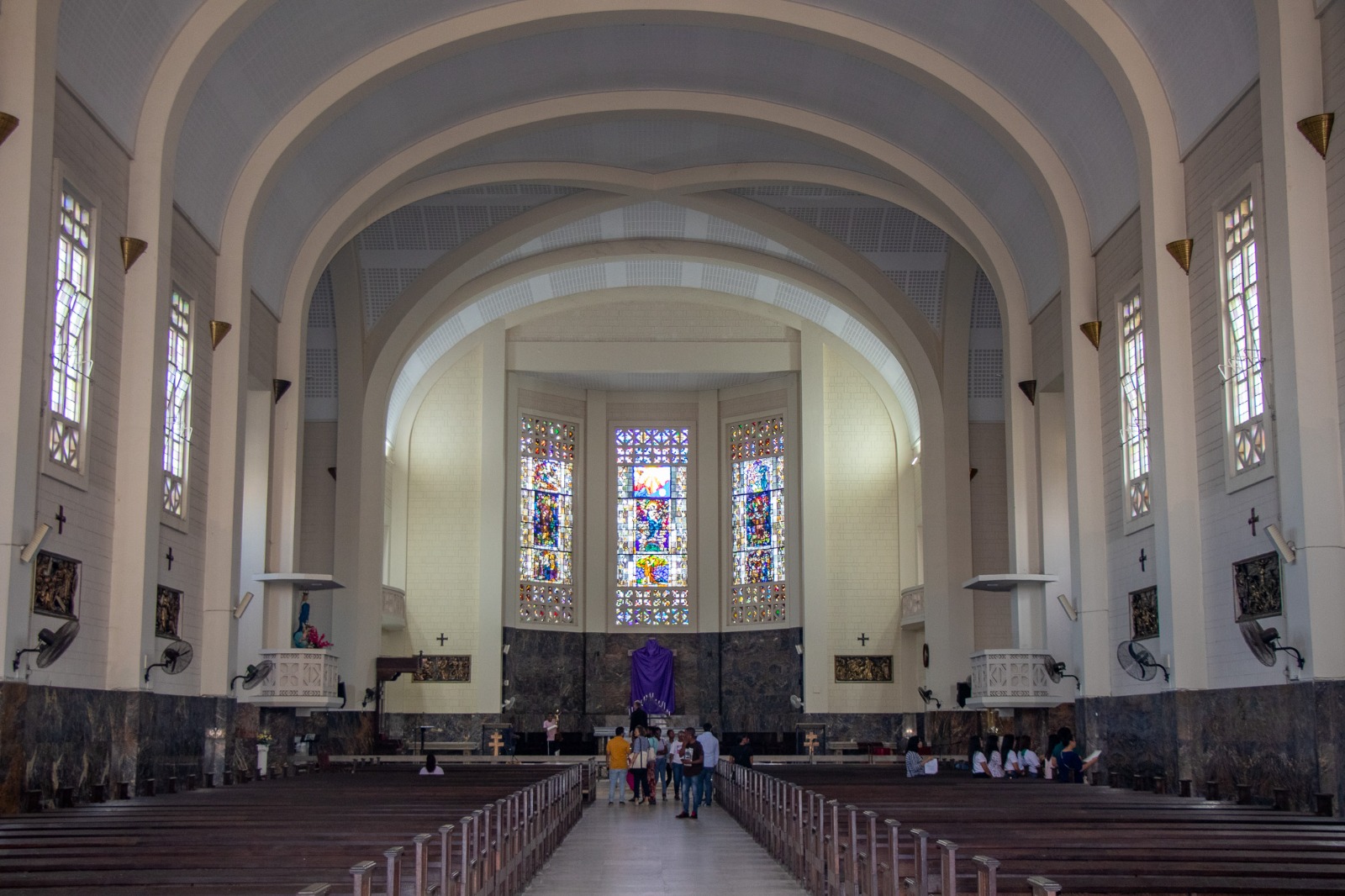
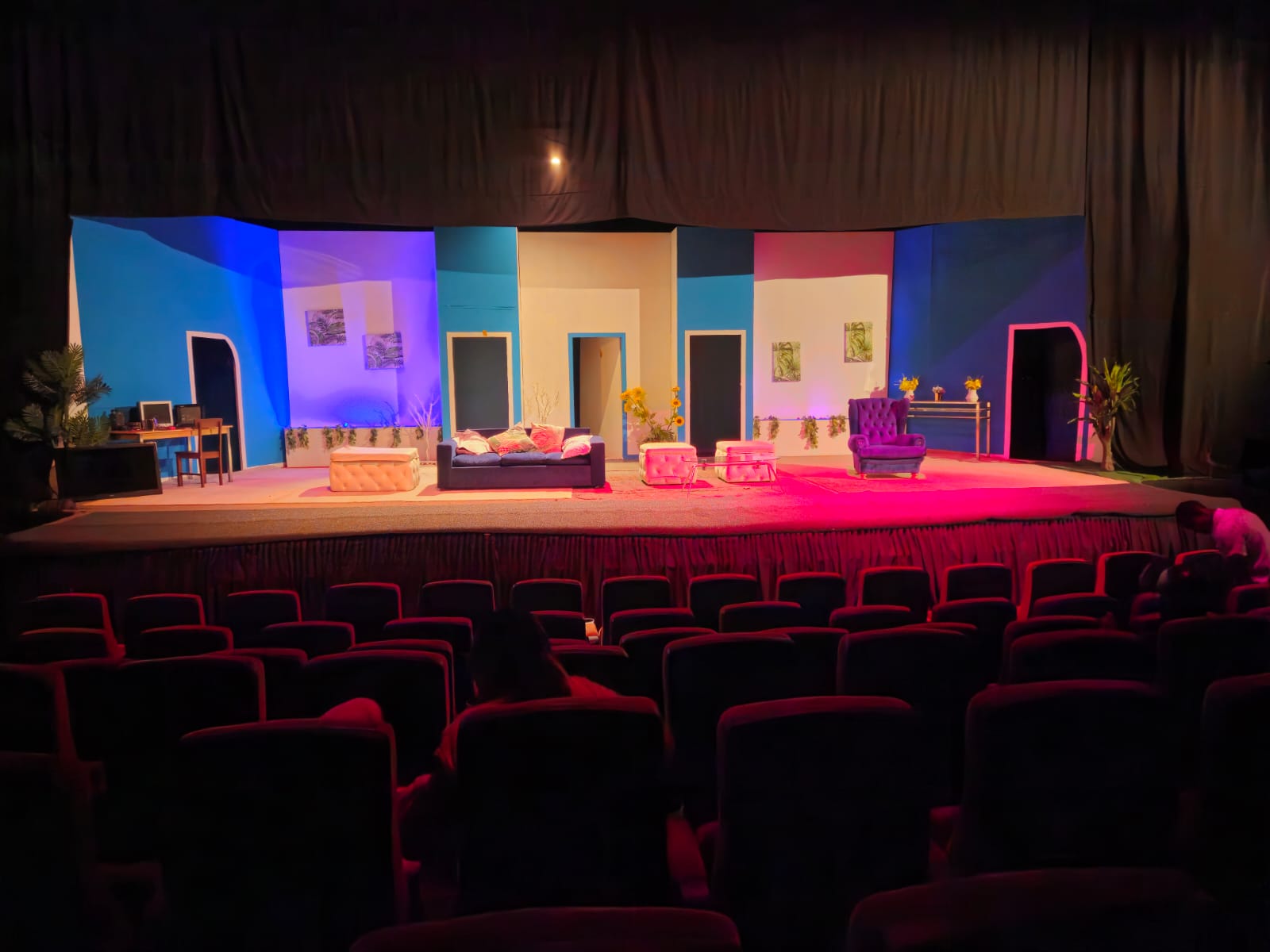
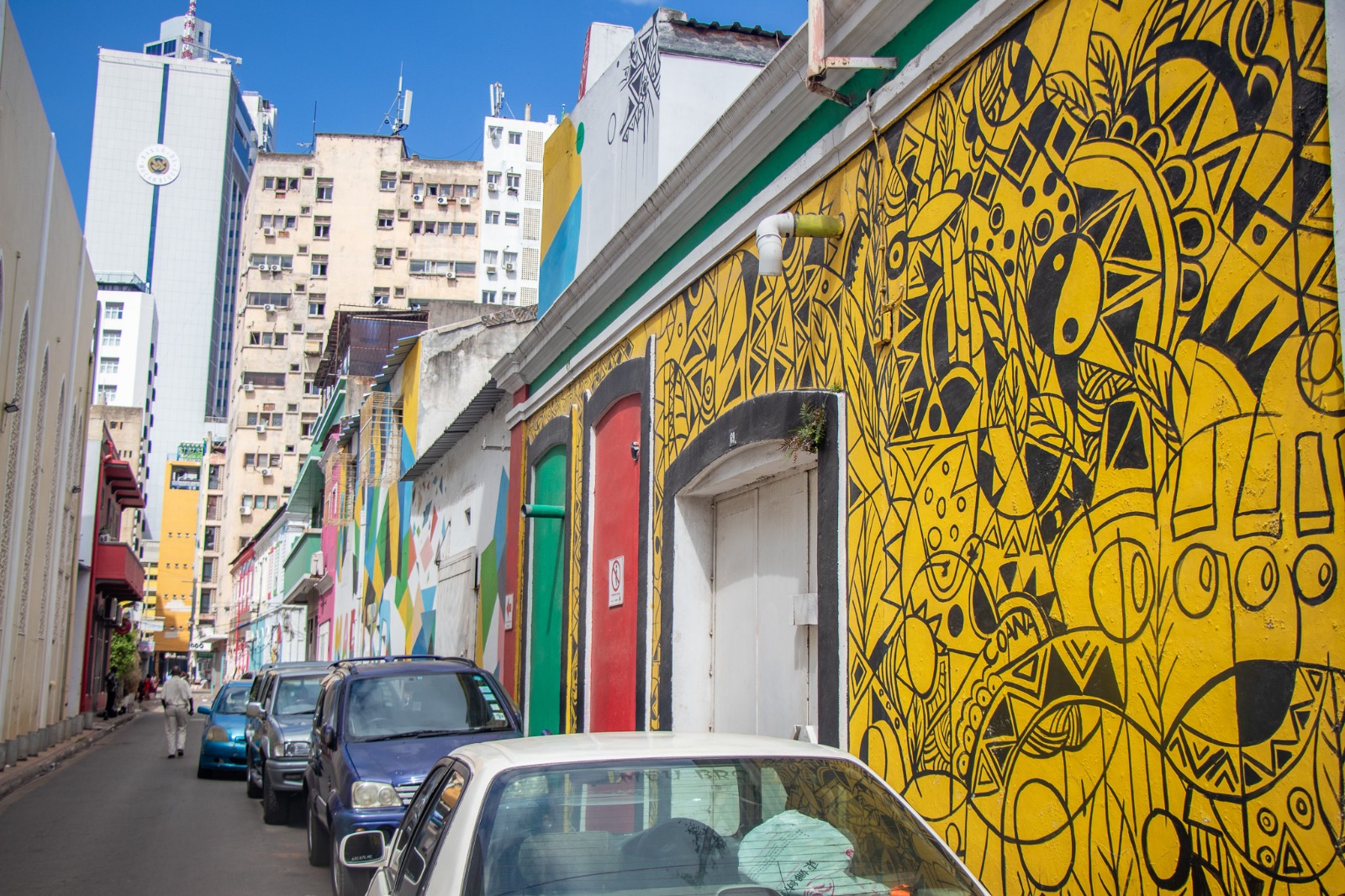
Mozambique is not just its beautiful coastline. In Maputo you also get theatre, walking tours, railway history, civic architecture, and a growing street-art scene.
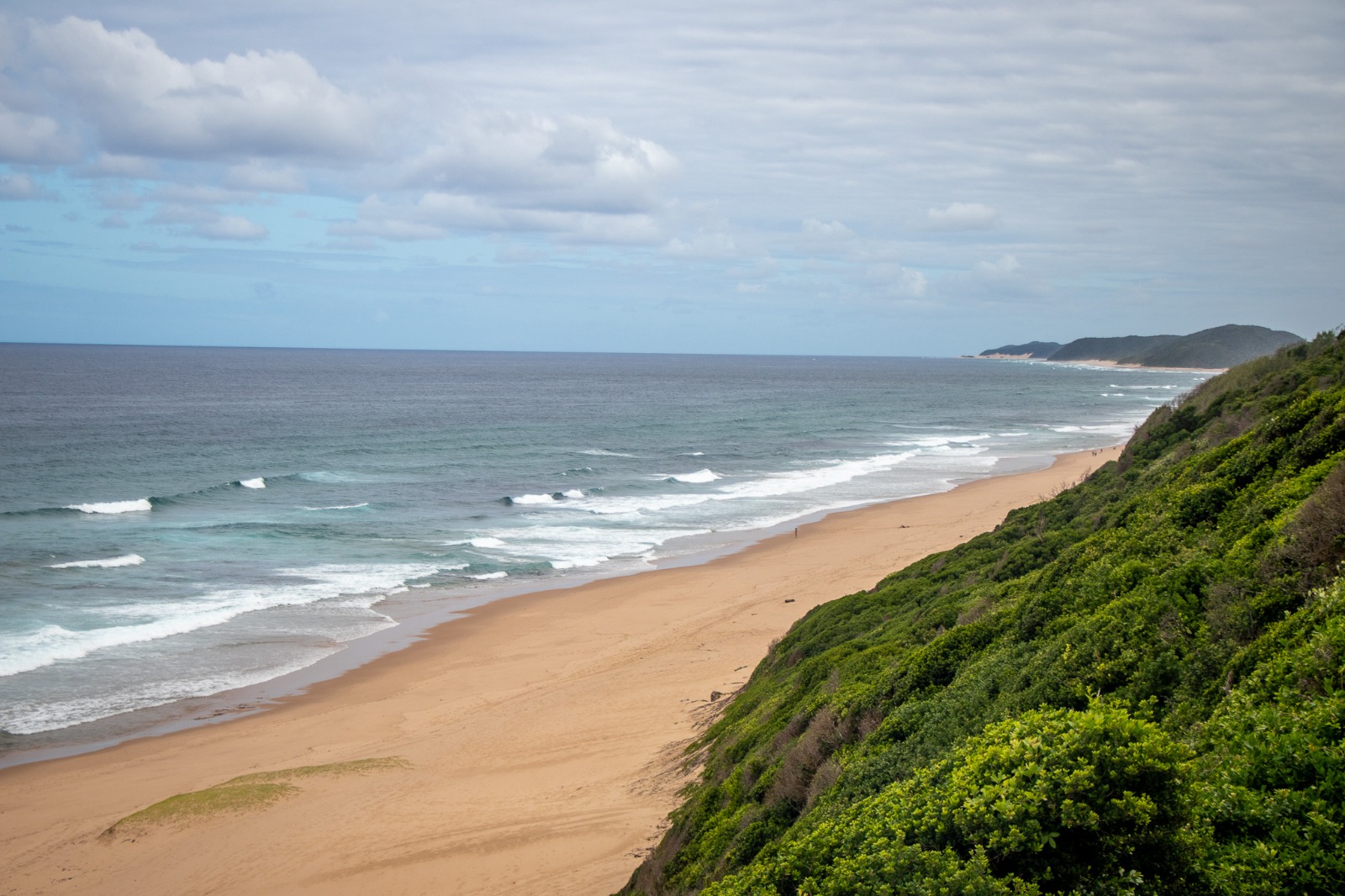
Whether in the capital, in Macaneta, or down in Ponta do Ouro, water and beaches keep reappearing as one of the country’s defining themes.
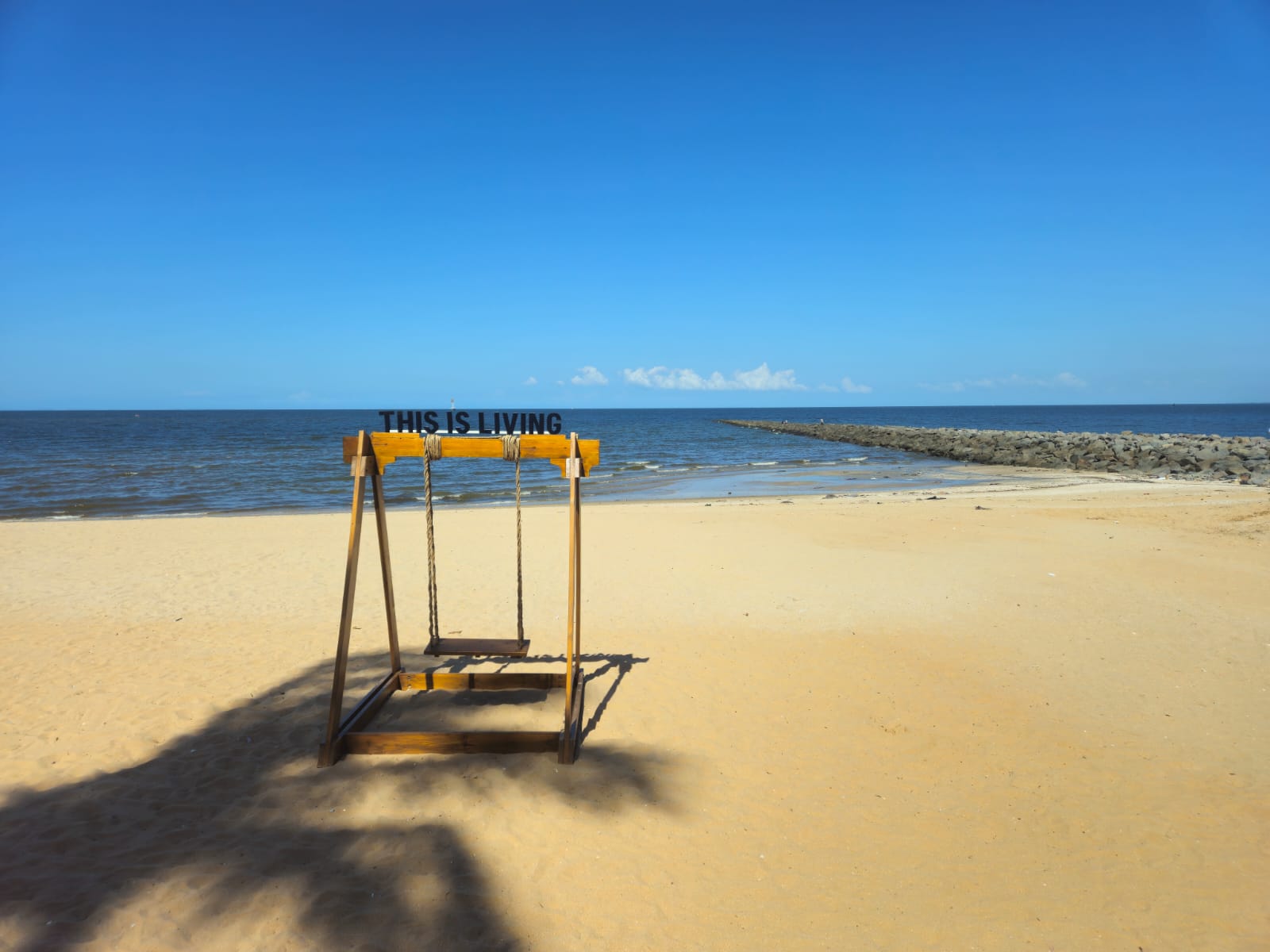
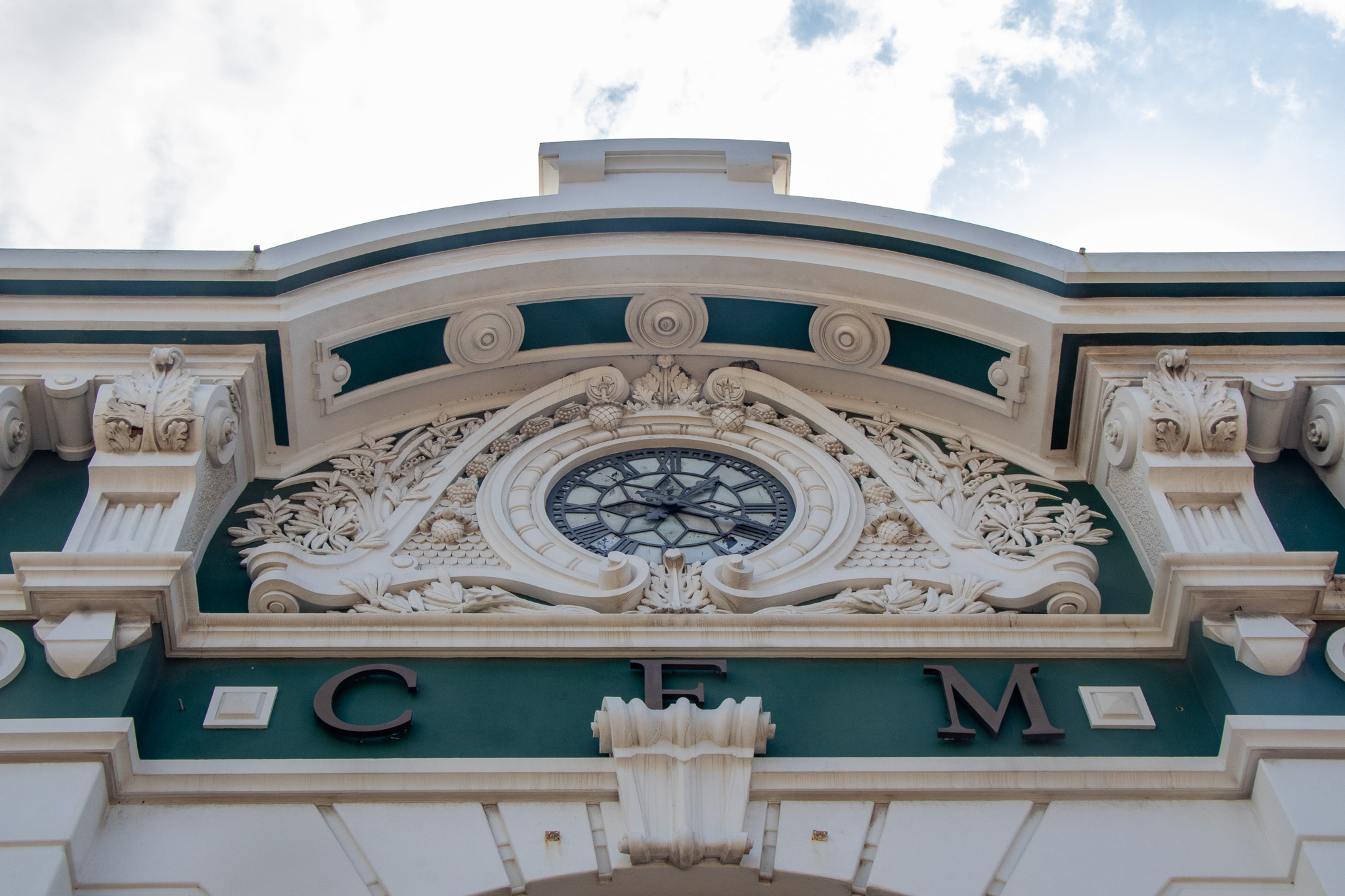
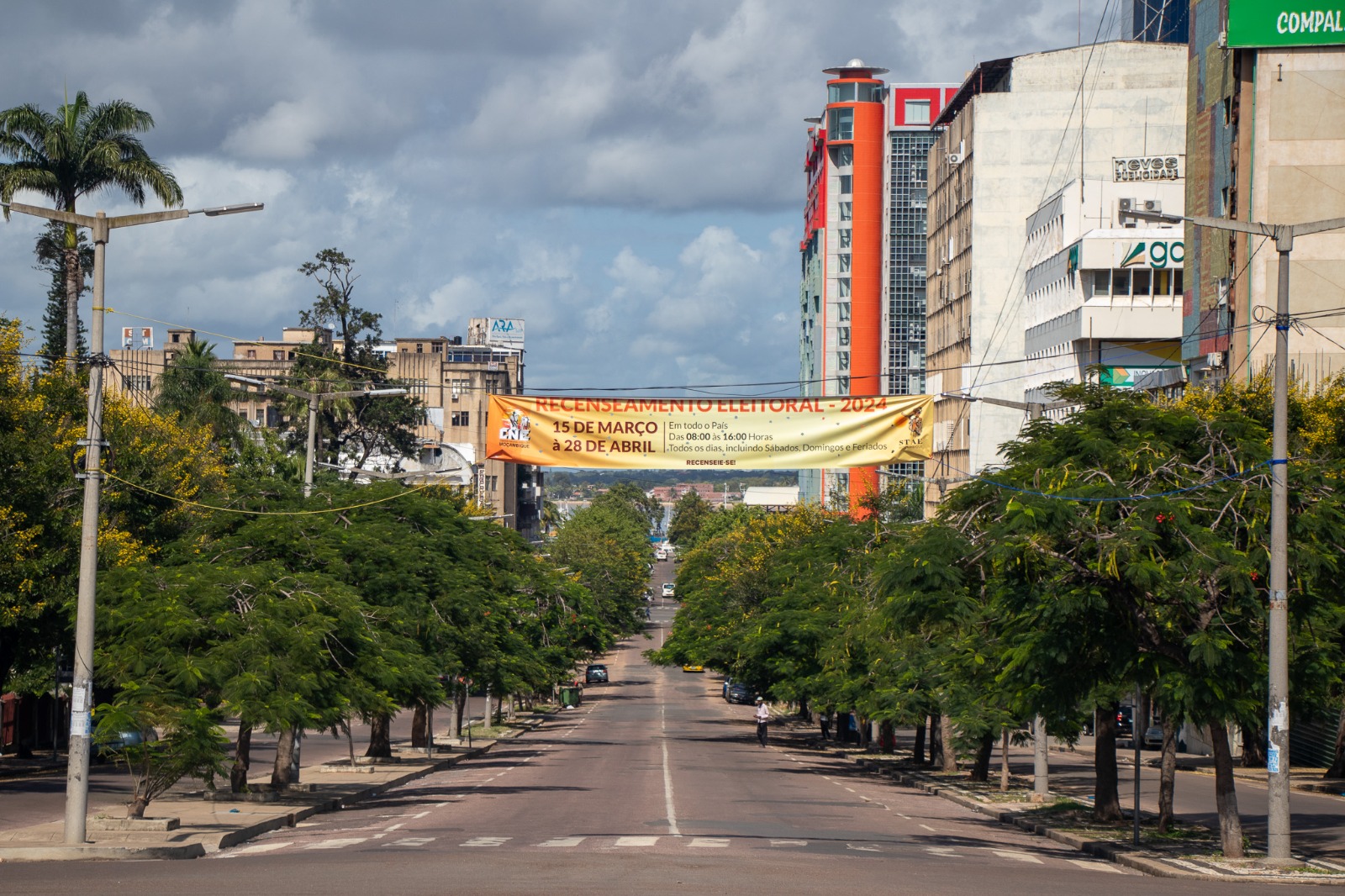
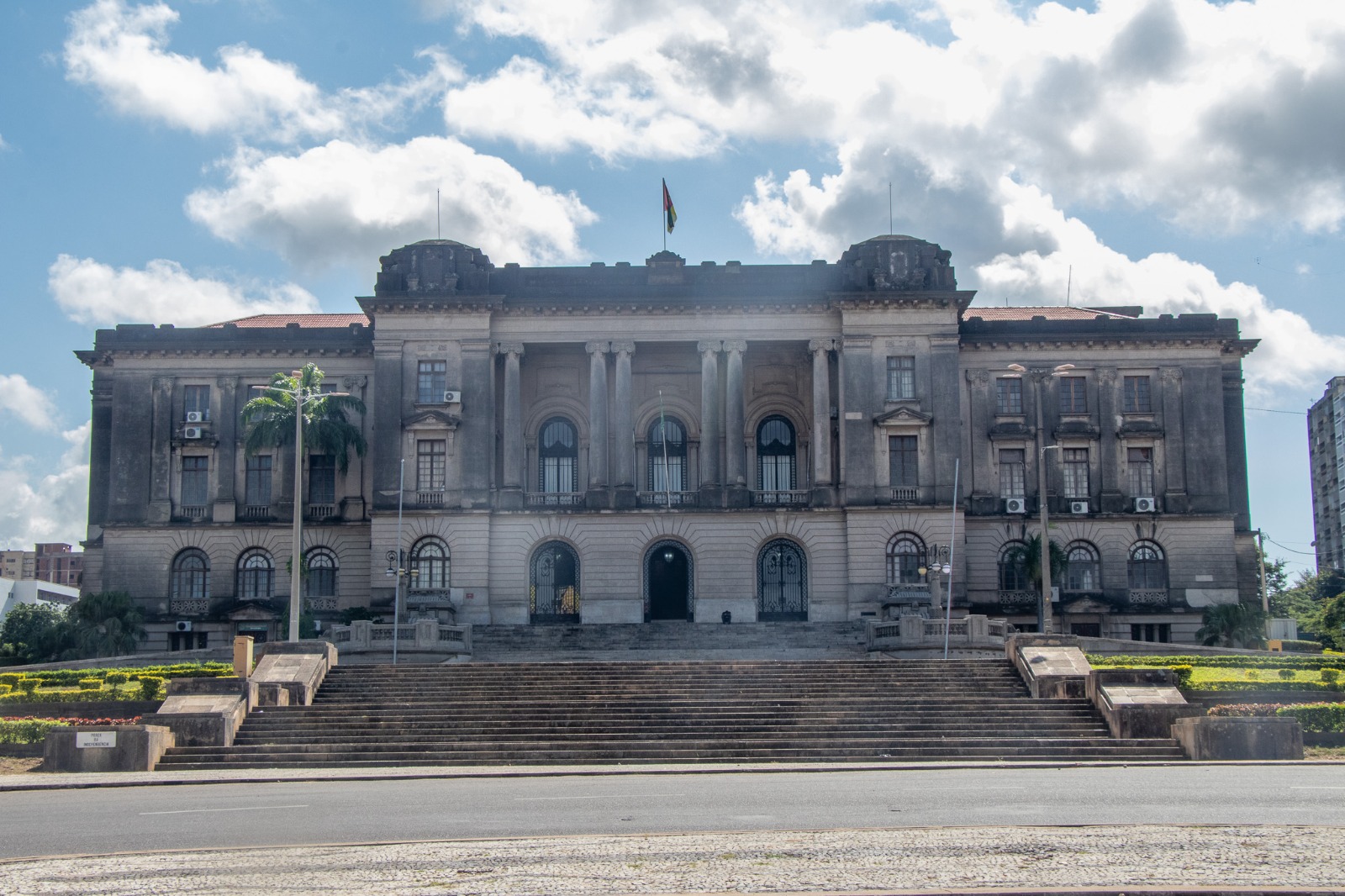
Around 40 km outside Maputo, Macaneta changes the mood completely. The city fades, the beach takes over, and everything starts to feel slower.
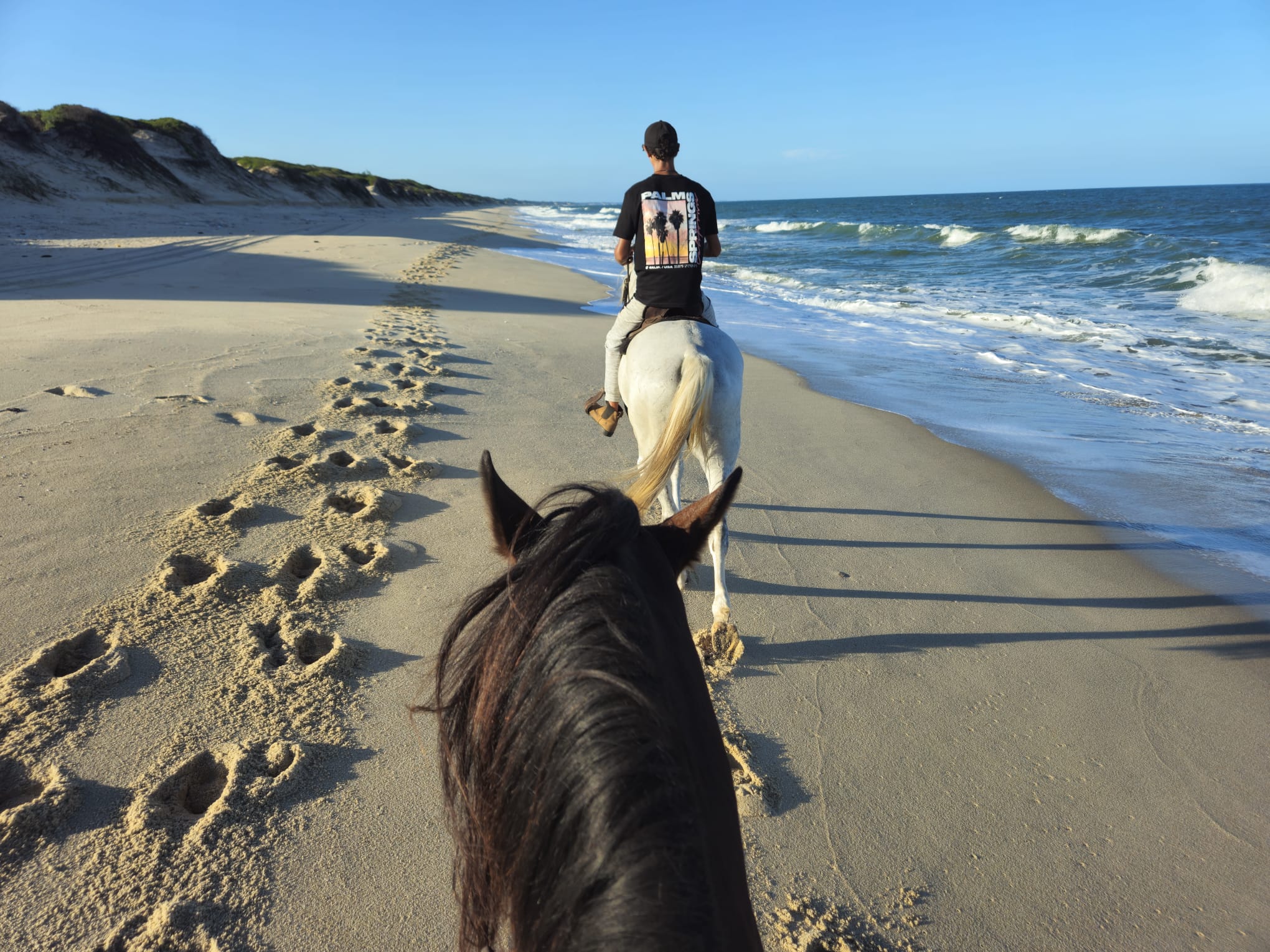
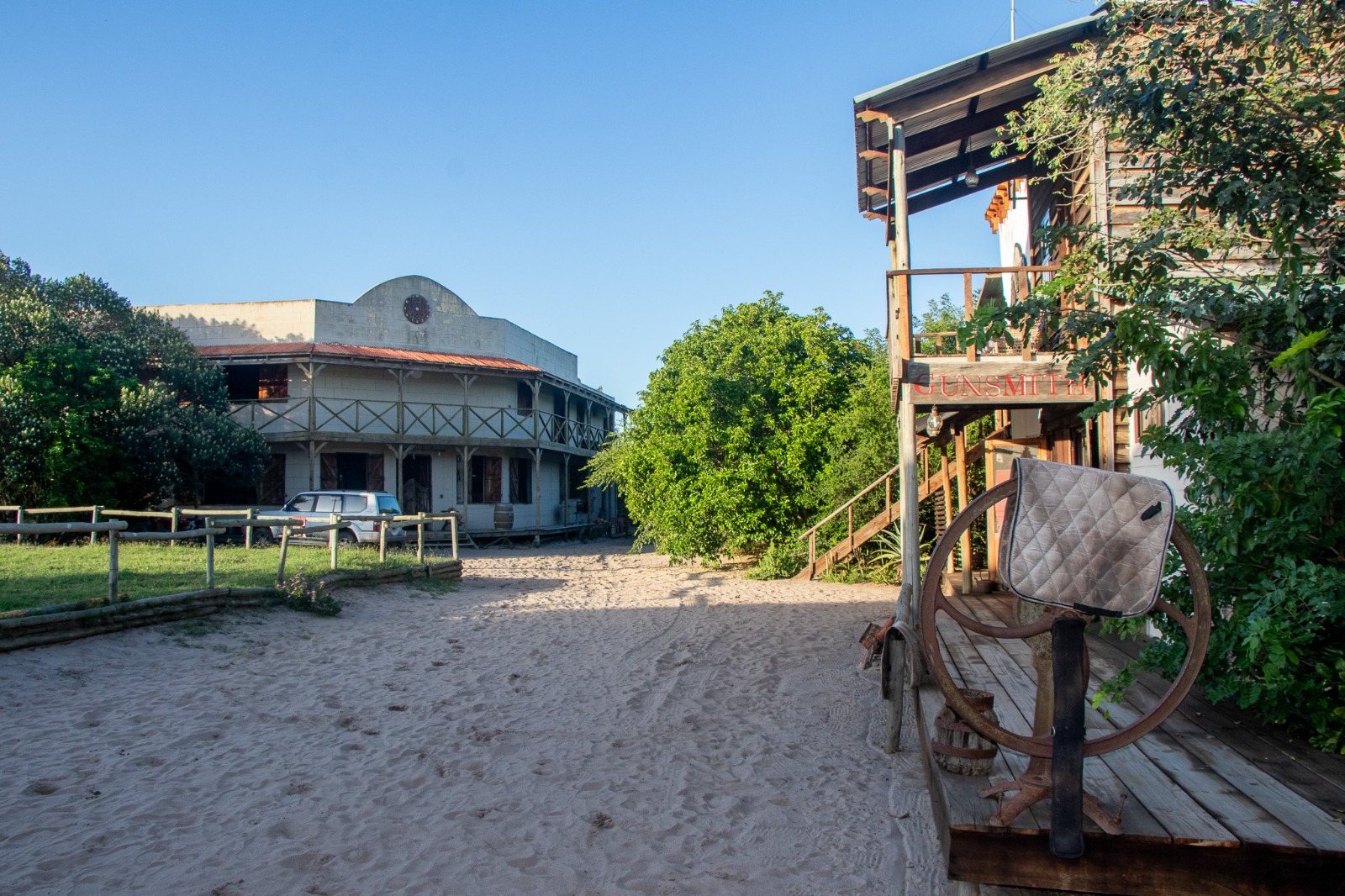
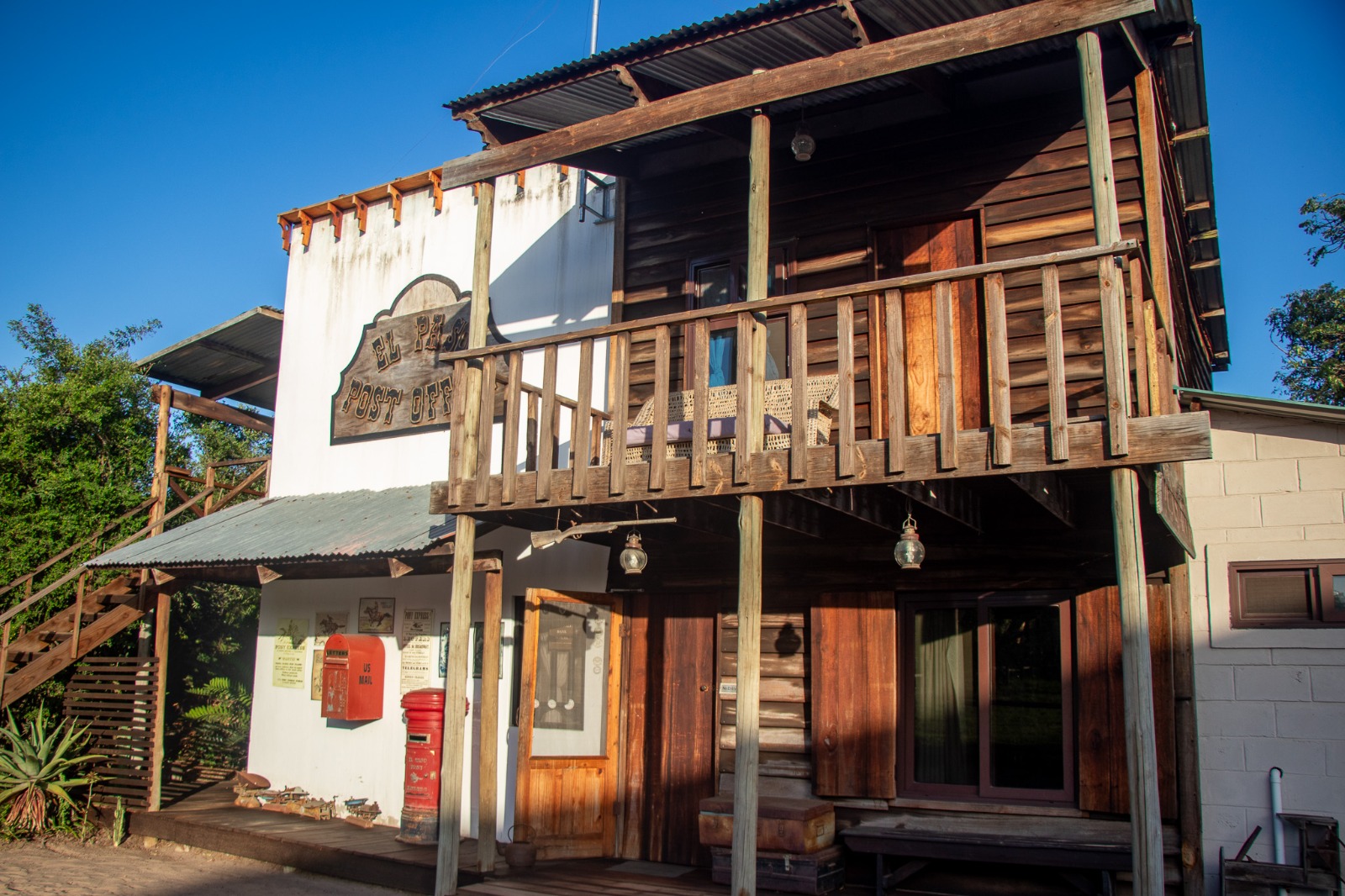
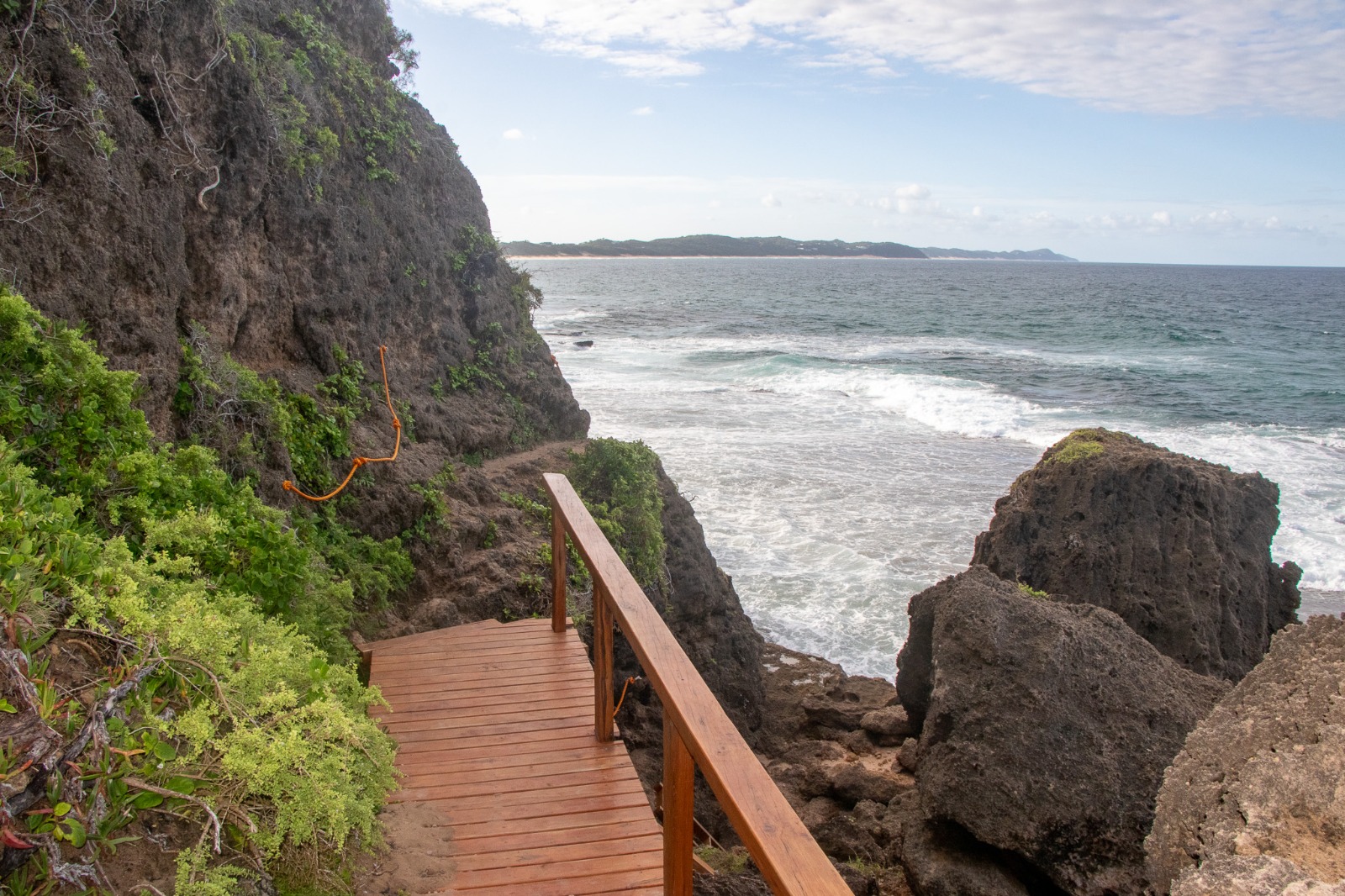
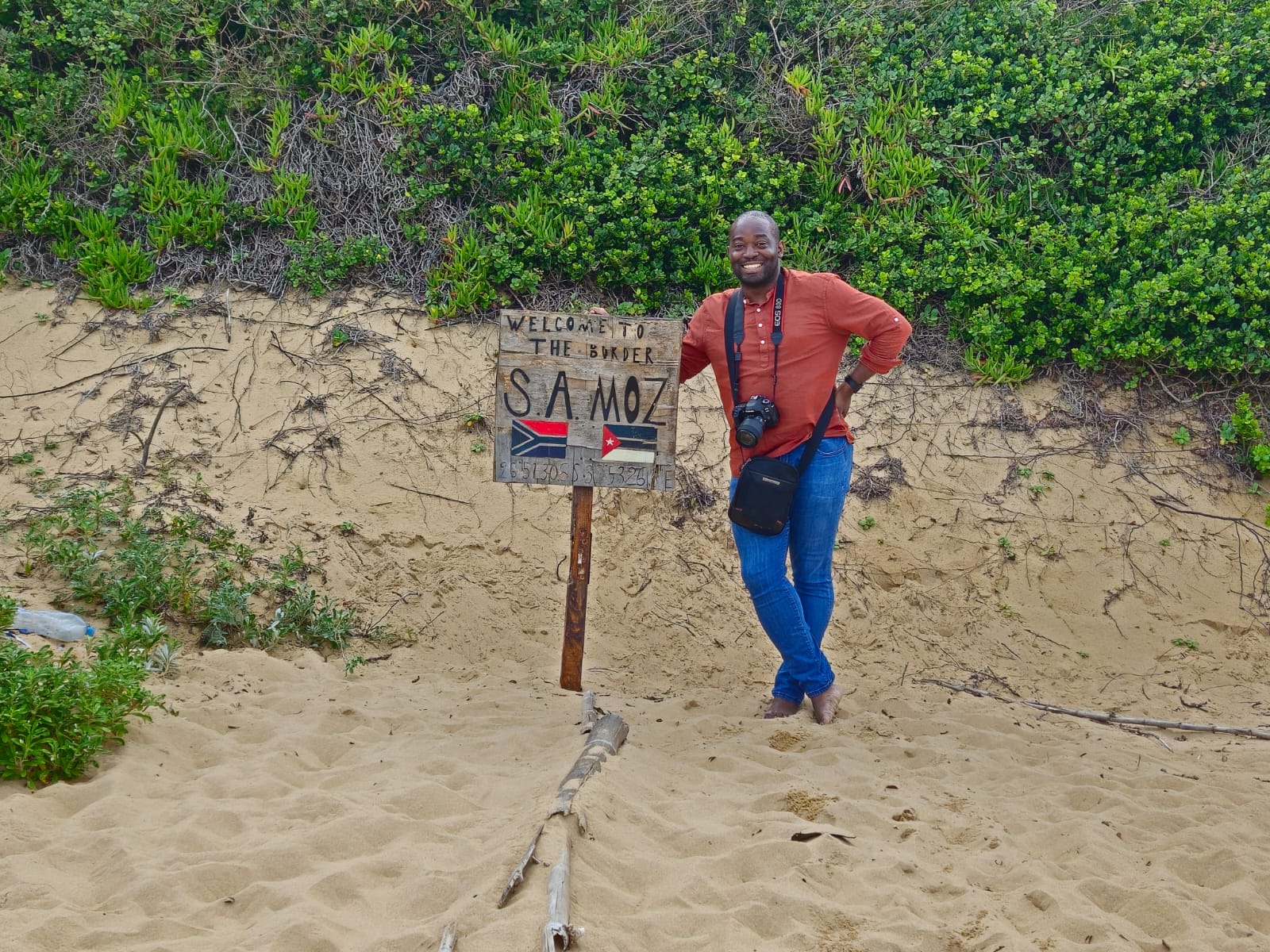
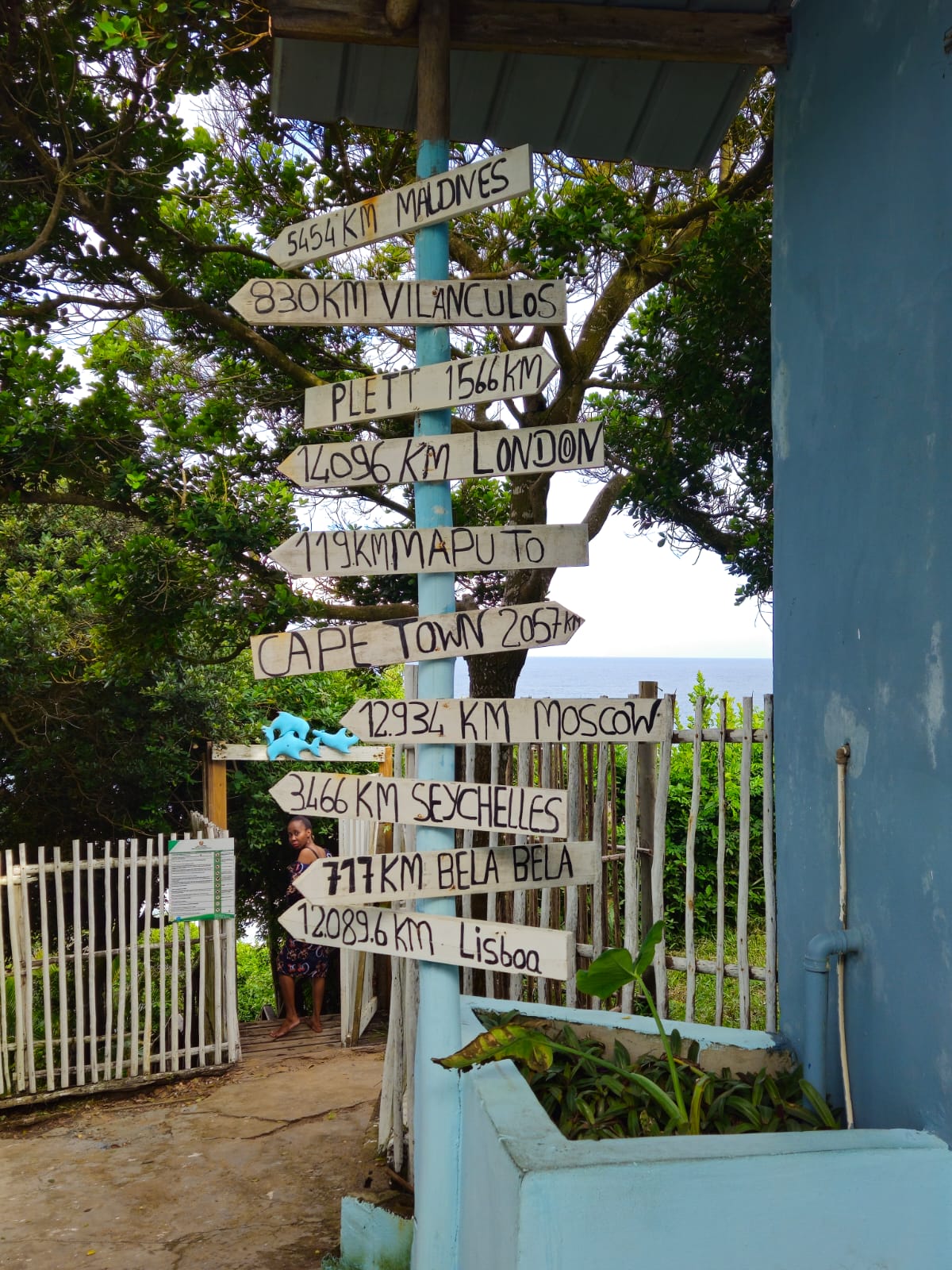
Further south, close to the South African border, Ponta do Ouro brings in some of Mozambique’s most iconic beach scenery and that strong sense of reaching the edge of somewhere.
I stayed at the Afrin Prestige Hotel and its a solid base if you want to stay centrally. The room was actually pretty good, and the location near Maputo Shopping Centre and the river is useful, but be aware that they had a strict rule allowing only hotel guests up to the rooms.
Portuguese matters, but do not assume it will be as dominant as in places like Angola. You will hear a lot of Changana on the streets in Maputo, so it helps to be aware that daily language use can feel more mixed.
Walking tours are genuinely worth doing in Maputo because the city has strong history and many details you would miss on your own. I did one with Heny, who was very knowledgeable and also flexible enough to adapt the content to the group.
I used Tours Maputo to organise a trip to Eswatini and found them very good. The driver was polite and flexible, the car was very good, and they were open to adjusting the itinerary at my request. Just note they asked for a 30% deposit to confirm the booking.