At a glance
Easy to visit
Eswatini felt like one of the more organised countries in the region from a tourism perspective, with clearly structured attractions and a day trip that flowed quite smoothly.
Culture is central
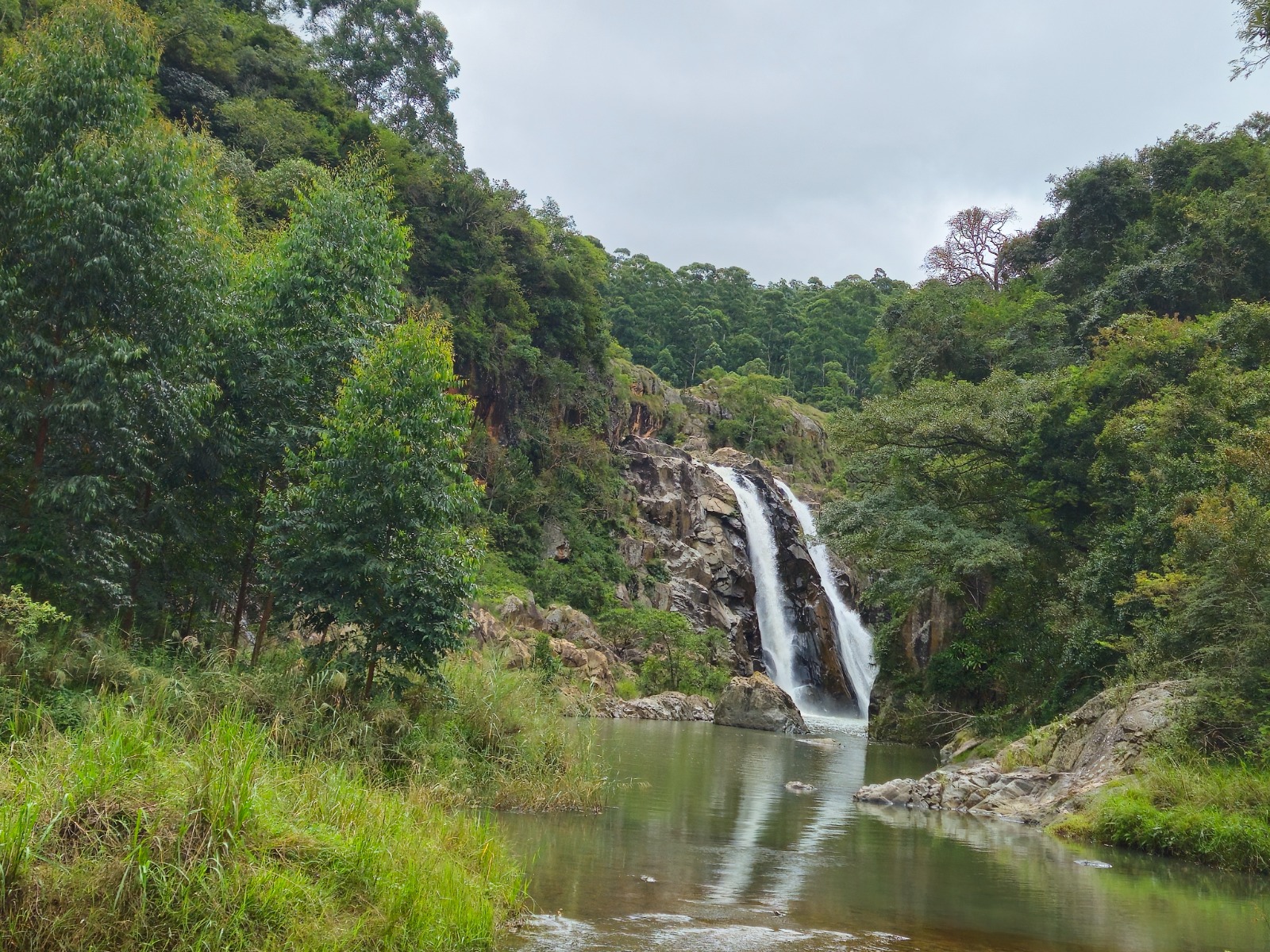
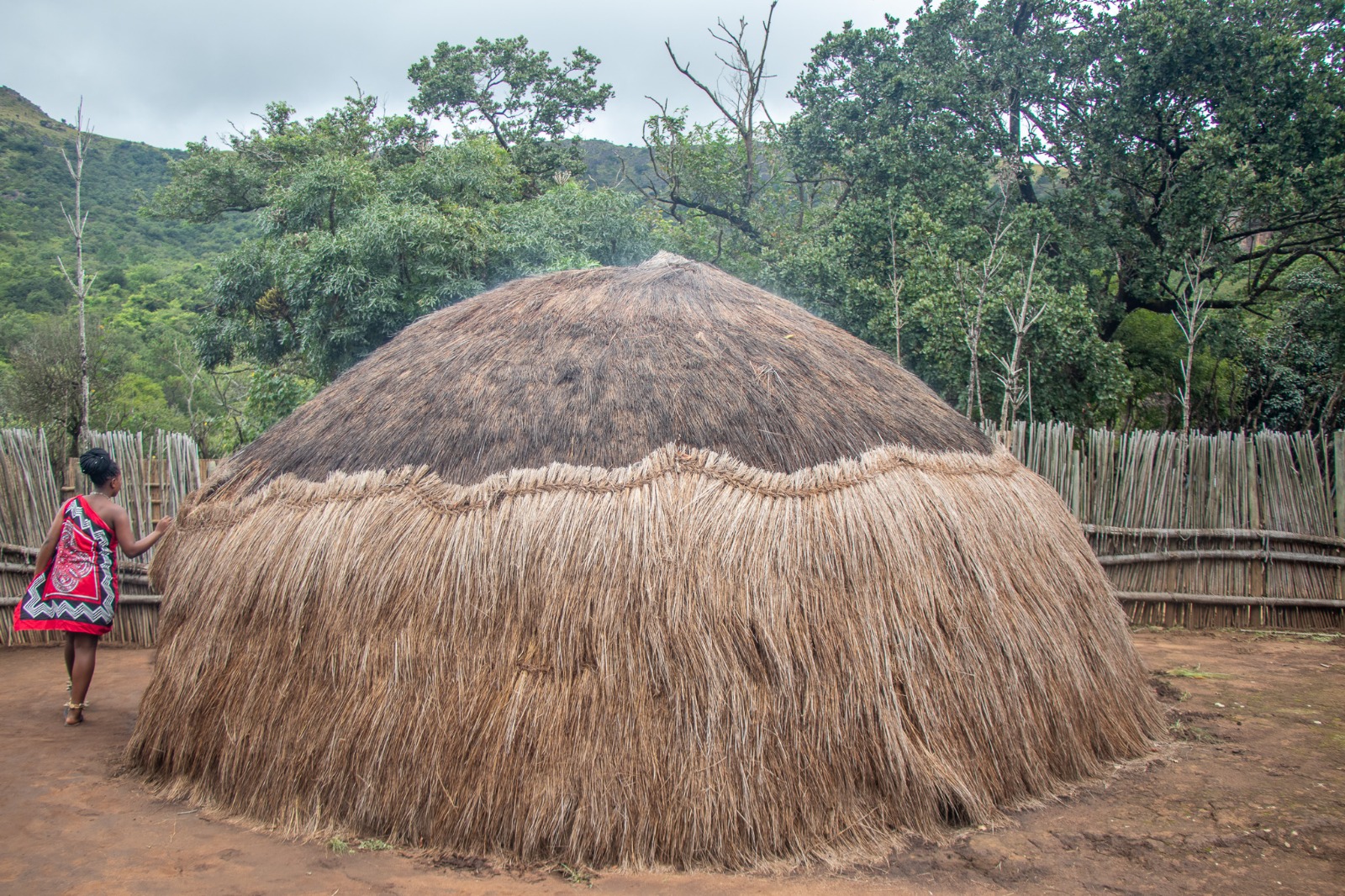
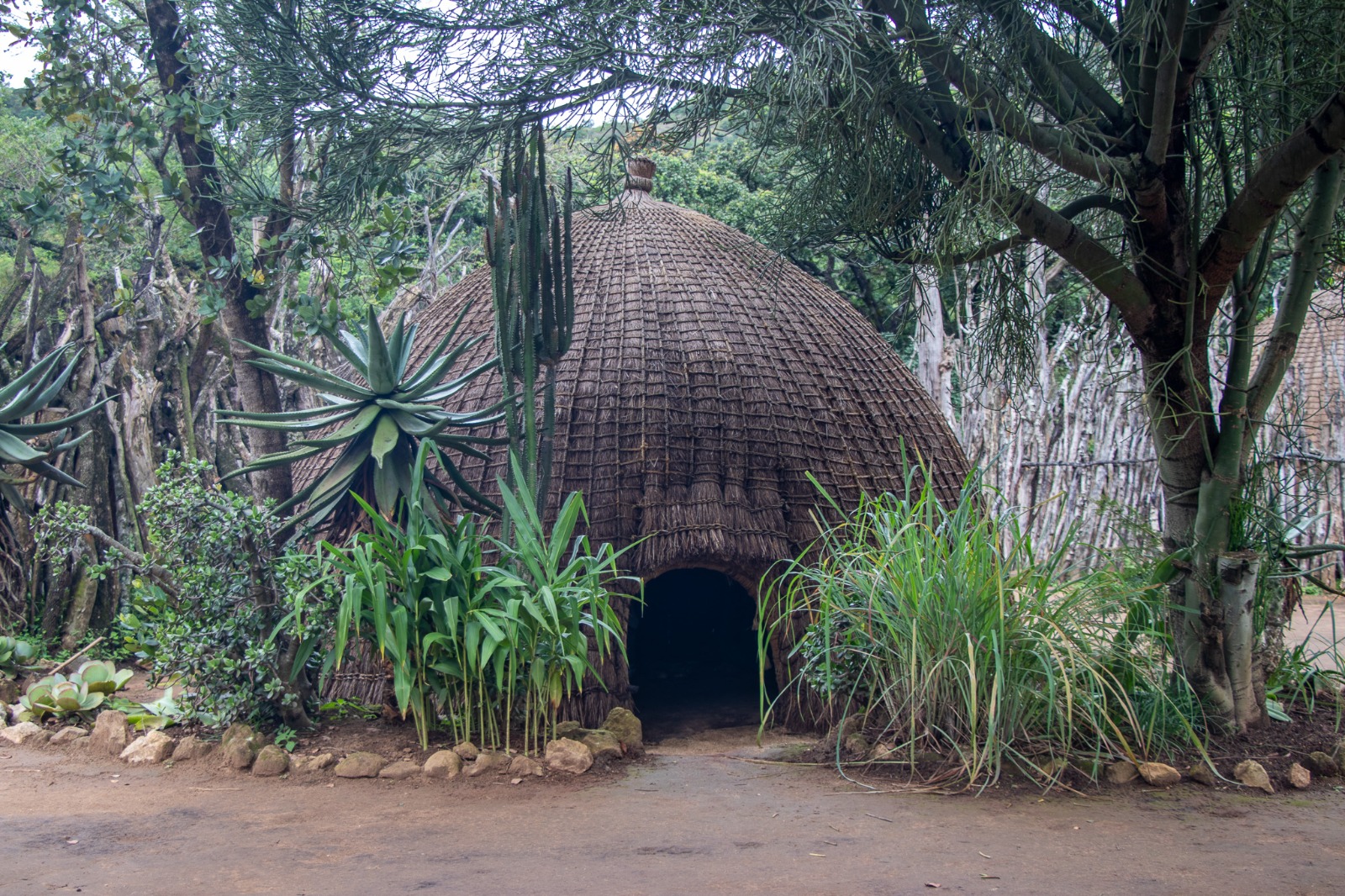
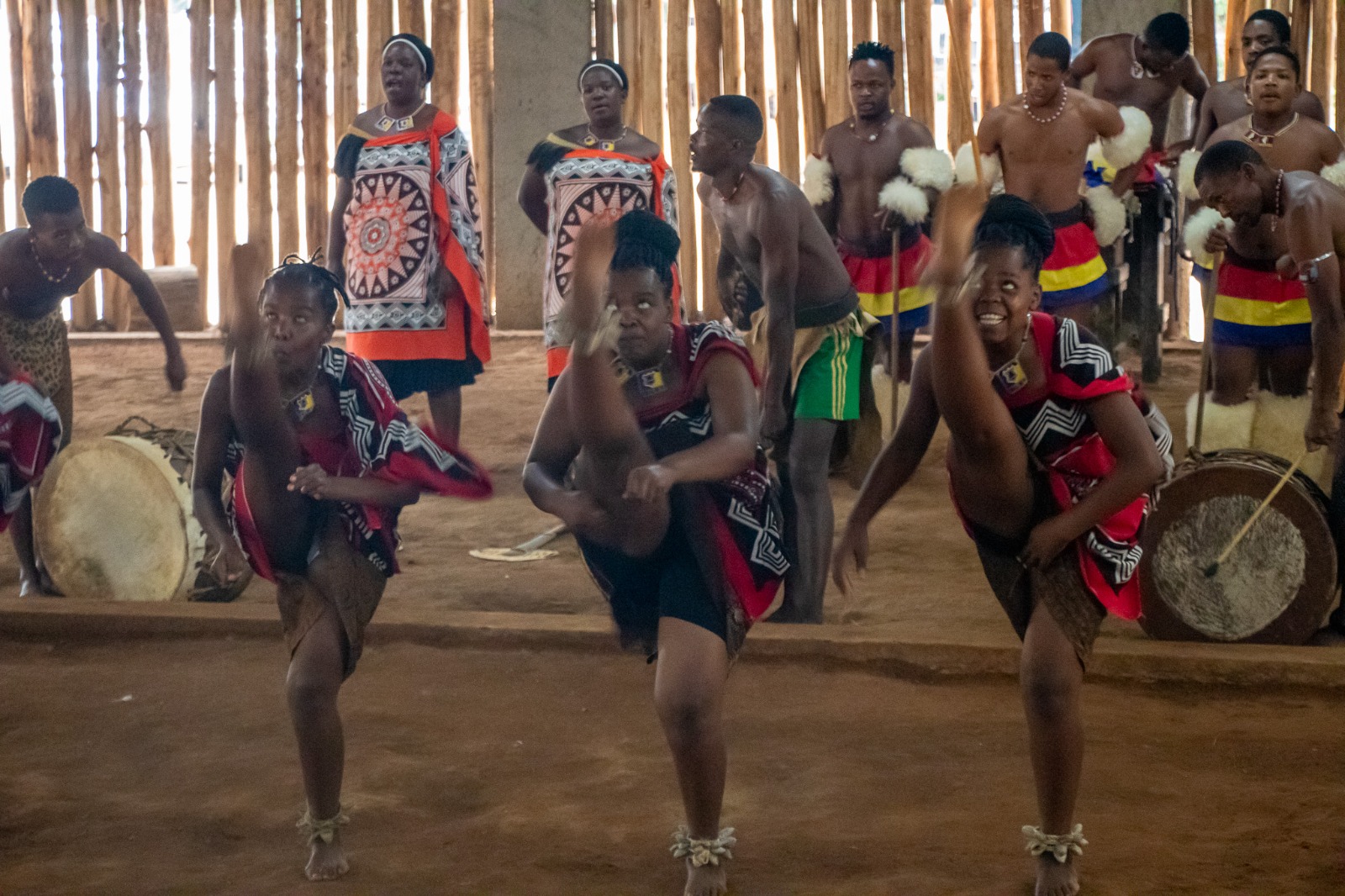
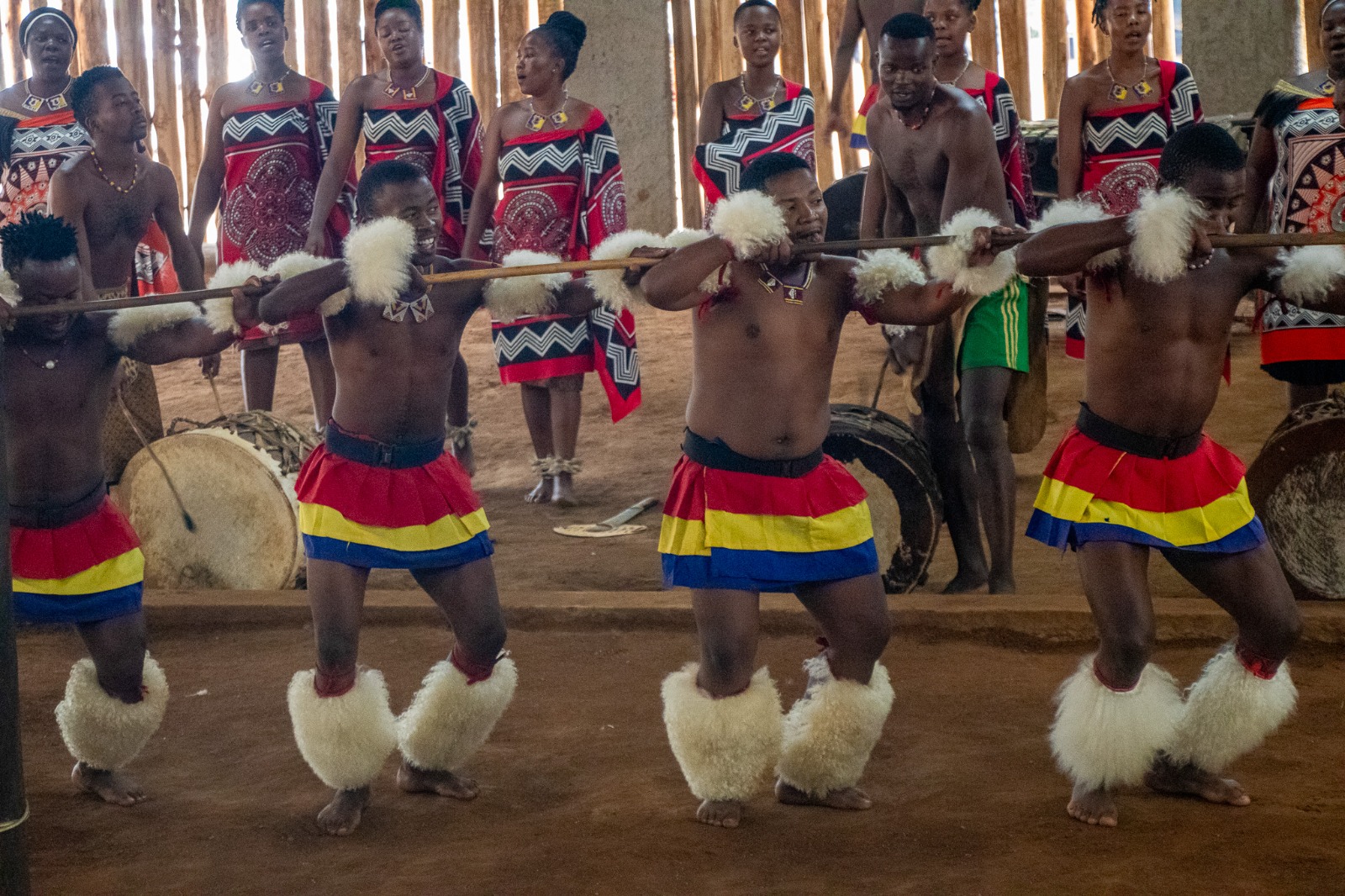
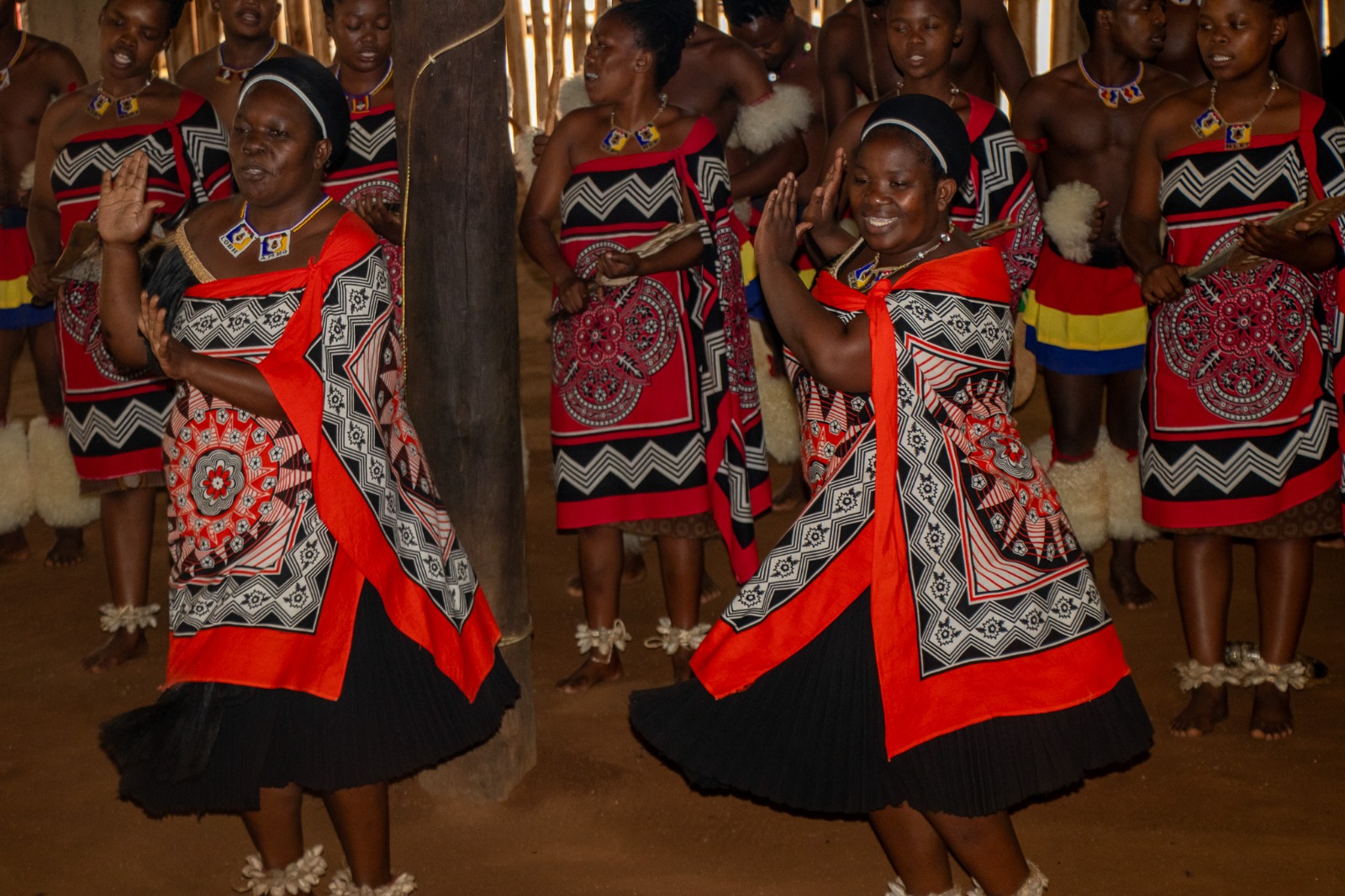
Mantenga is one of the country’s major attractions and gives visitors a direct introduction to Swazi history, homestead structure, dance, and tradition.
Small but memorable
Even on a short visit you can move from cultural performances to waterfalls, craft shopping, local beer, and city life without feeling rushed.
Strong identity
From the Sibhaca dance to traditional homesteads and local products, Eswatini leaves a strong impression of cultural pride and continuity.
A visual journey through Eswatini
Manzini
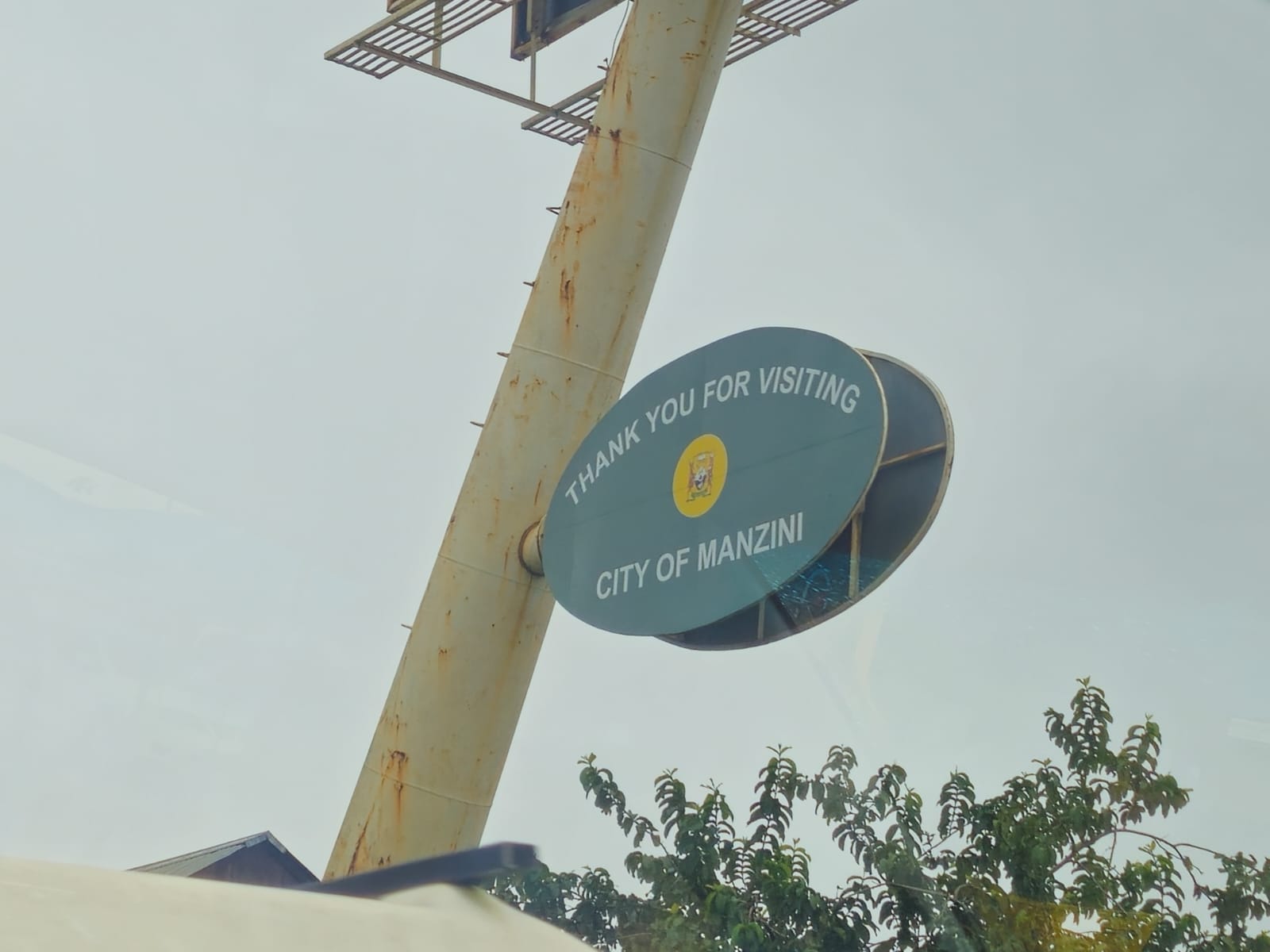
Manzini is the second-largest city. It is more functional than scenic, but gives a sense of everyday life in Eswatini.
Travel notes
Good for a day trip
I visited Eswatini as a day trip from Mozambique, and it worked well. The country feels organised enough that you can see a good amount without the day becoming chaotic.
Currency
South African Rand is widely usable in Eswatini, much like in Namibia, which makes things easier if you are already travelling through Southern Africa.
Mantenga timing
The traditional dances at the cultural village happen at specific times, so it is worth planning around that. Even so, you can usually fit in the homestead tour, the falls, and the dance show within one visit.
Cultural village
If you only have limited time, Mantenga is the one place that gives you the best combination of history, performance, and a wider sense of Swazi tradition.
Shopping
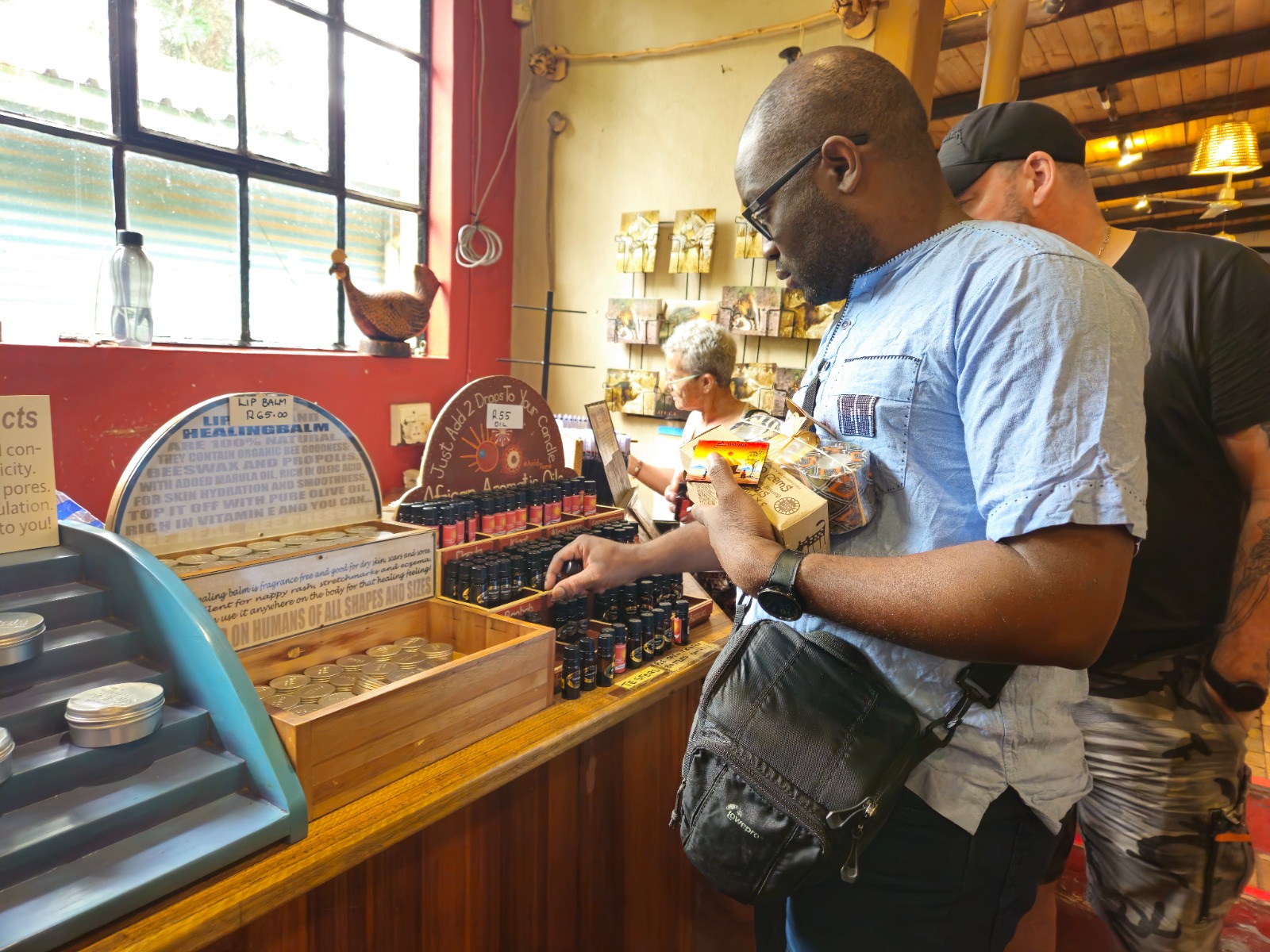
The Swazi Candles Centre is a pleasant stop and part of a broader shopping complex, while Manzini is a useful place to look for traditional fabric.
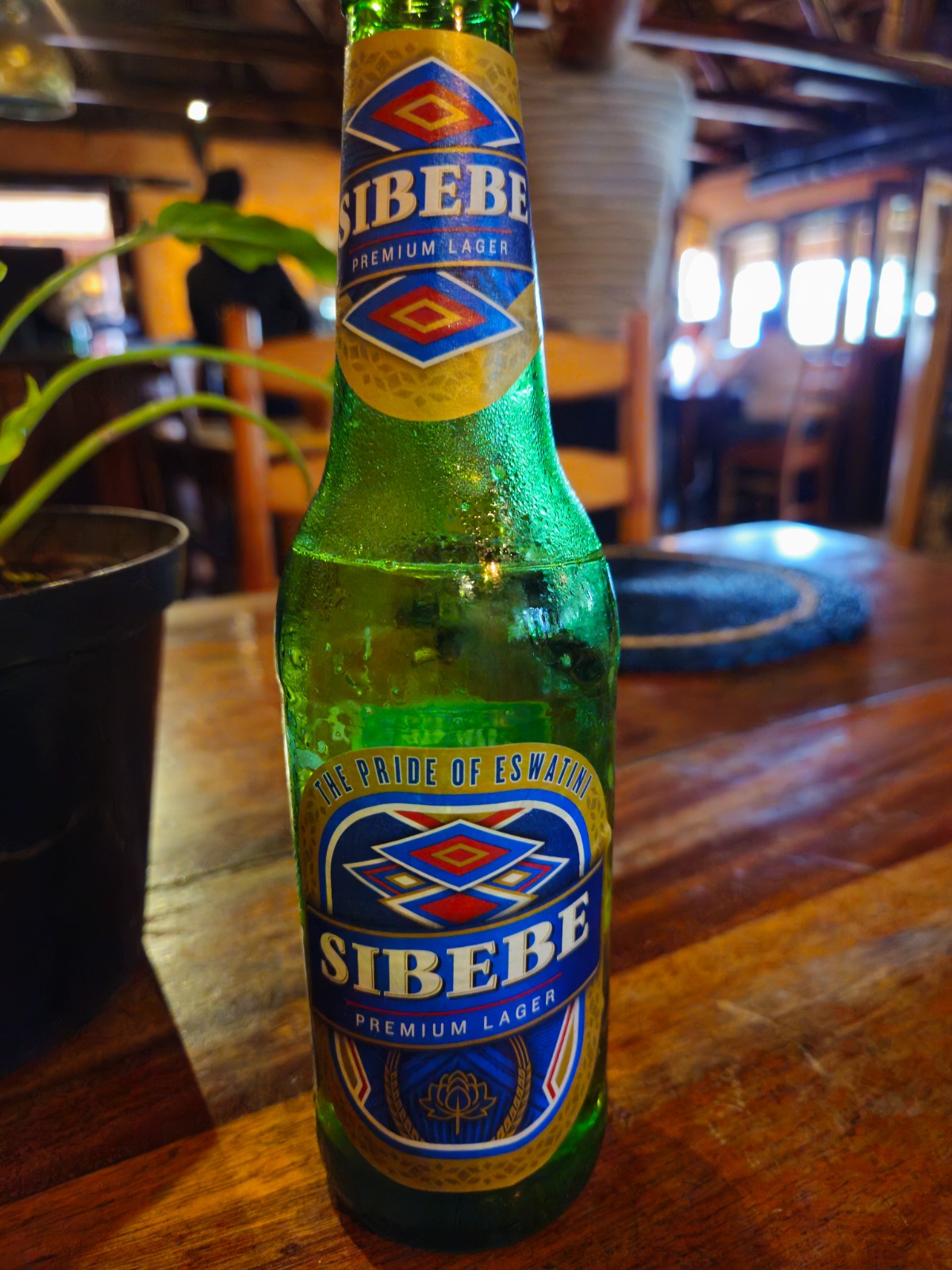
Sibebe
Sibebe is not just a beer name. It also refers to the famous monolith, and if you stay longer in the country there is even the organised Sibebe Survivor walk, a 10 km route tied to the site.