At a glance
A large and varied country
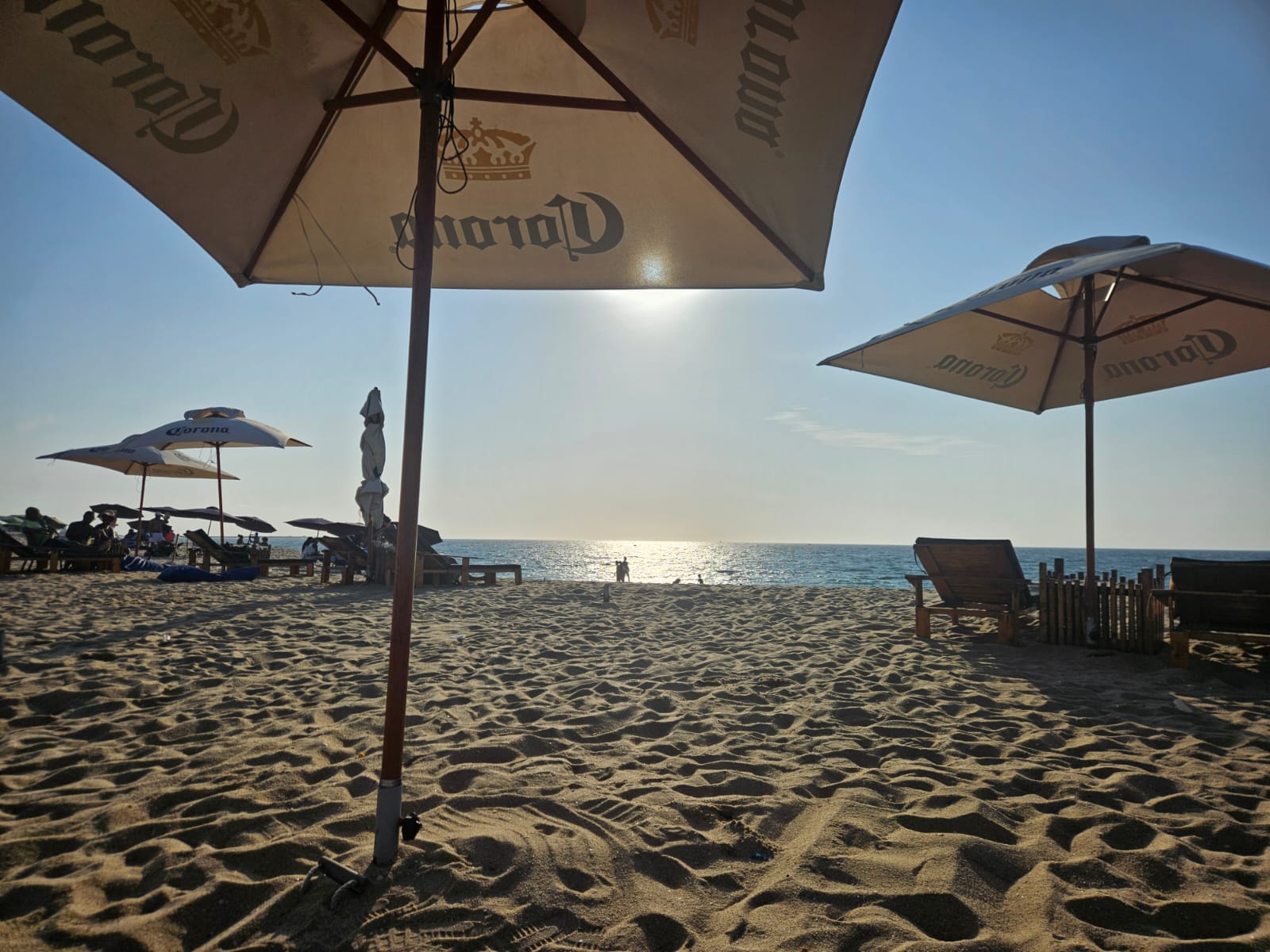
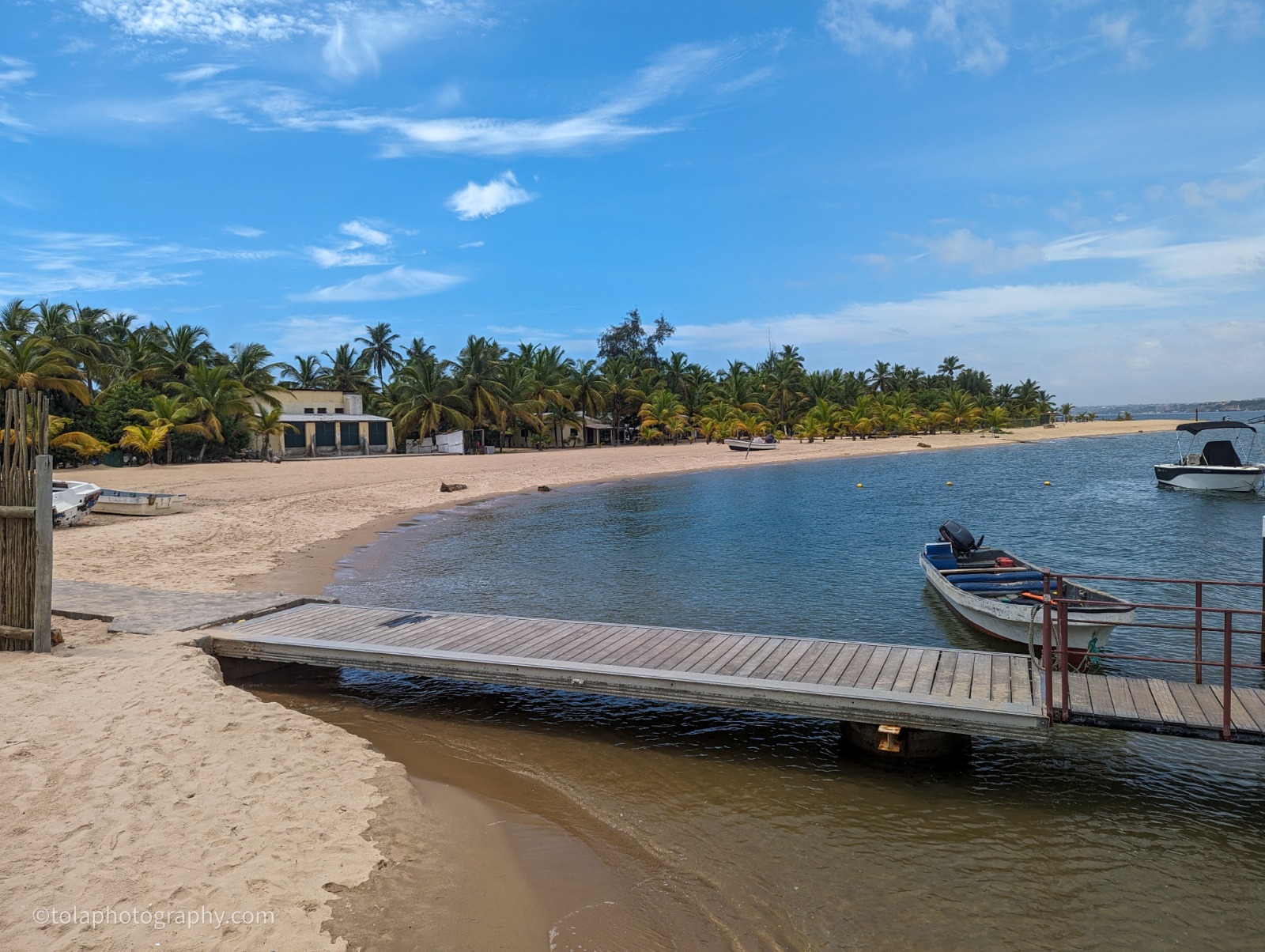
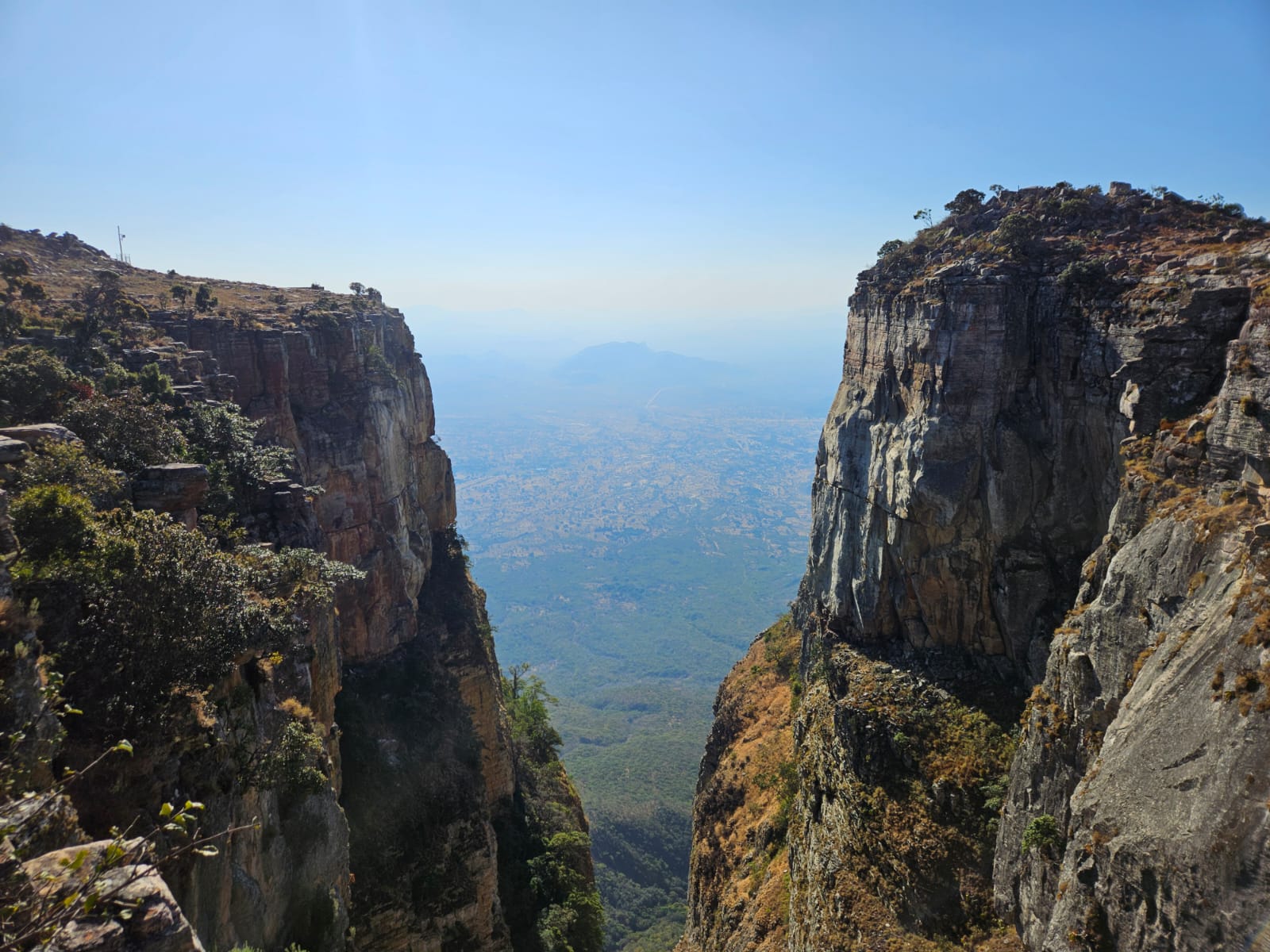
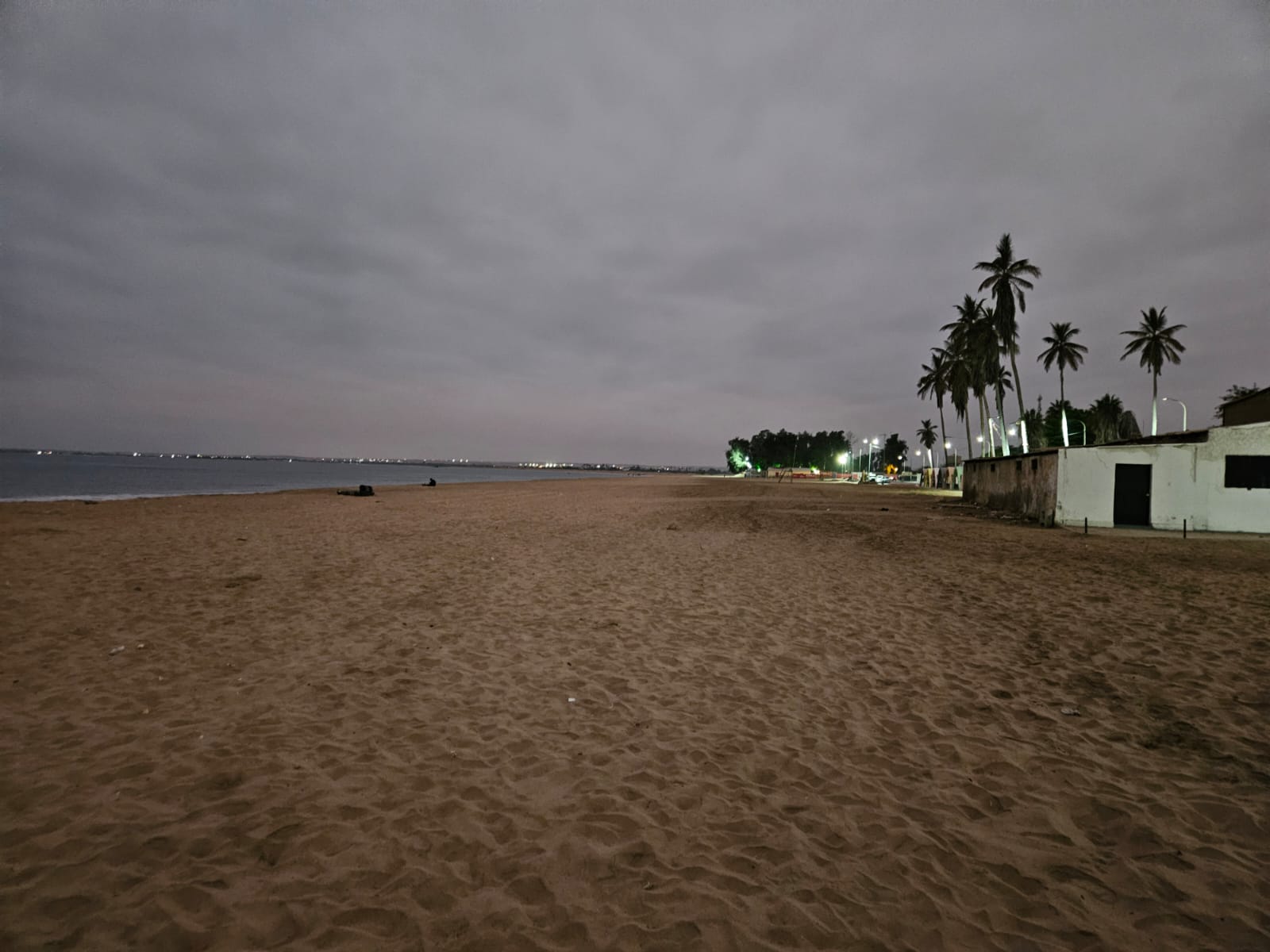
Angola is a huge country, with landscapes that range from Atlantic beaches to highlands, forests, waterfalls, savannahs, and desert scenery. Exploring this is one of the beauties of the country. Angola also borders the Democratic Republic of the Congo and Zambia to the east.
Portuguese speaking Angola
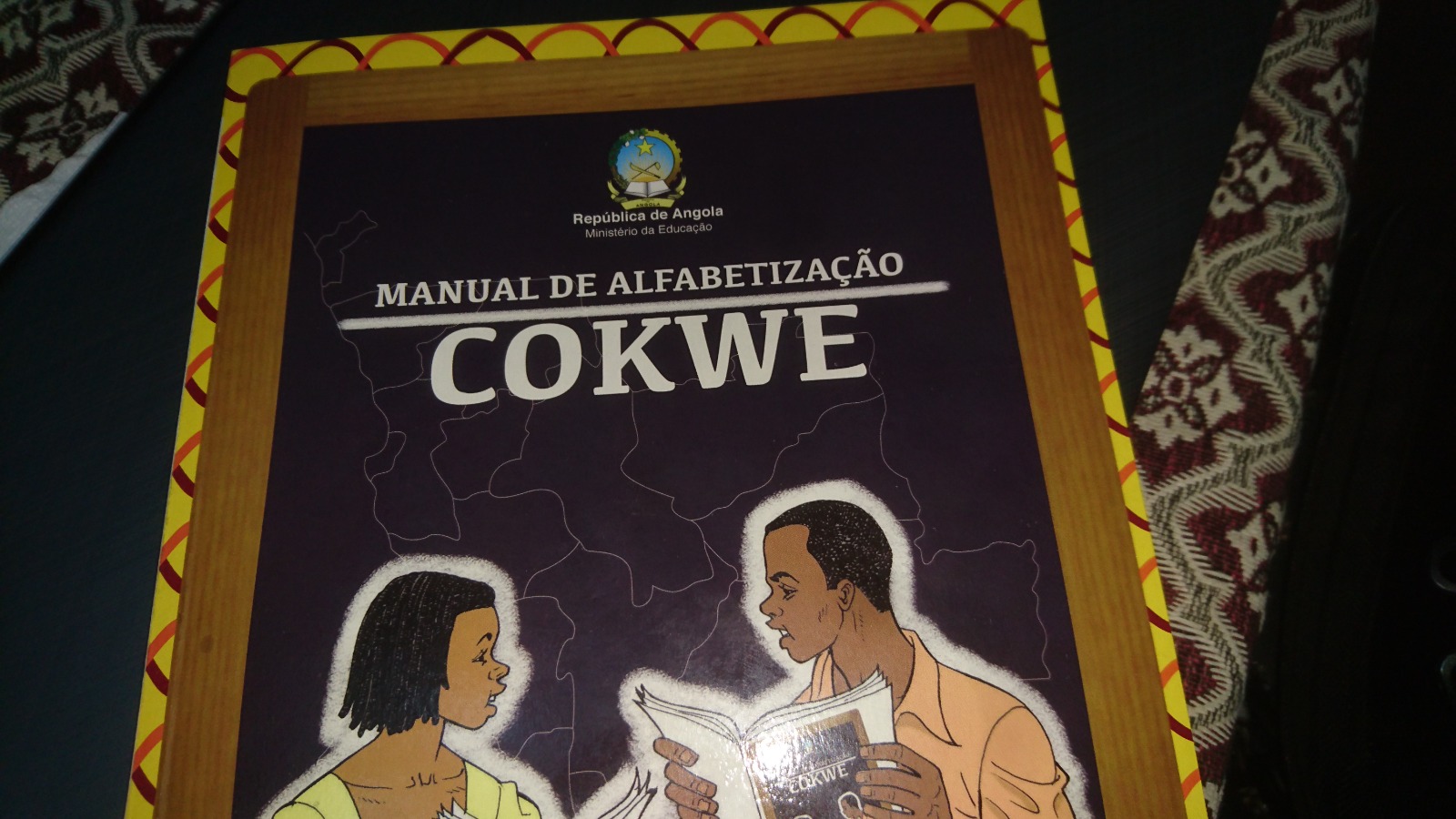
Portuguese is the official language and the main language used across the country although there are regional languages such as Chokwe in the Lunda region, Umbundu in Huambo, Ibinda in Cabinda. Spanish can also be understood, but Portuguese remains essential for travel outside major hotels and tourist areas.
Culture and identity
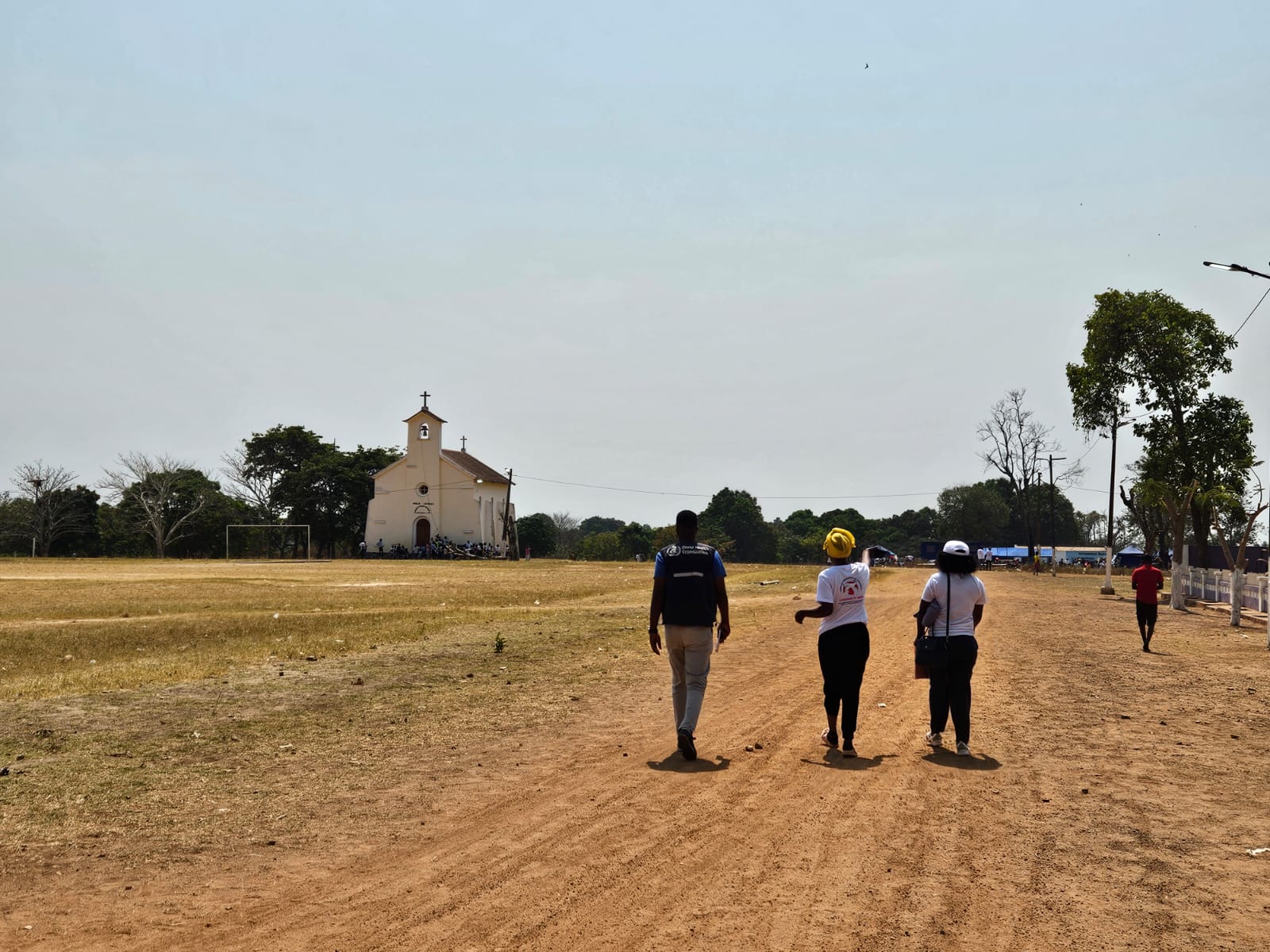
Angola is home to many ethnolinguistic groups and regional identities. For example, Chokwe and Luvale cultures are especially visible in the eastern Lunda region, Kikongo in the northwestern part of the country. The local language of the capital is called Kimbundu although many do not speak this language.
Food and regional dishes
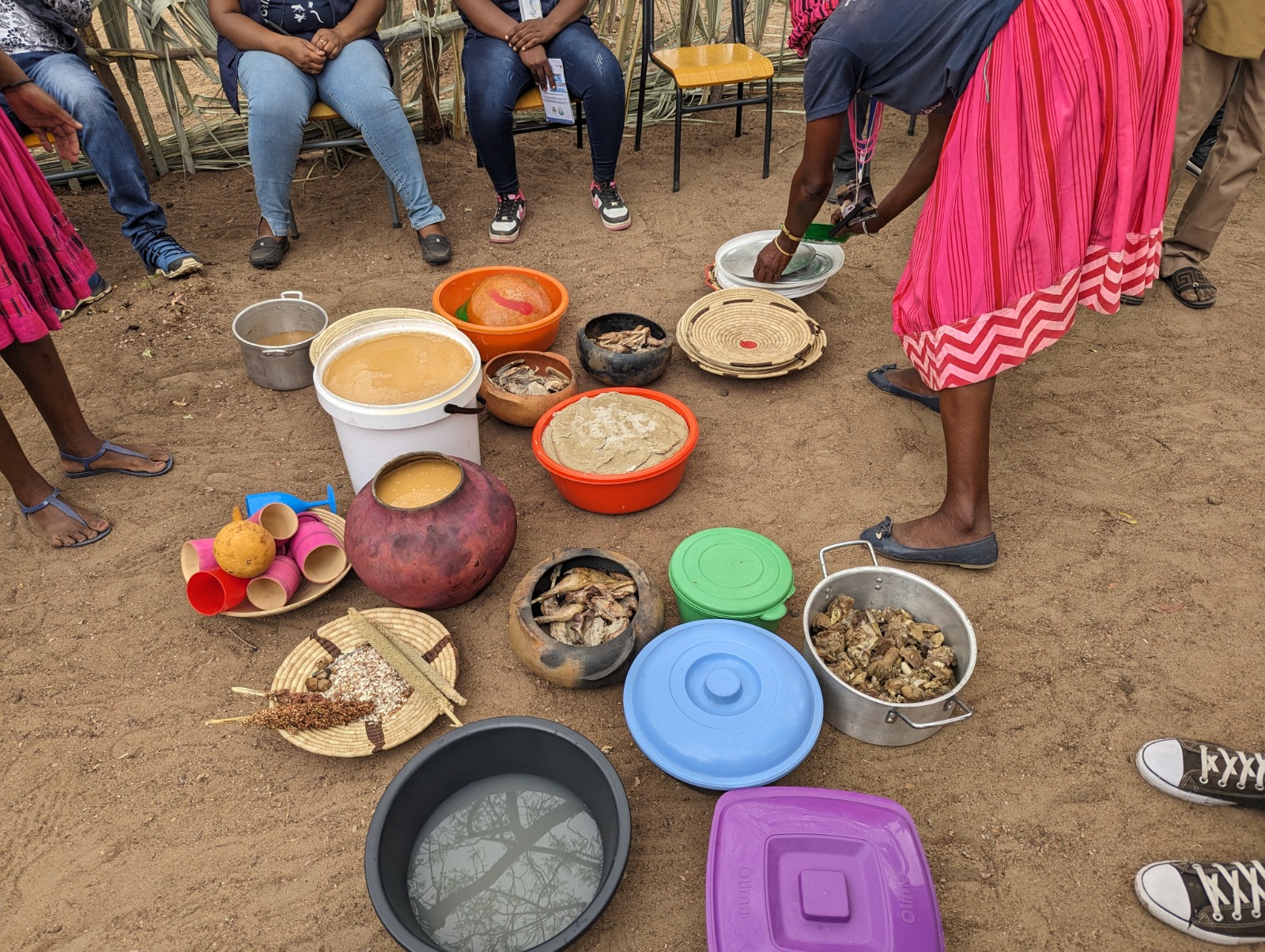
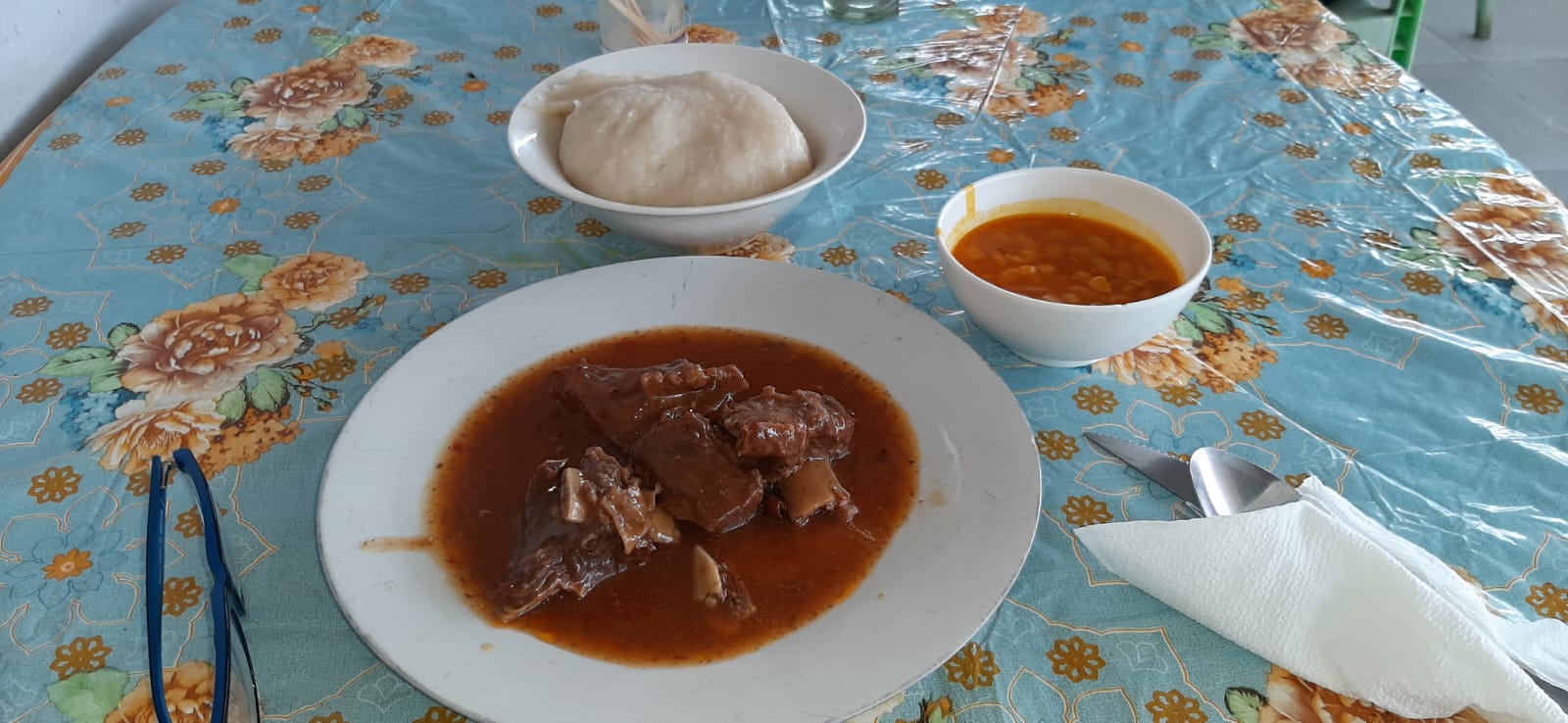
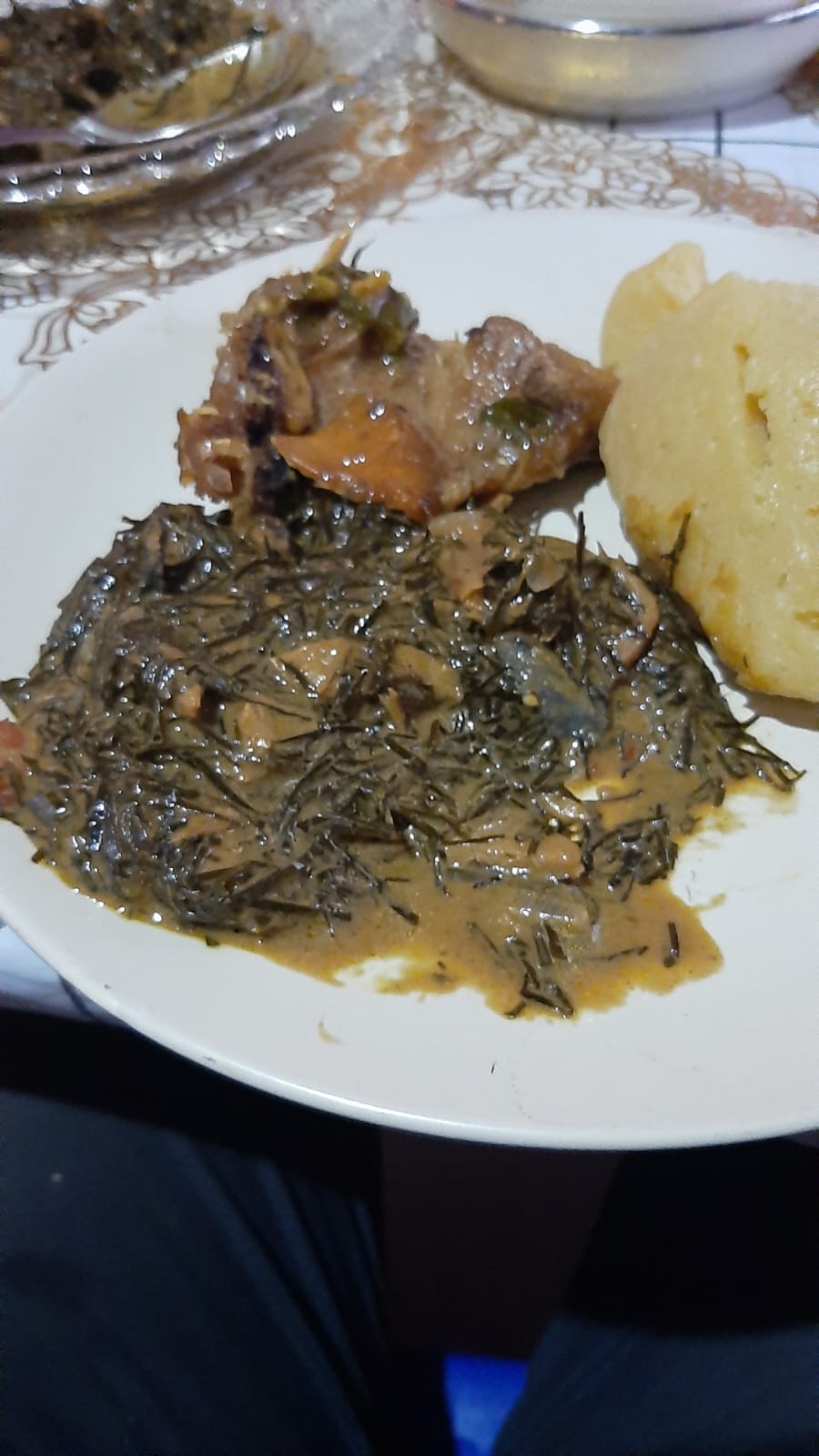
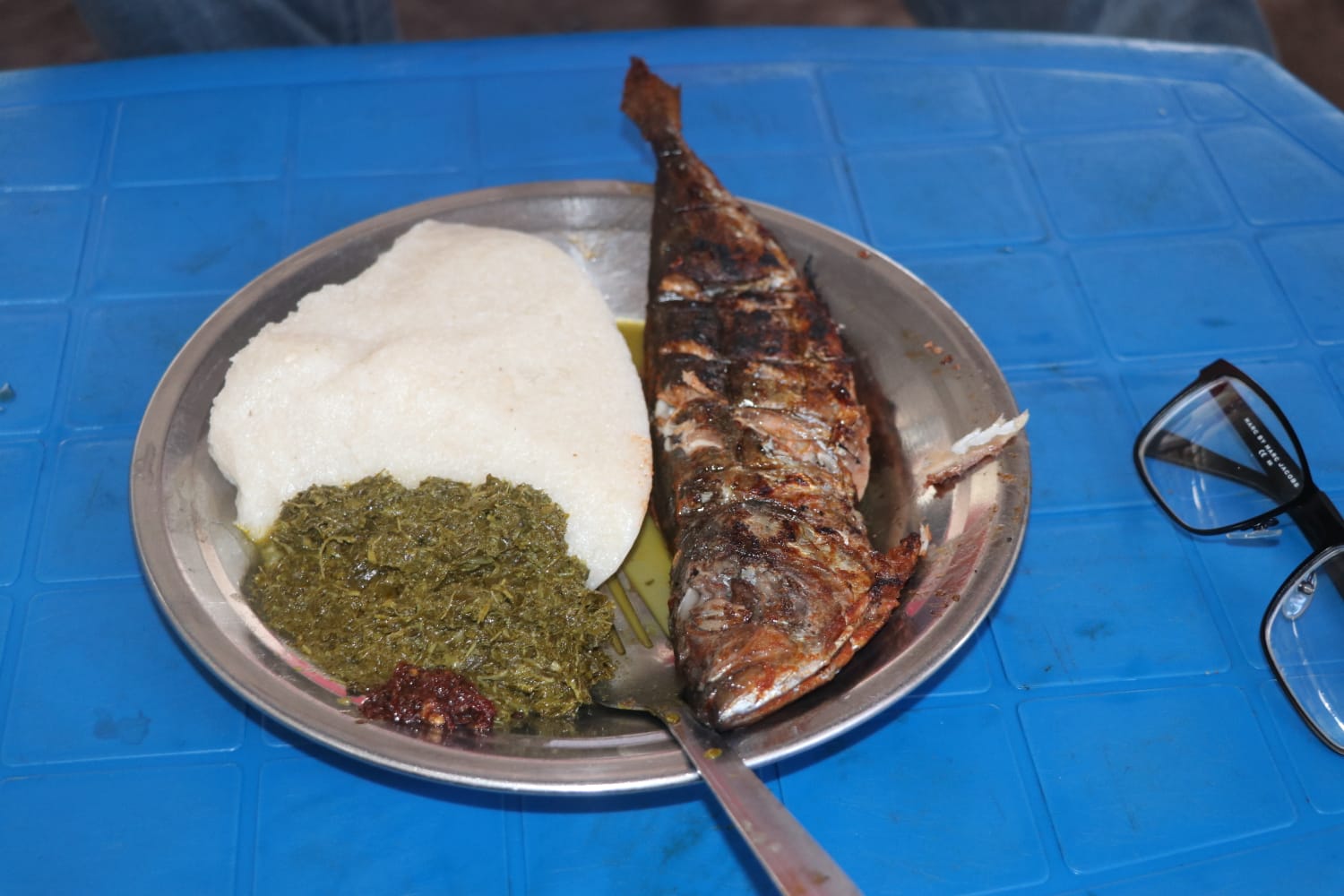
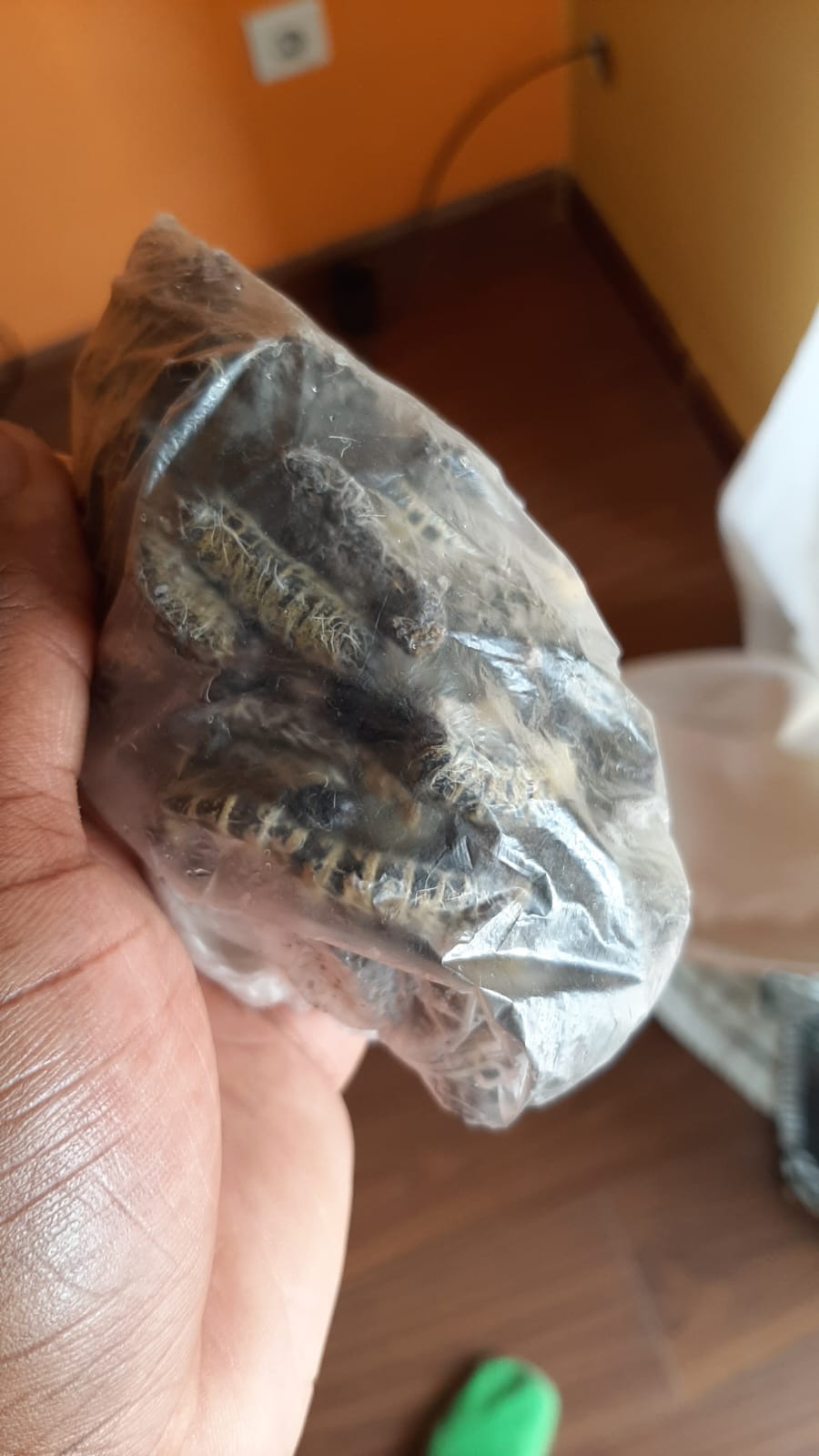
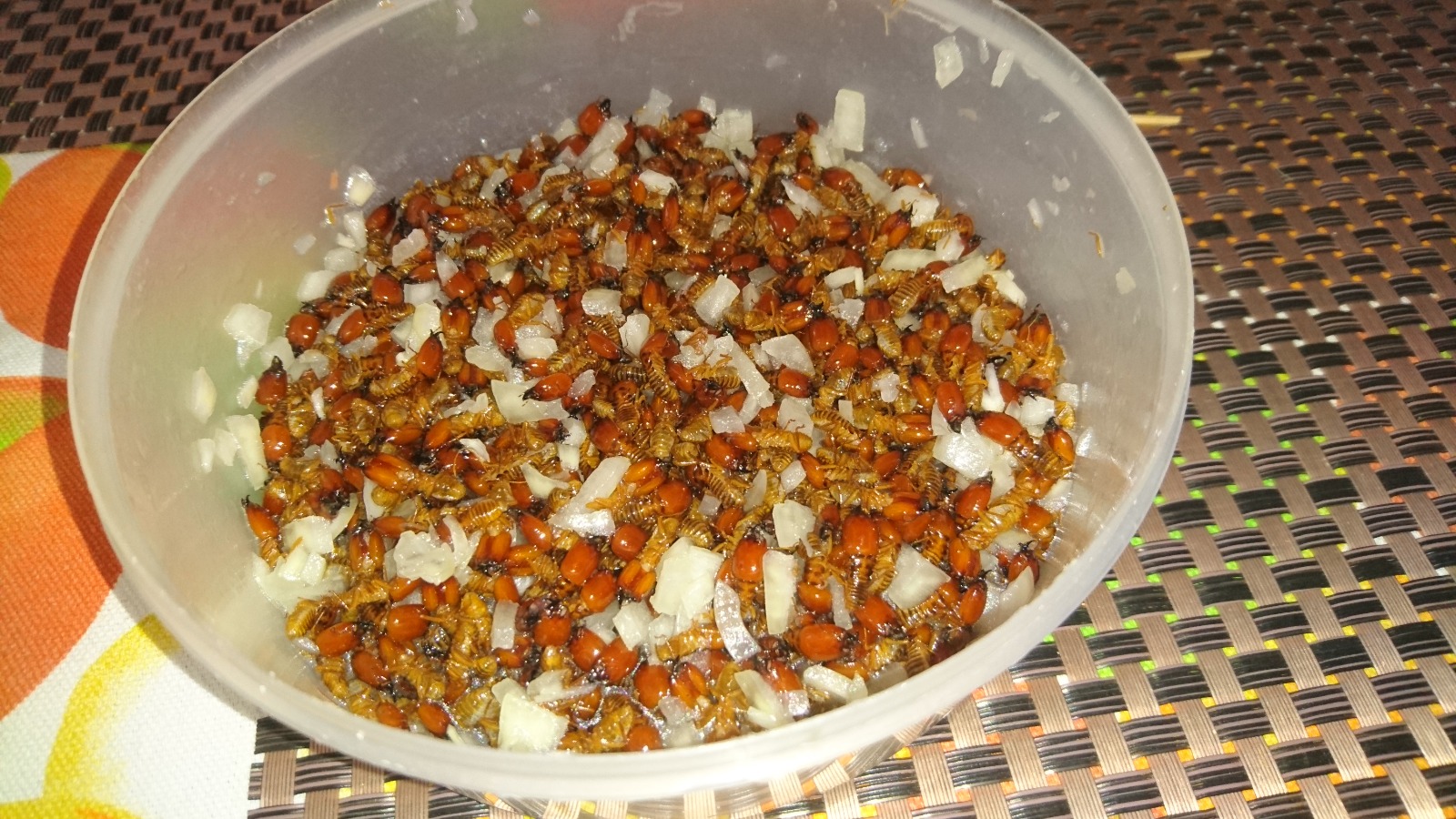
Angolan cuisine changes from province to province. Funge, an African swallow made of cassava flour, is the national staple and is commonly eaten with dishes such as muamba, calulu, grilled fish, kizaca, gimboa, and other regional molhos and vegetables.
A city of contrasts
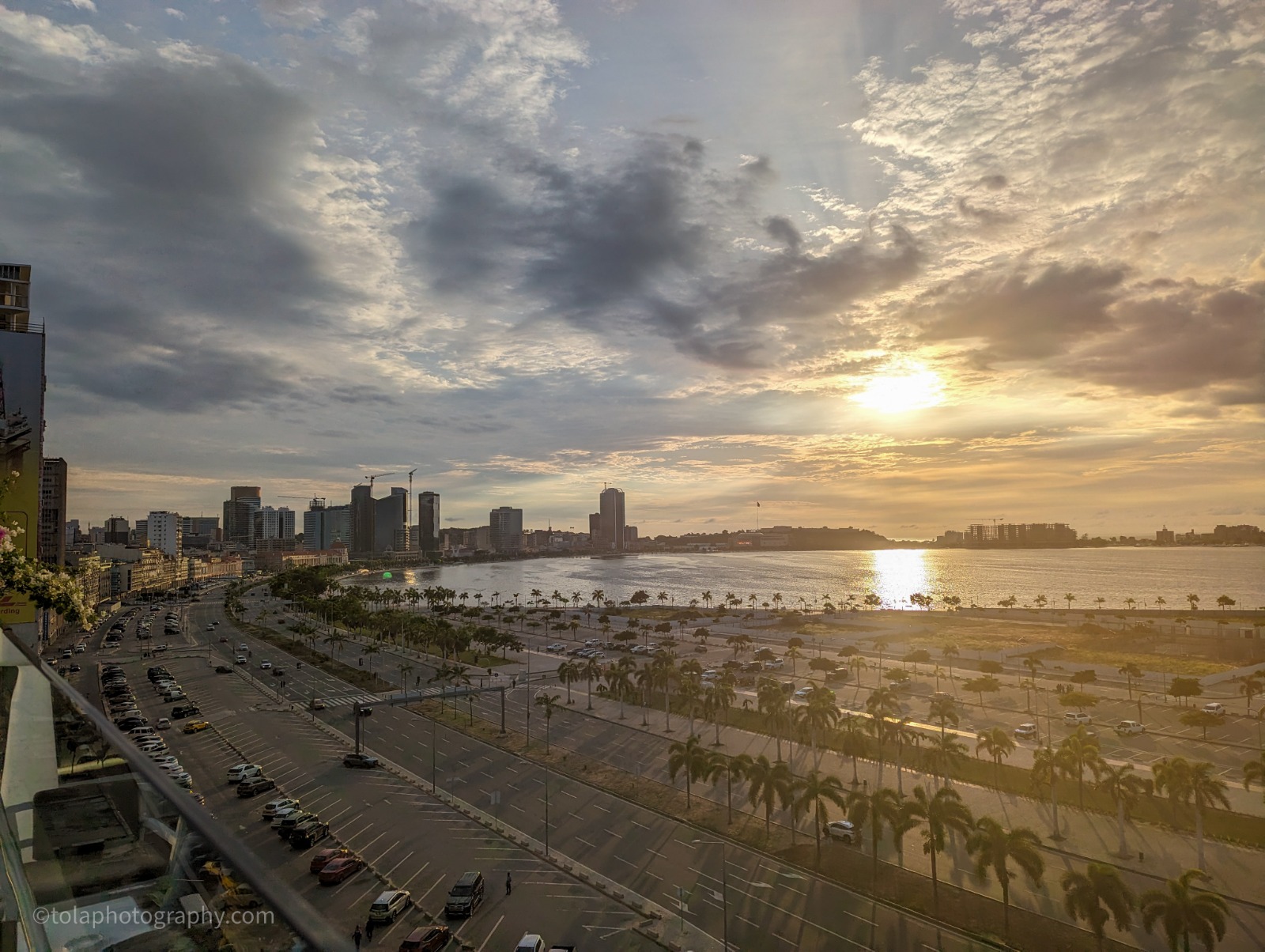
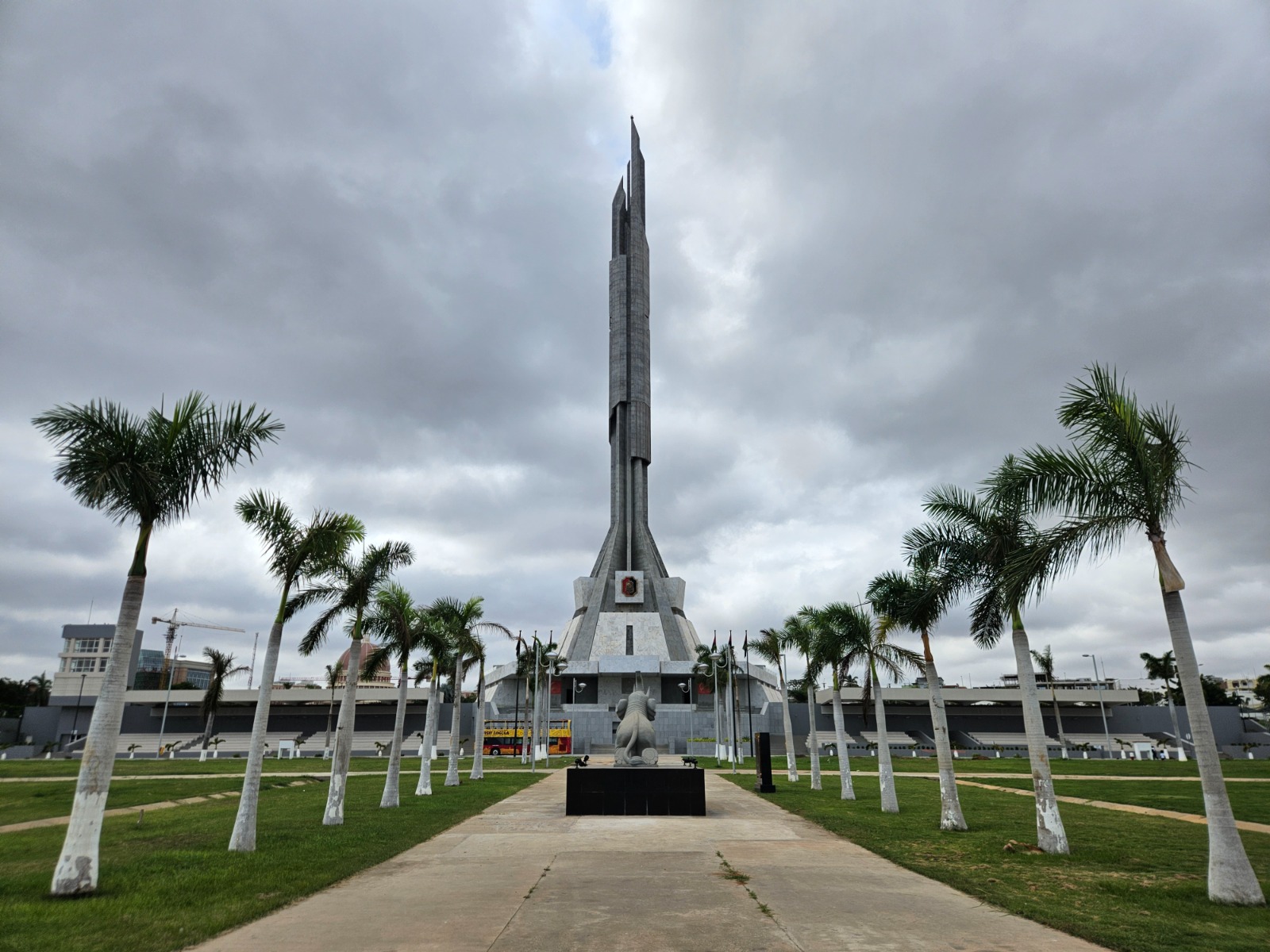
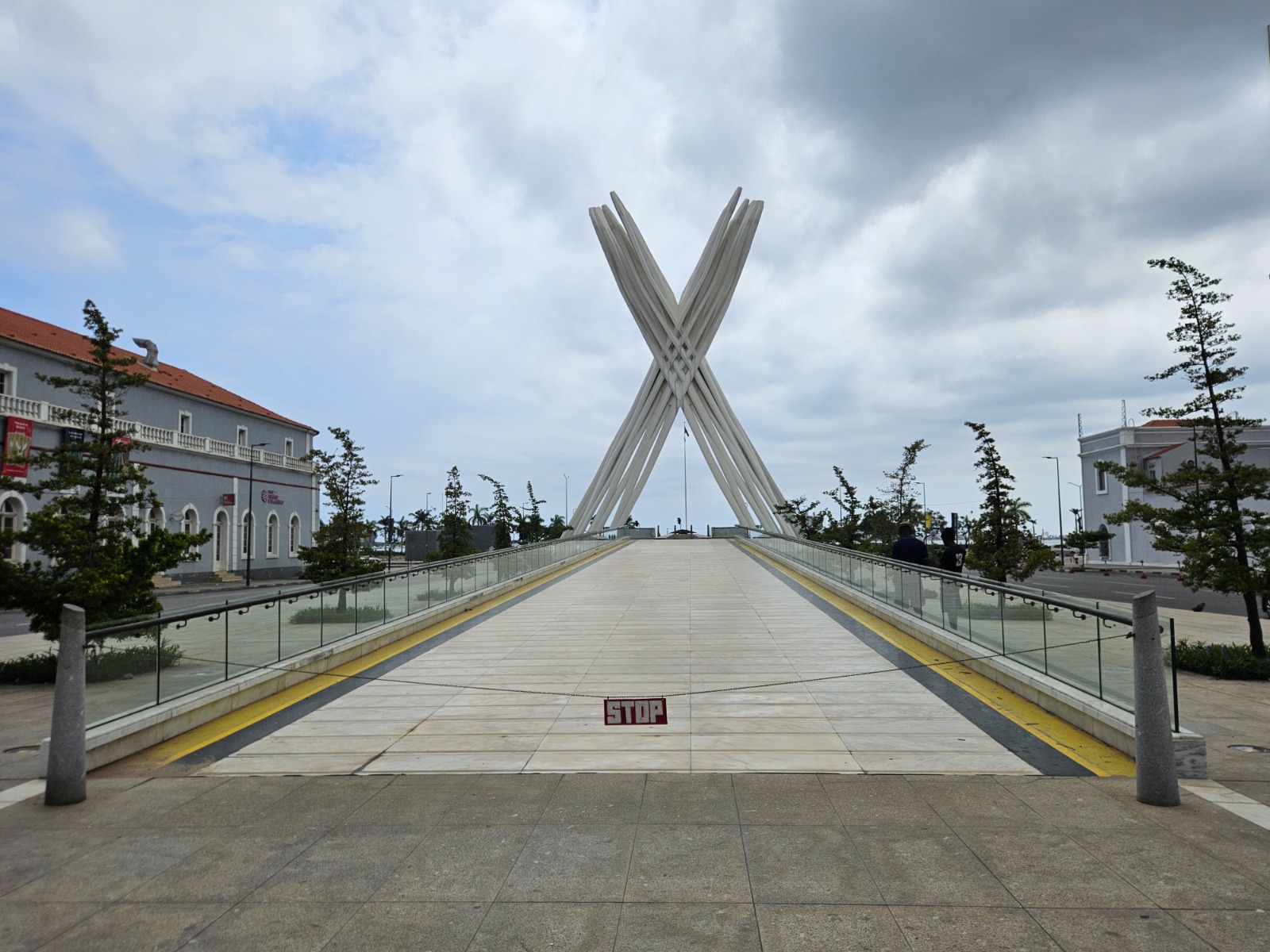
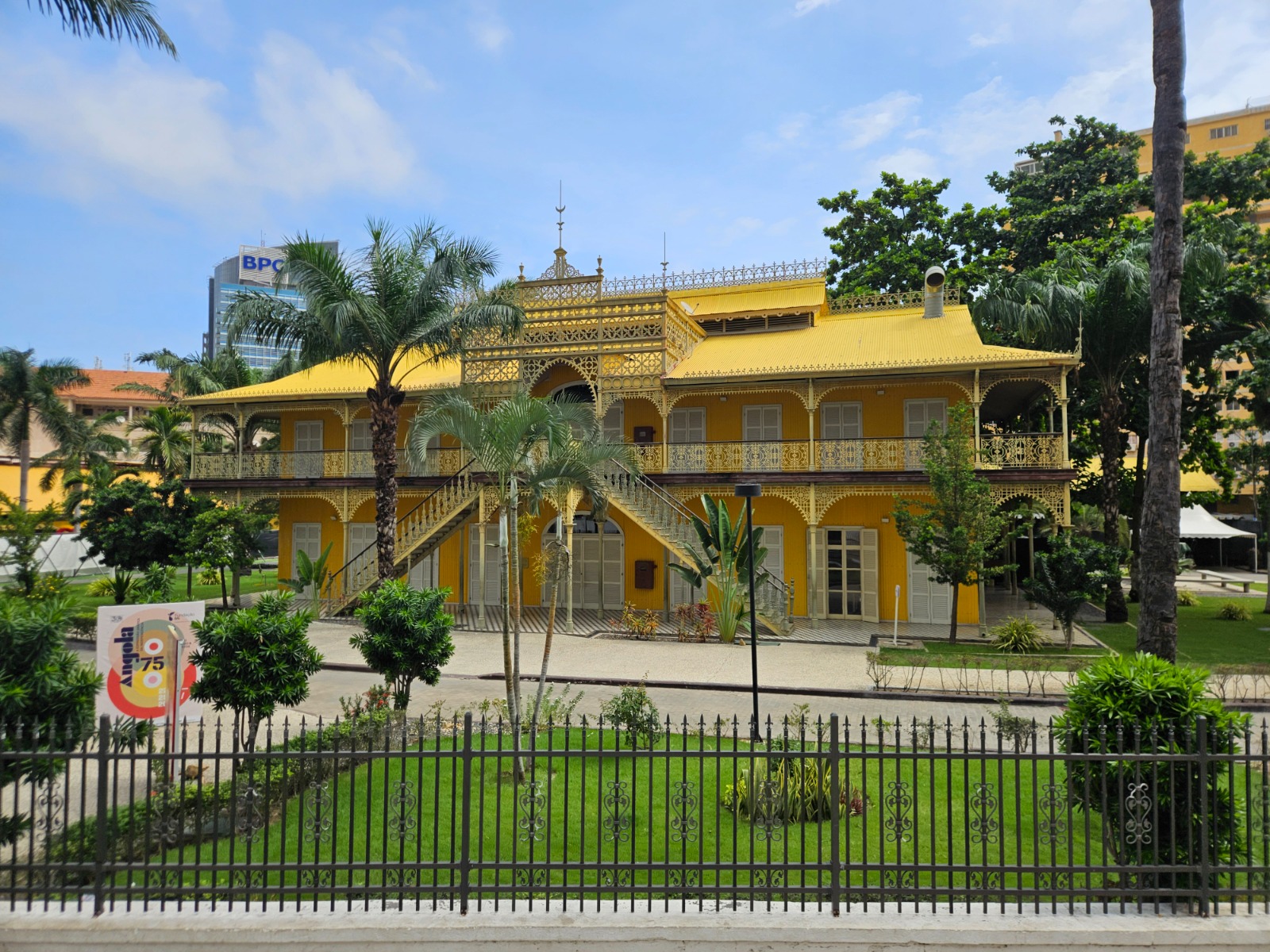
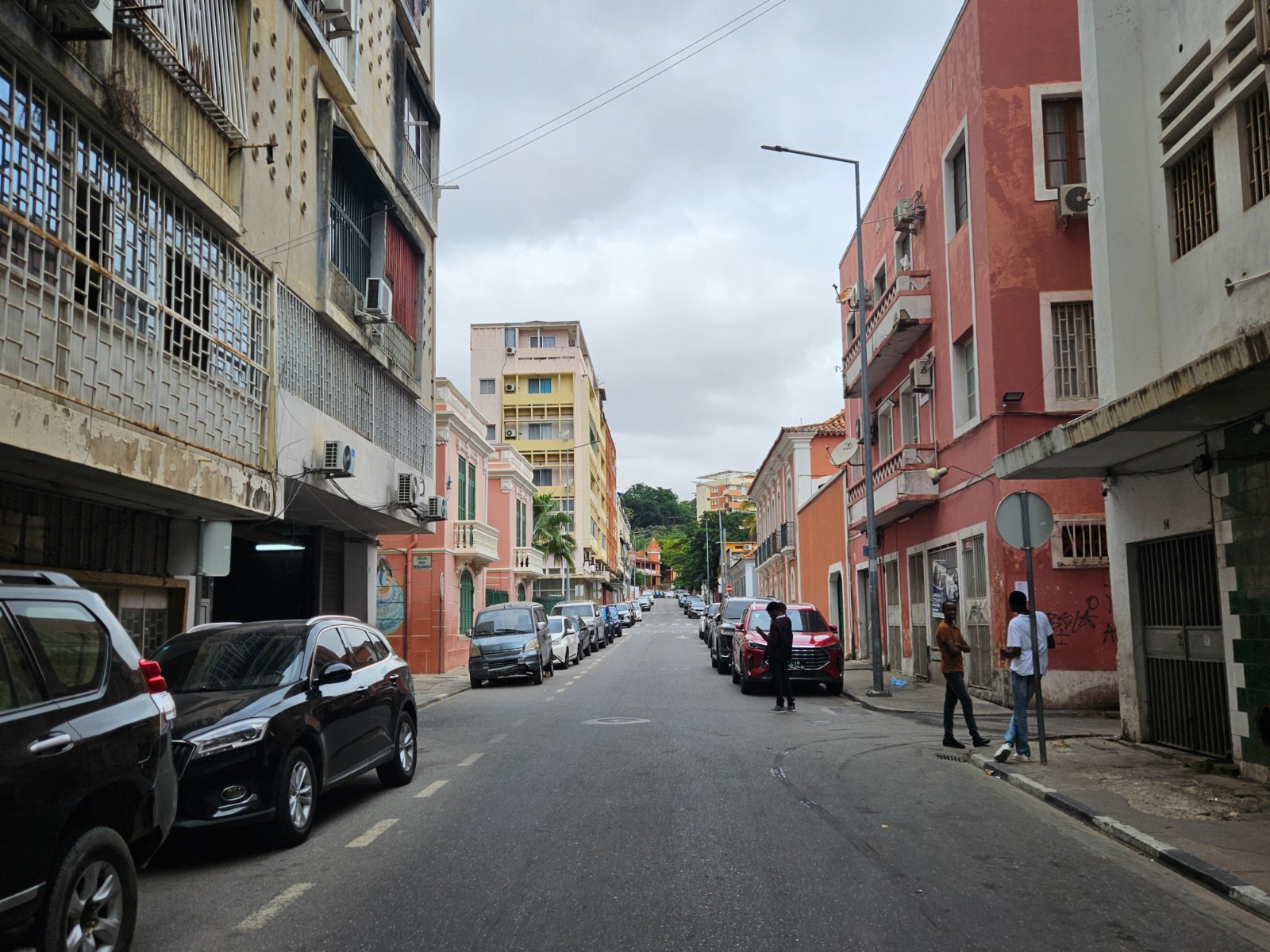
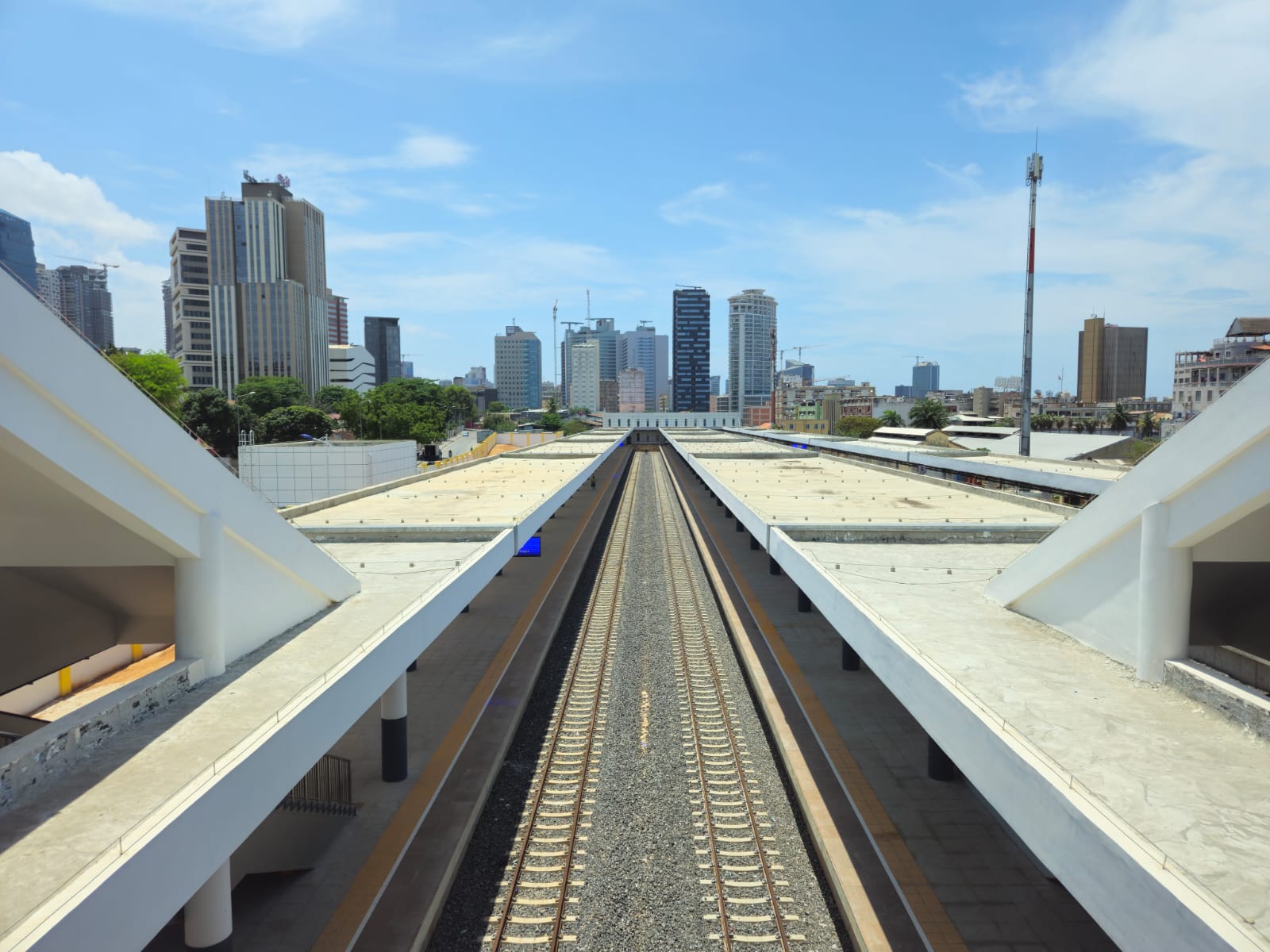
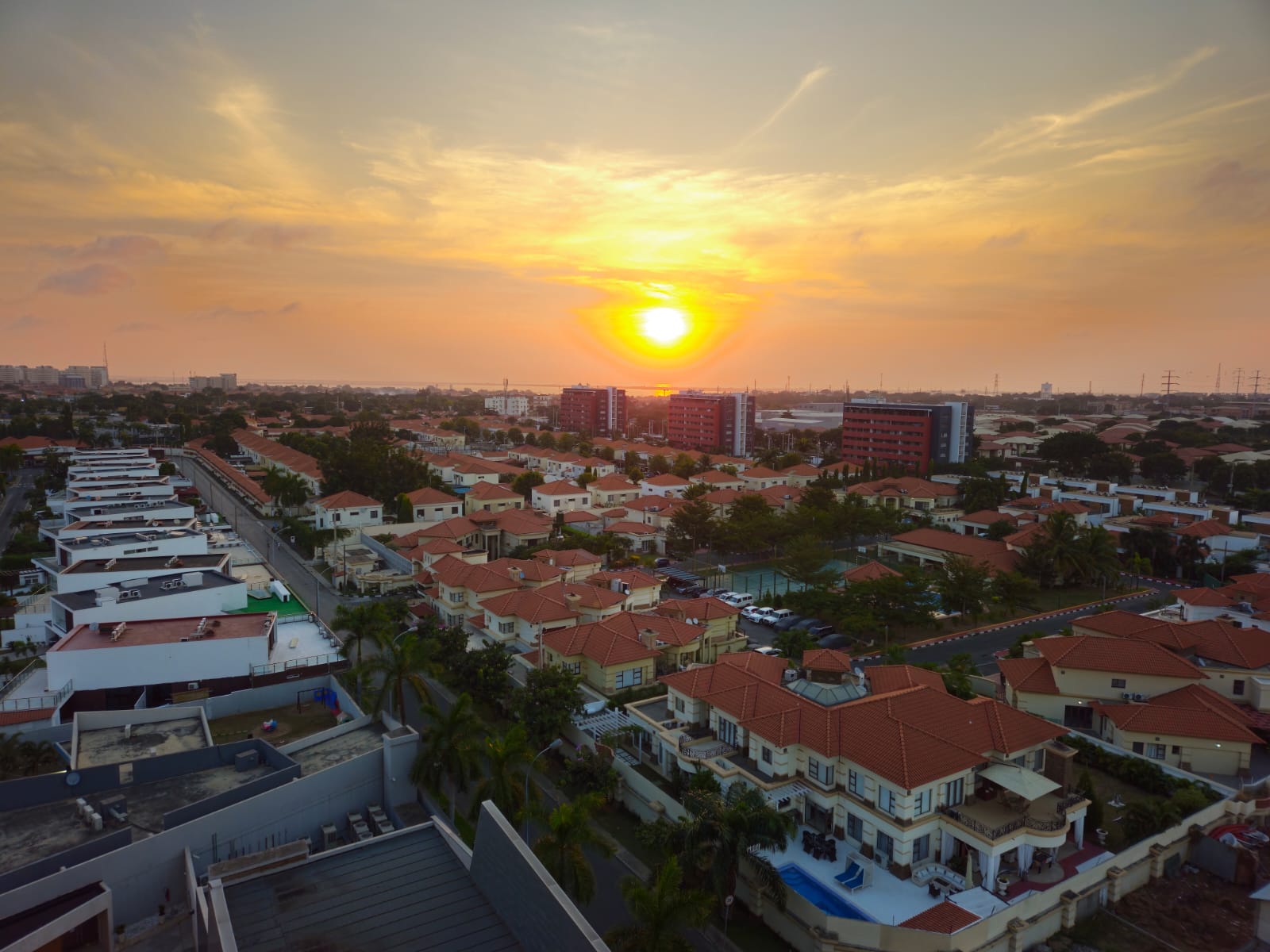
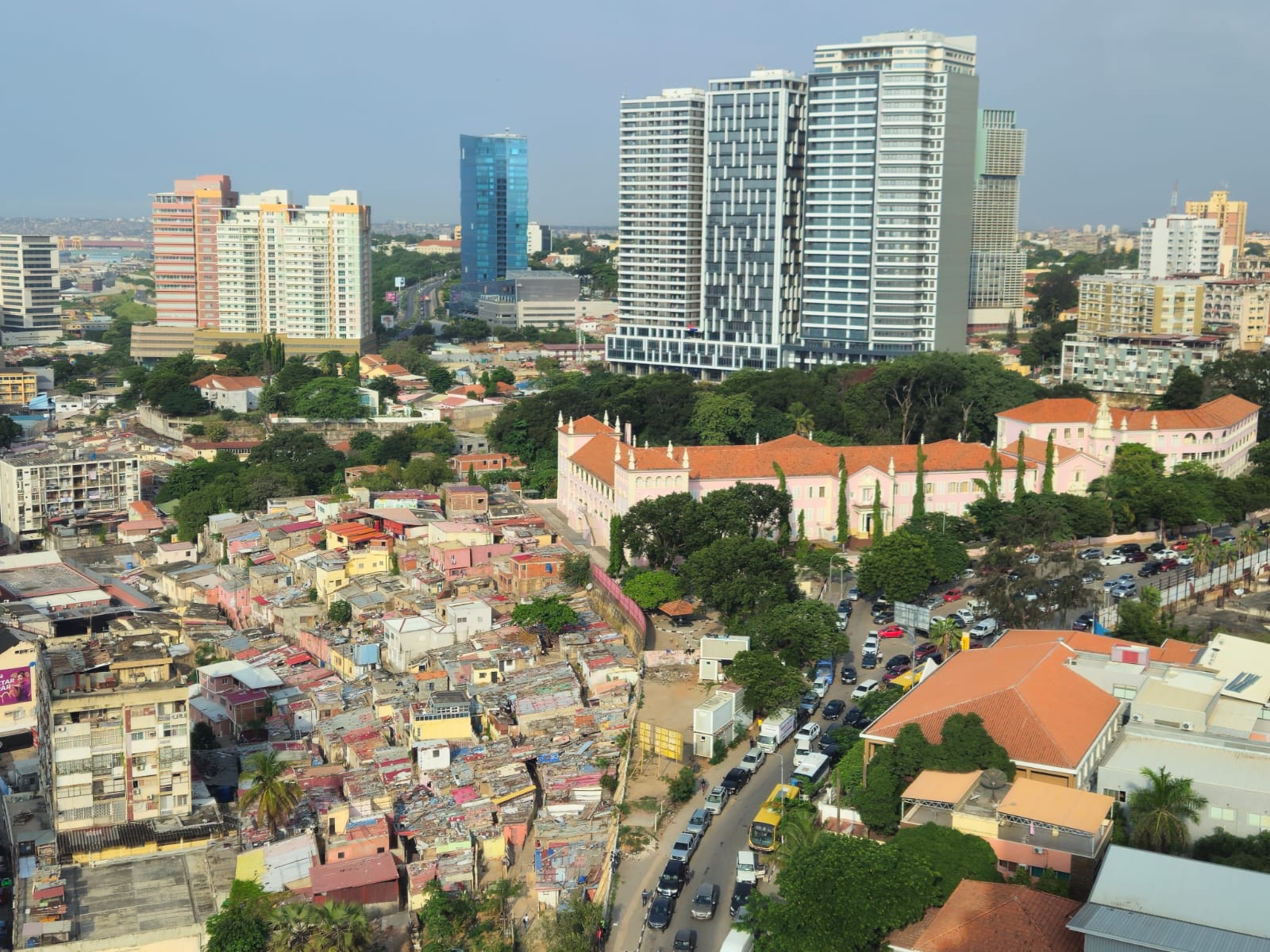
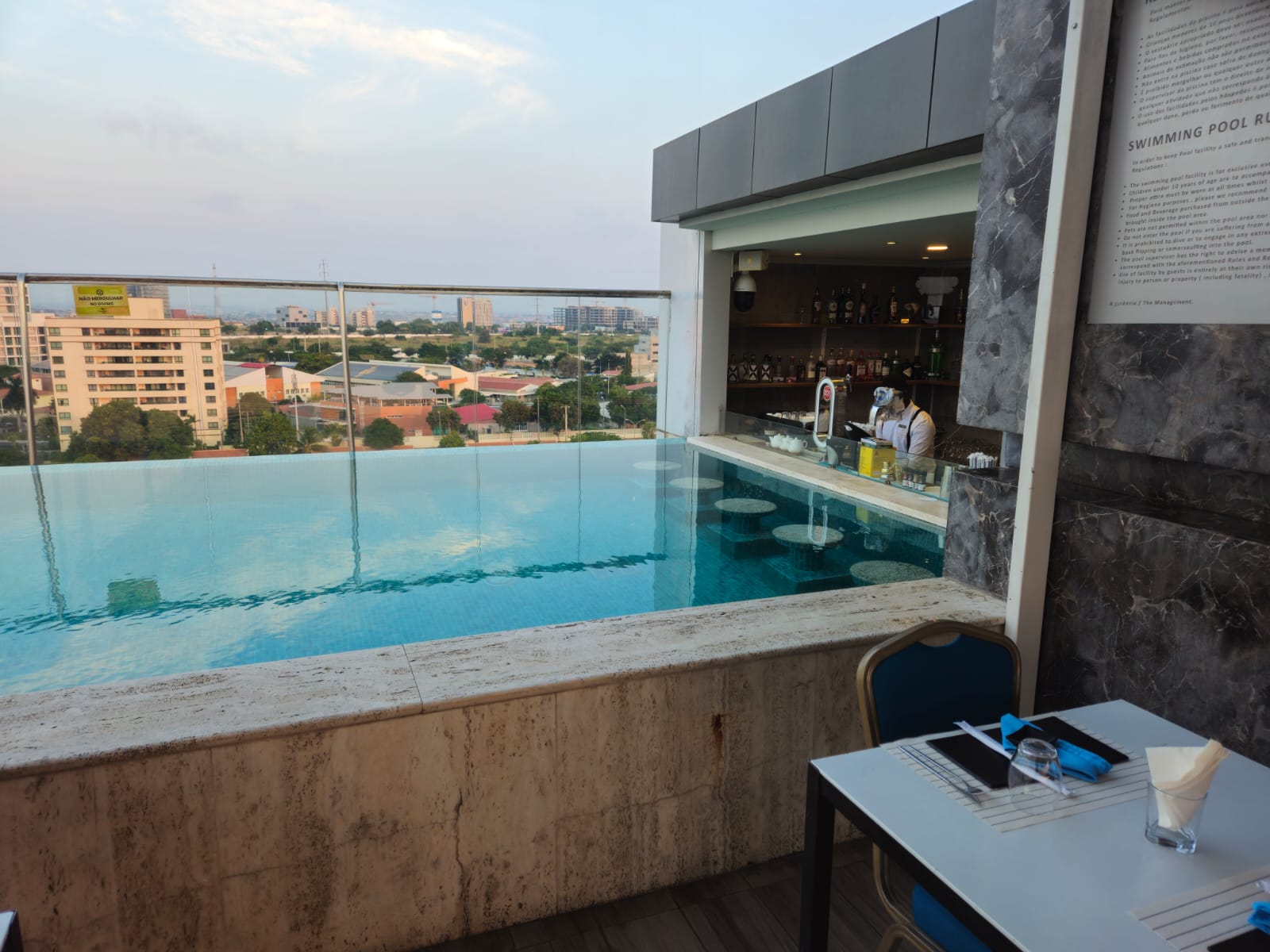
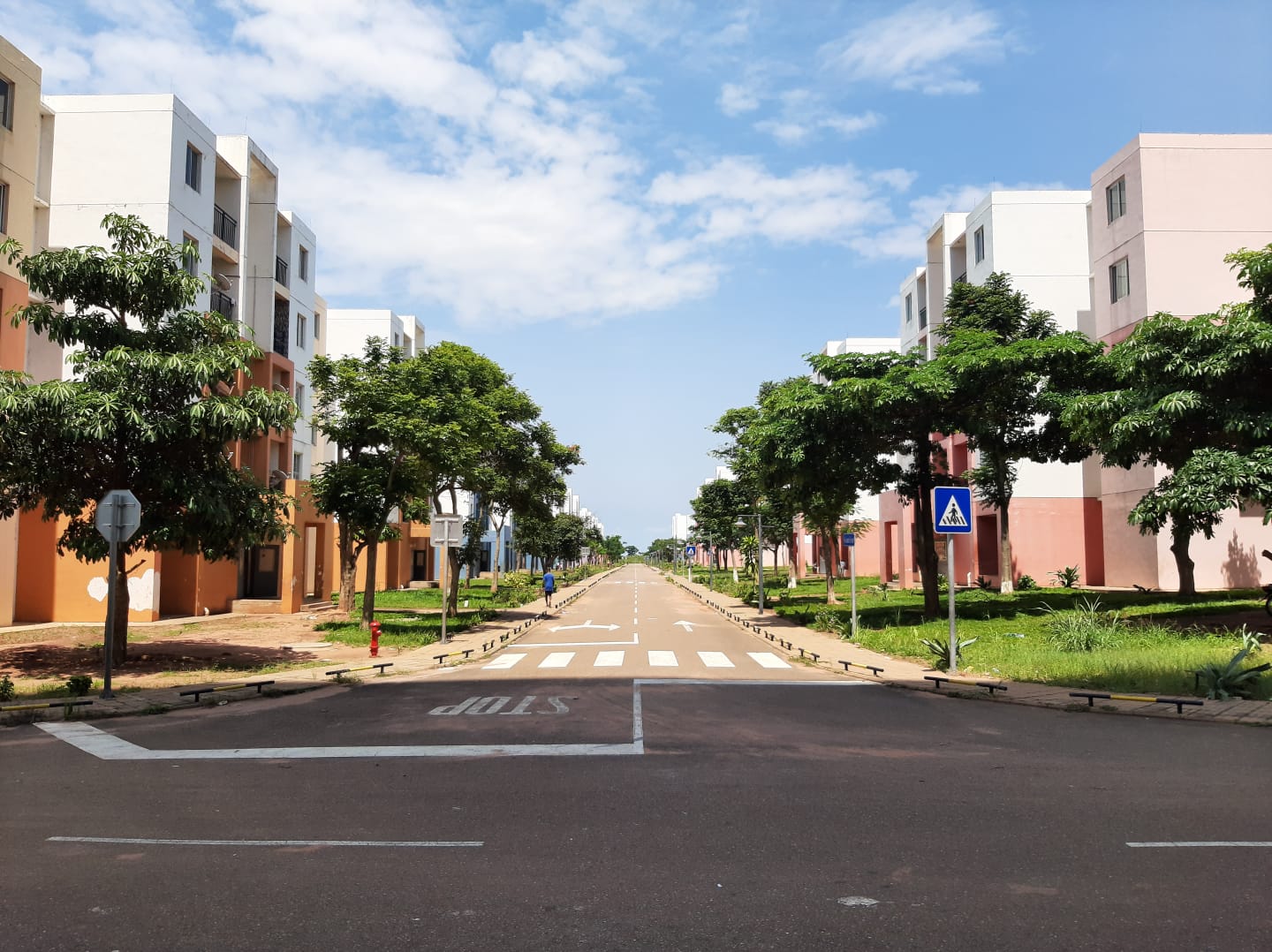
The capital, Luanda combines modern towers, luxury condominiums, colonial architecture, informal neighbourhoods, beaches, nightlife, and fast urban development, making it one of the most visually contrasting capitals in Africa.
Music and celebration
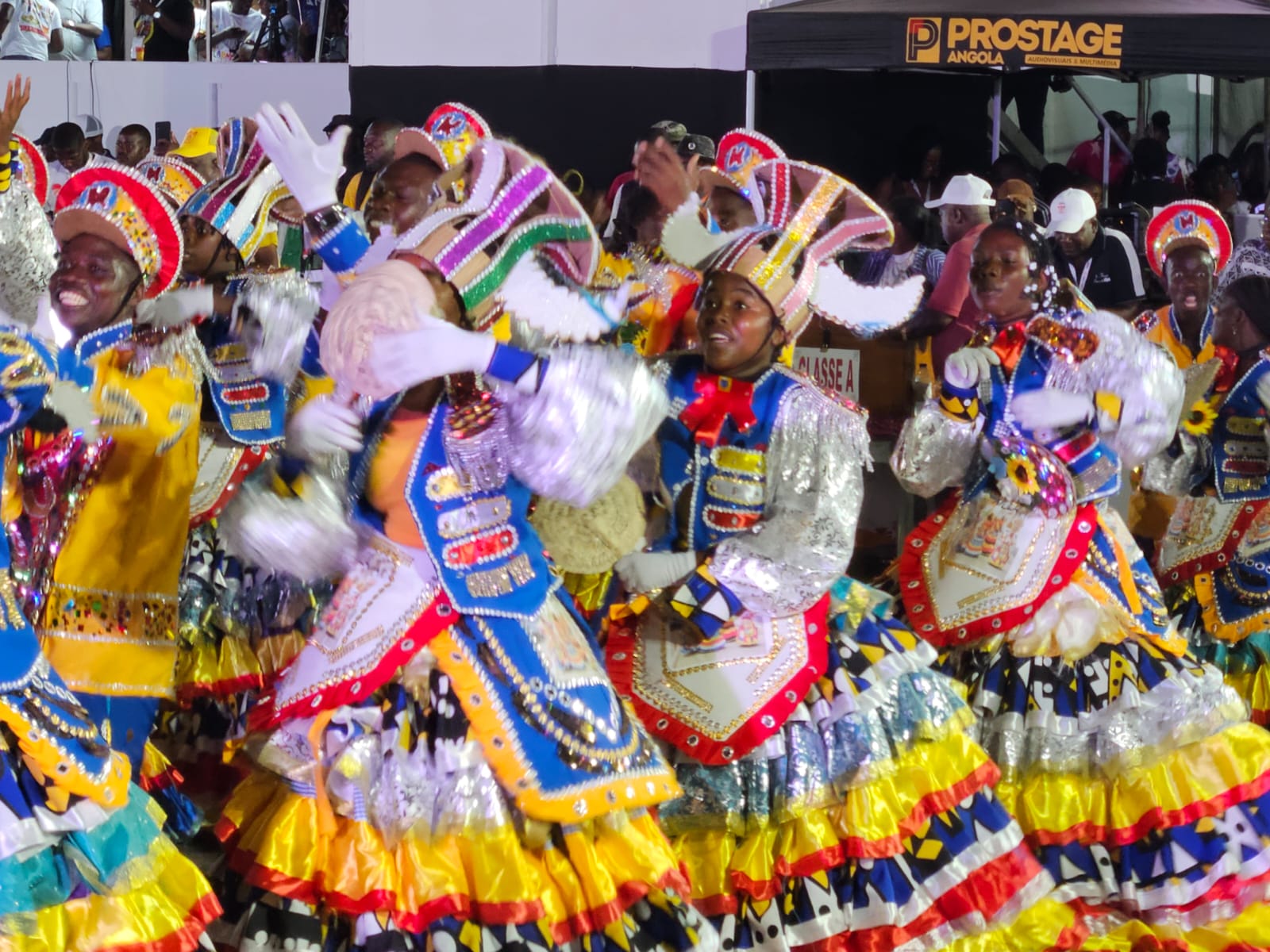
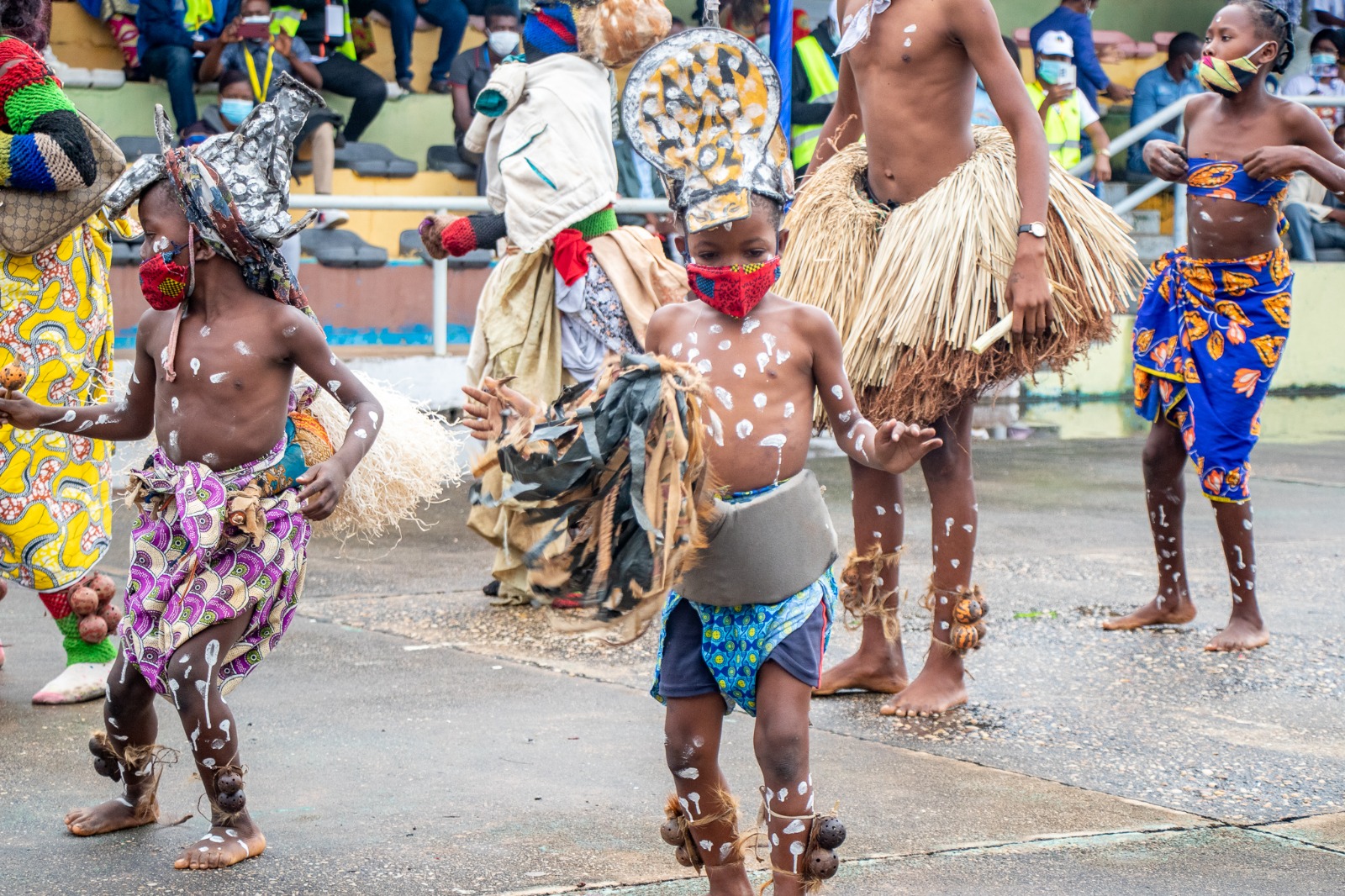
Music is central to Angolan life. Semba, kizomba, kuduro, and carnival traditions are connected to the country’s cultural identity and are especially visible during Carnival celebrations every February or March.
A visual journey through Angola
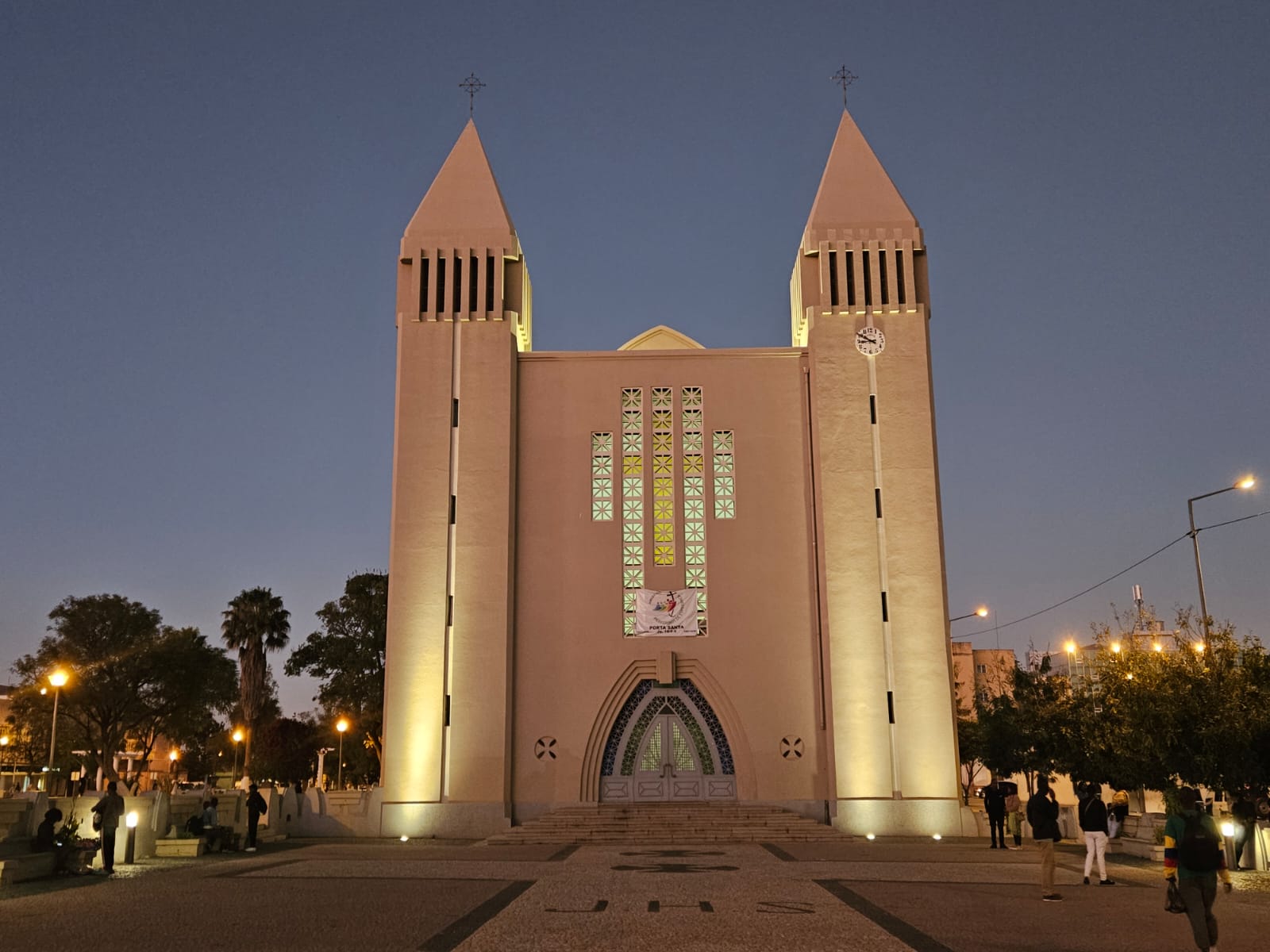
Luanda
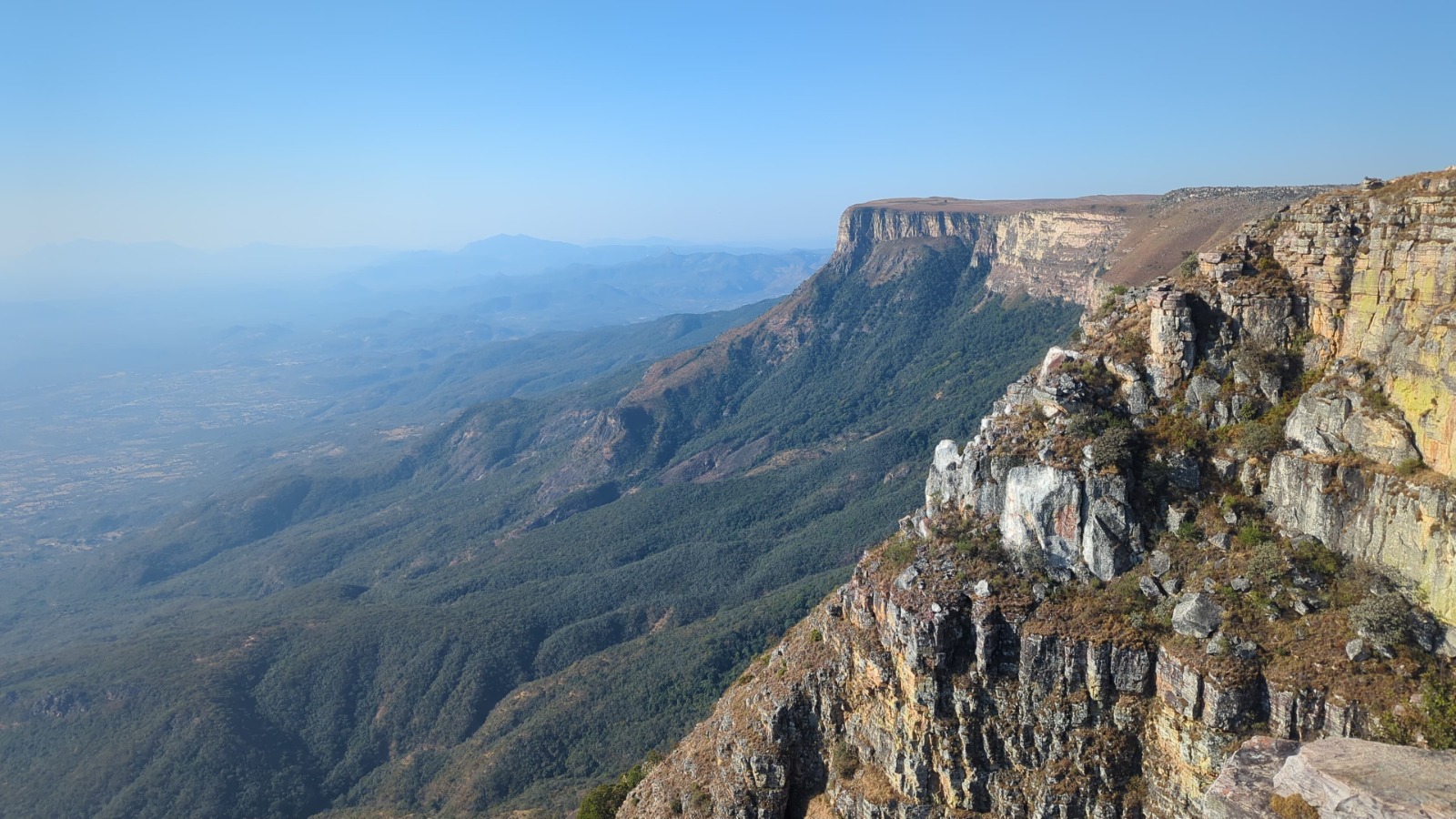
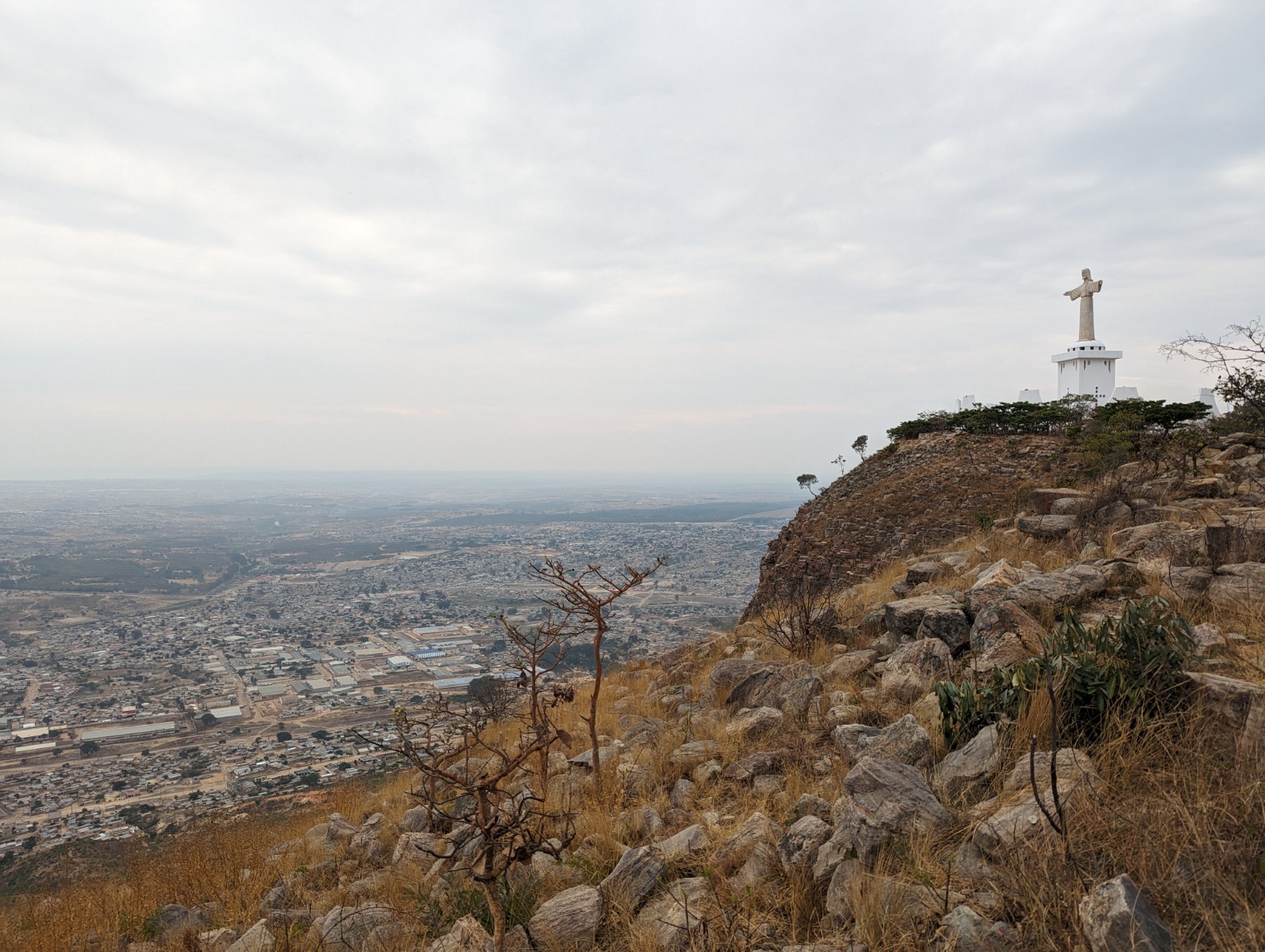
Huíla
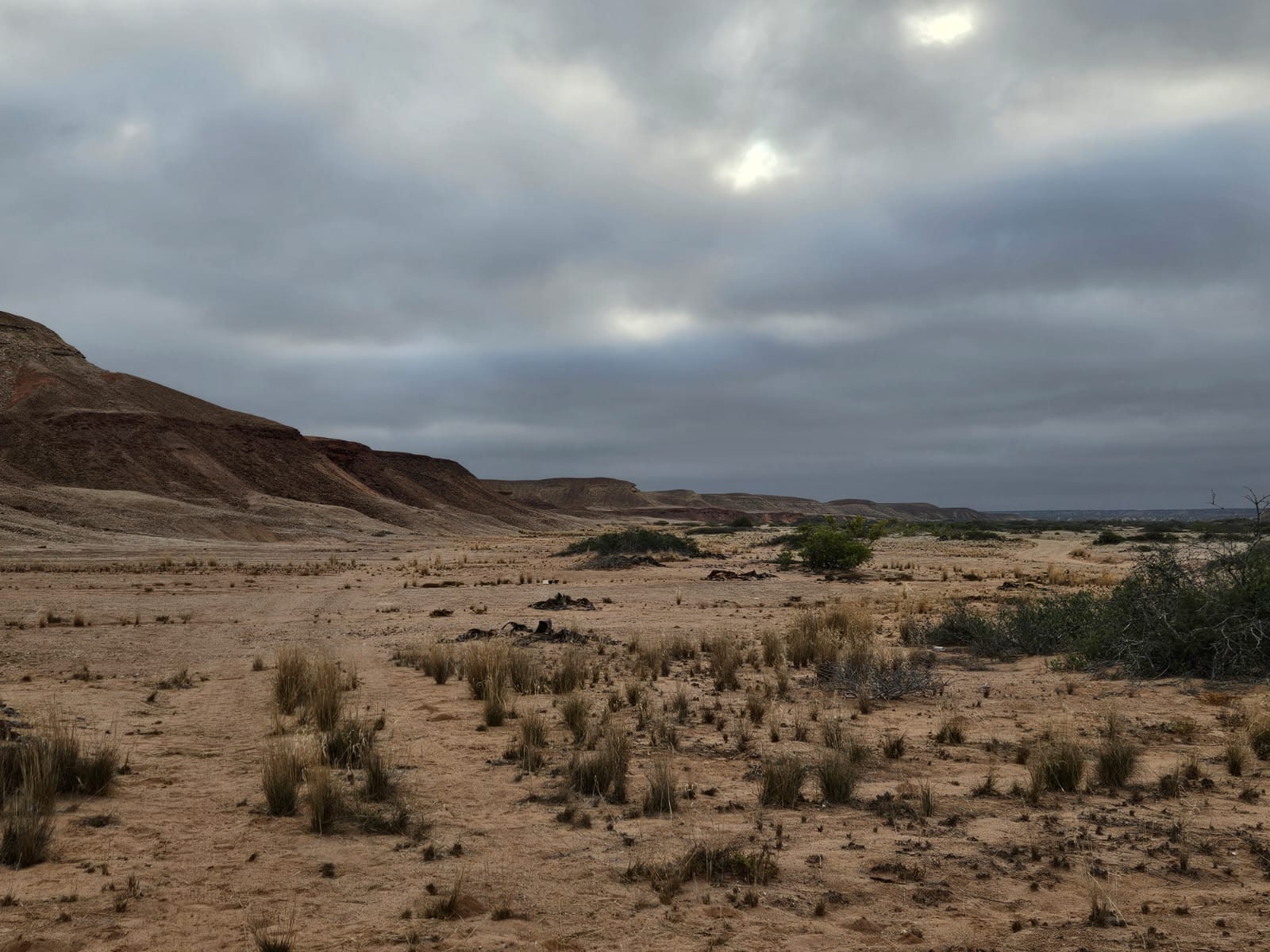
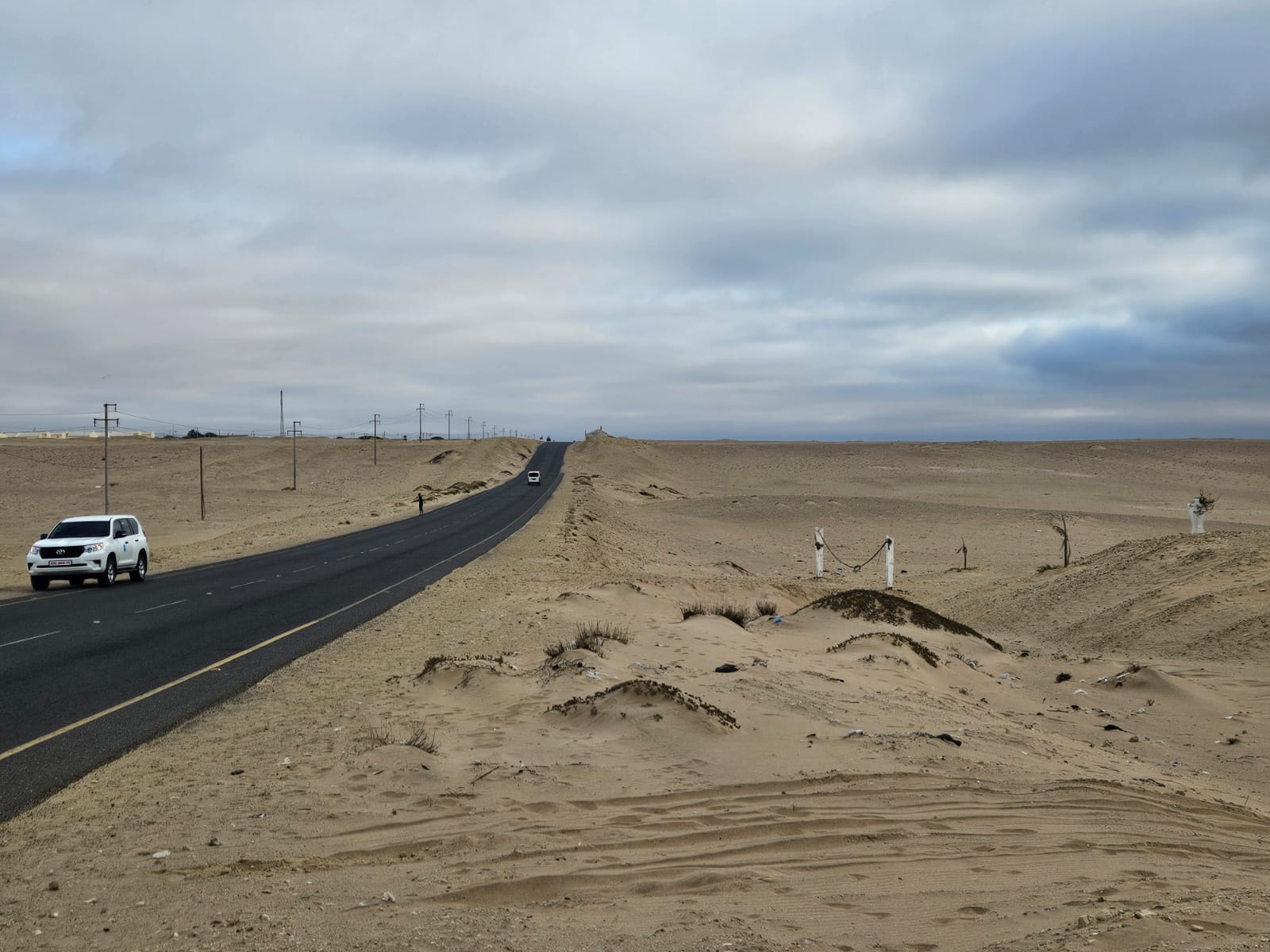
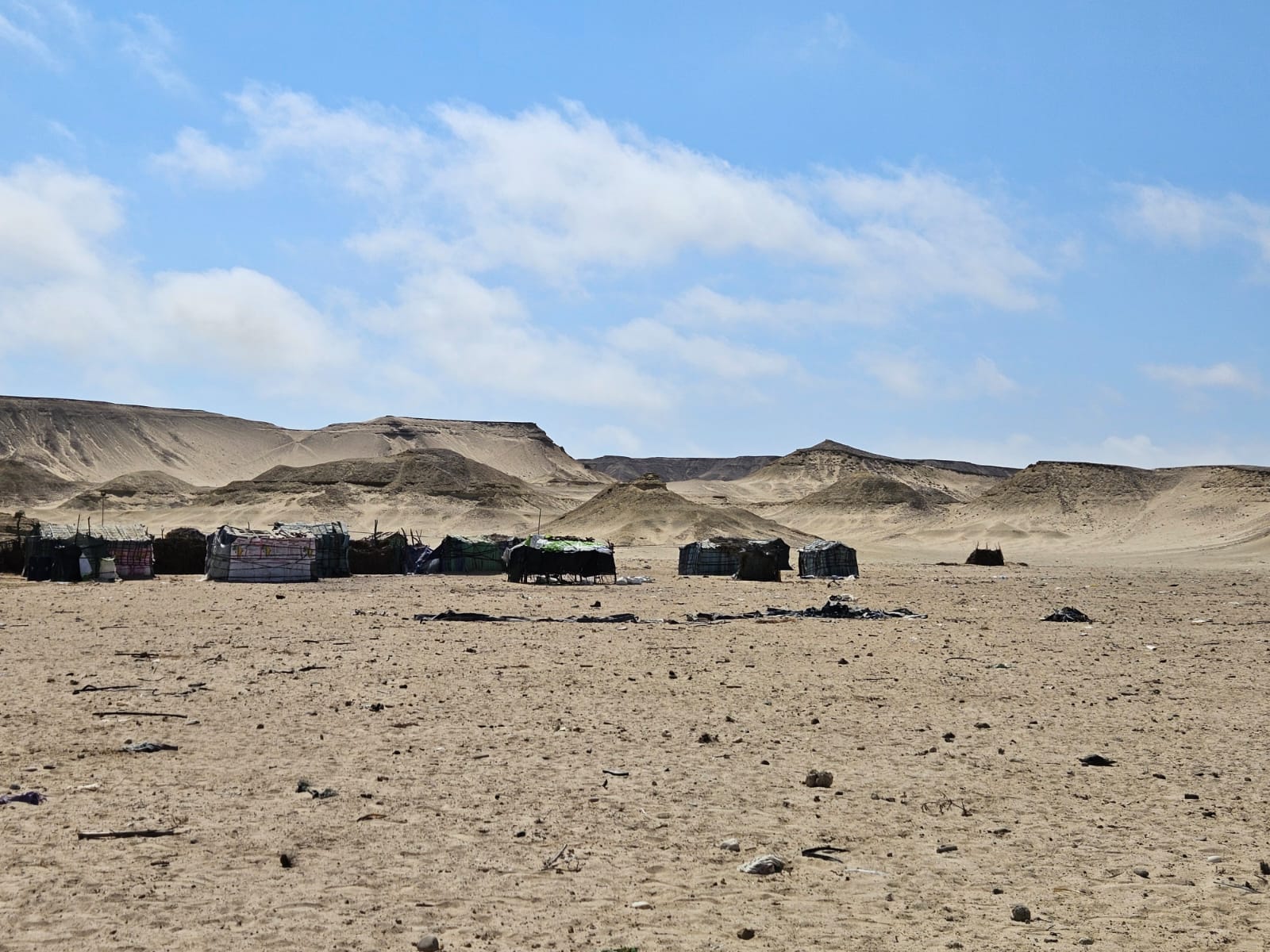
Namibe
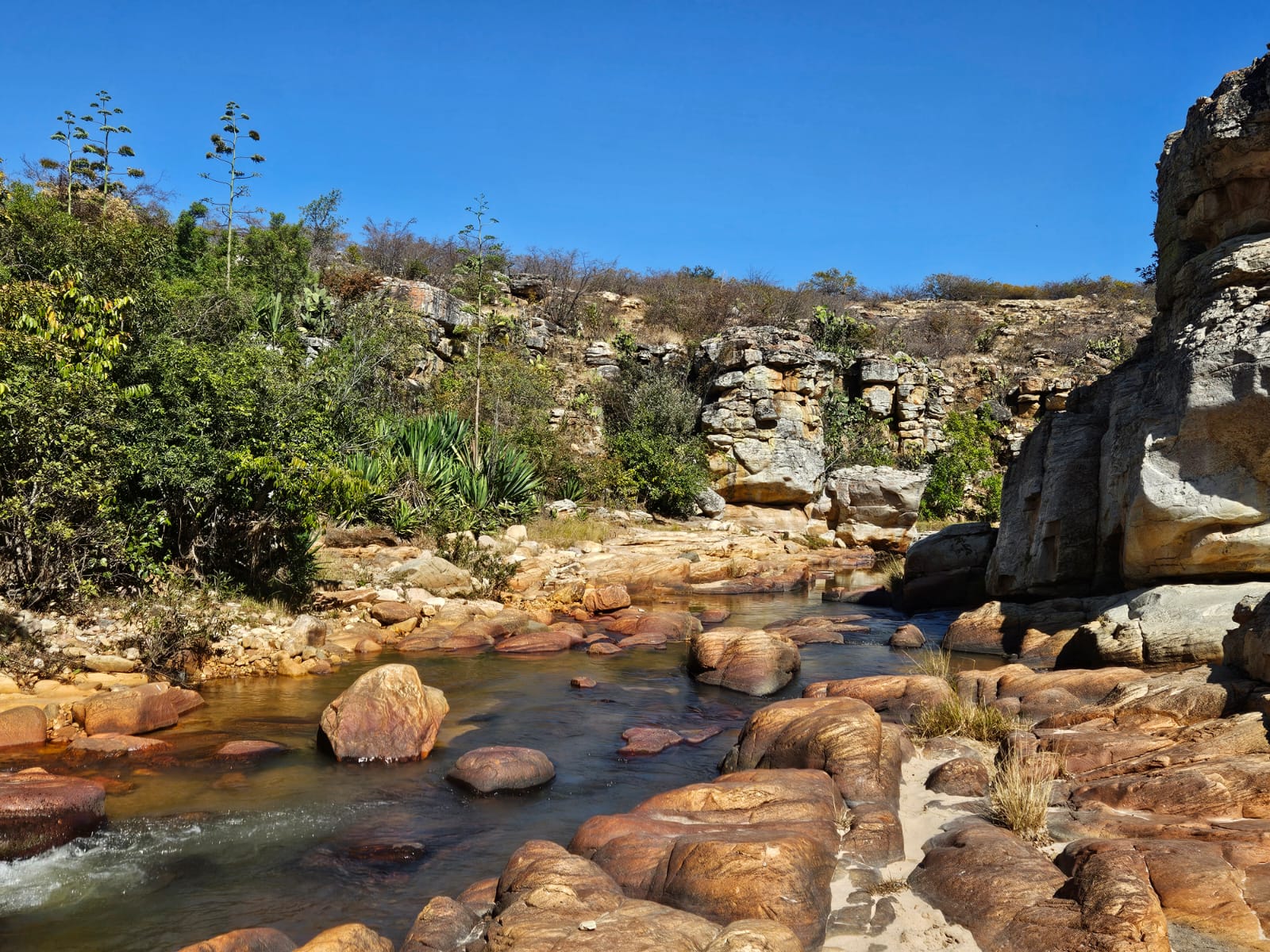
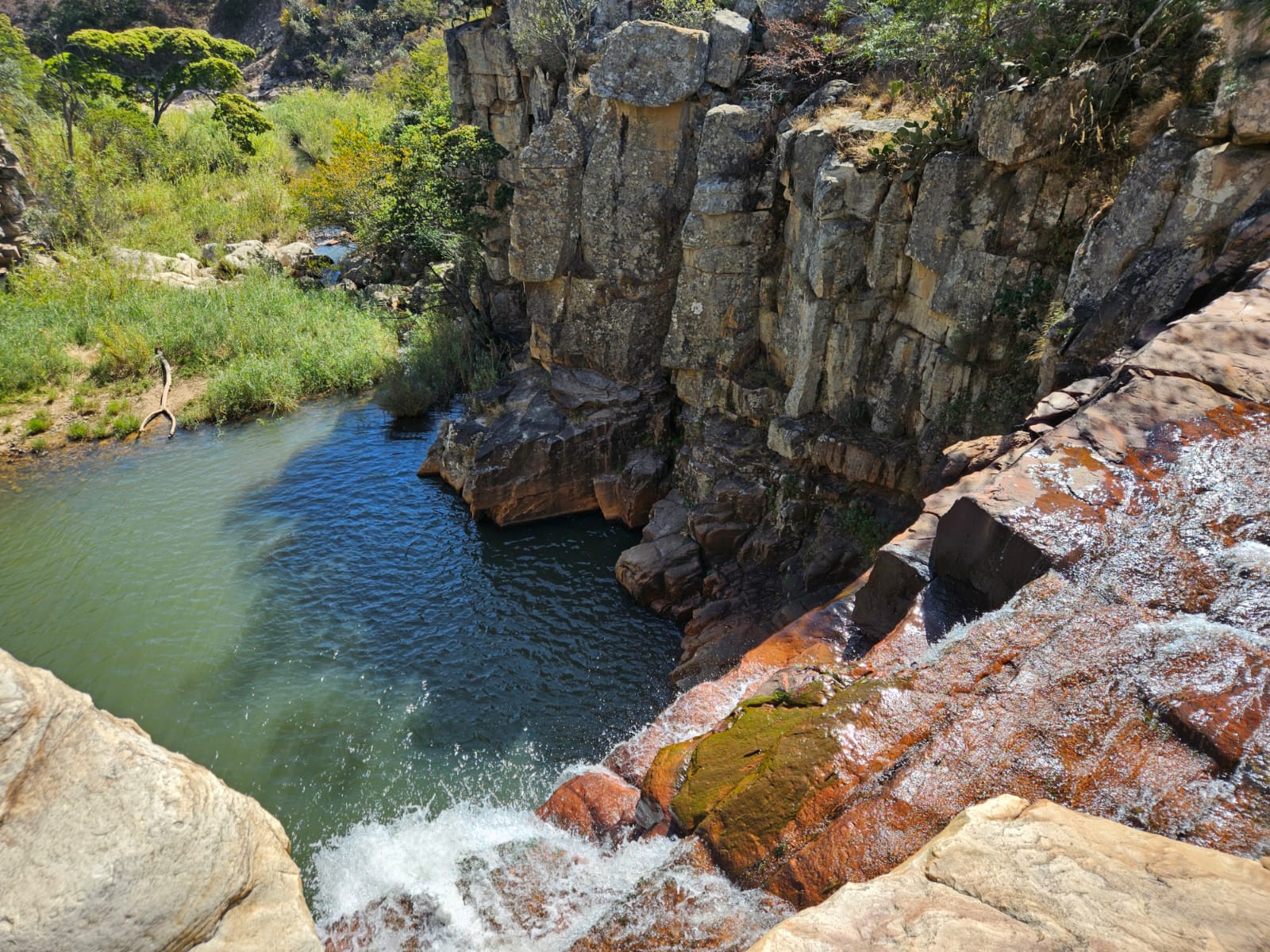
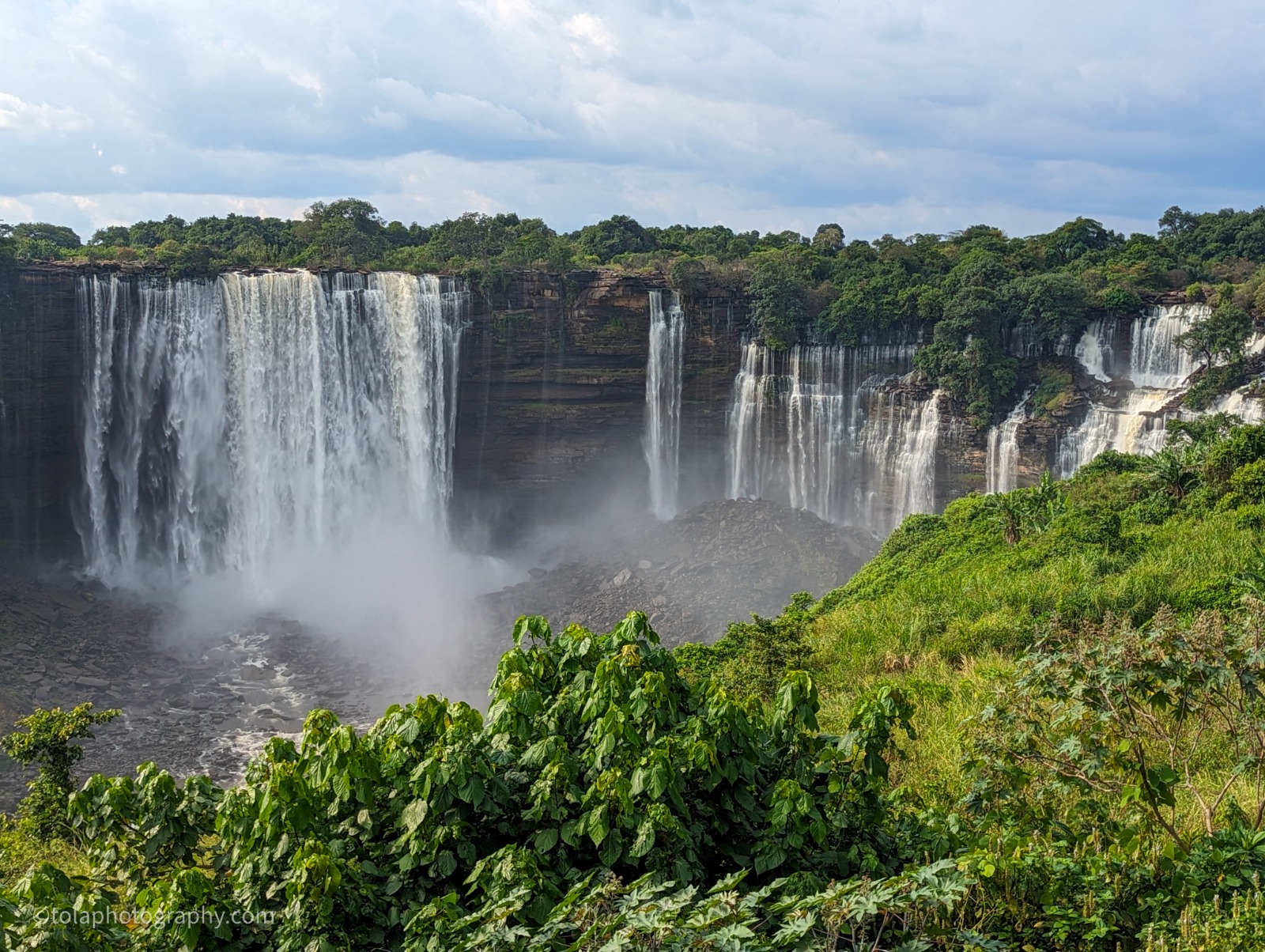
Malanje
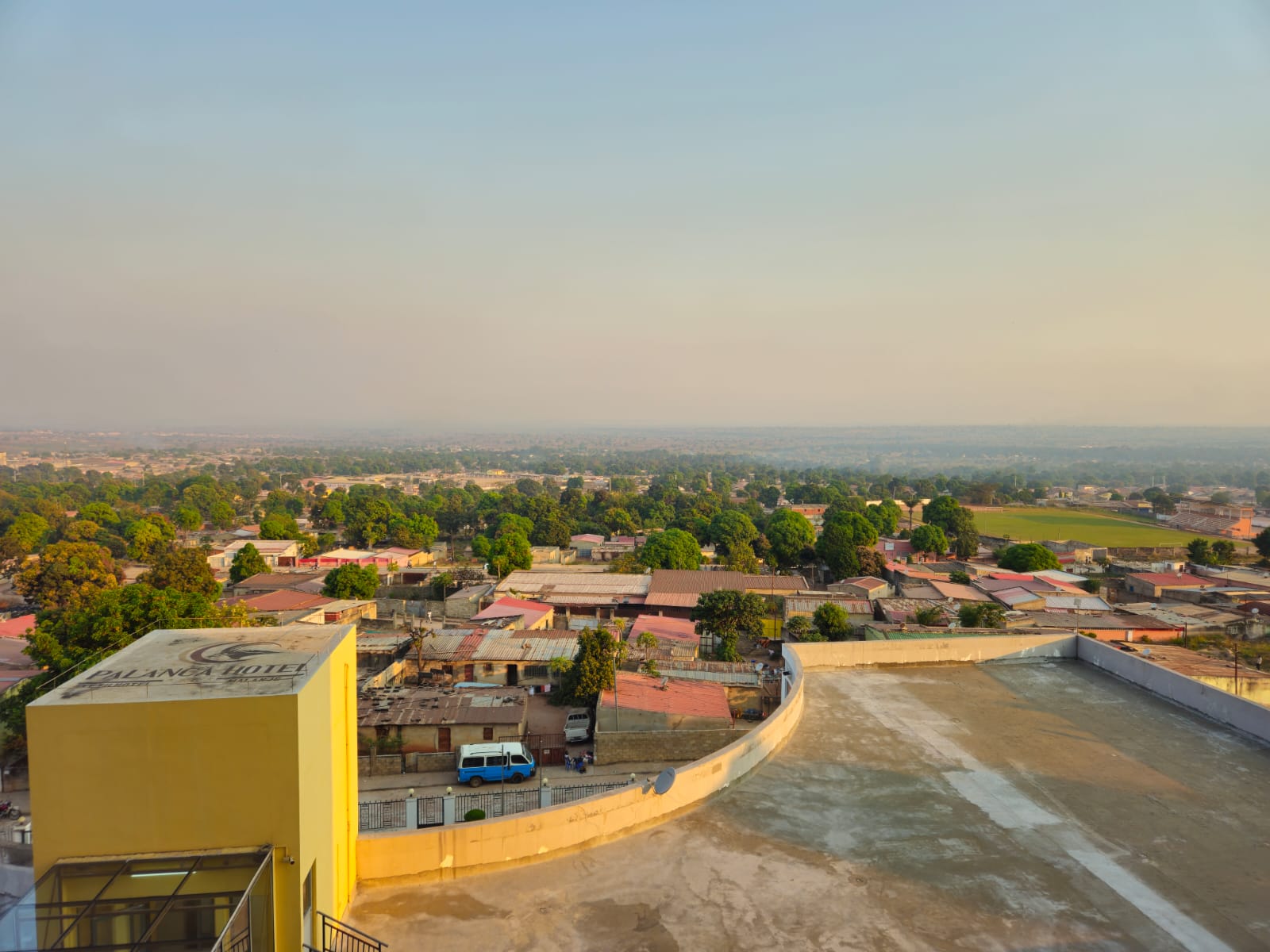
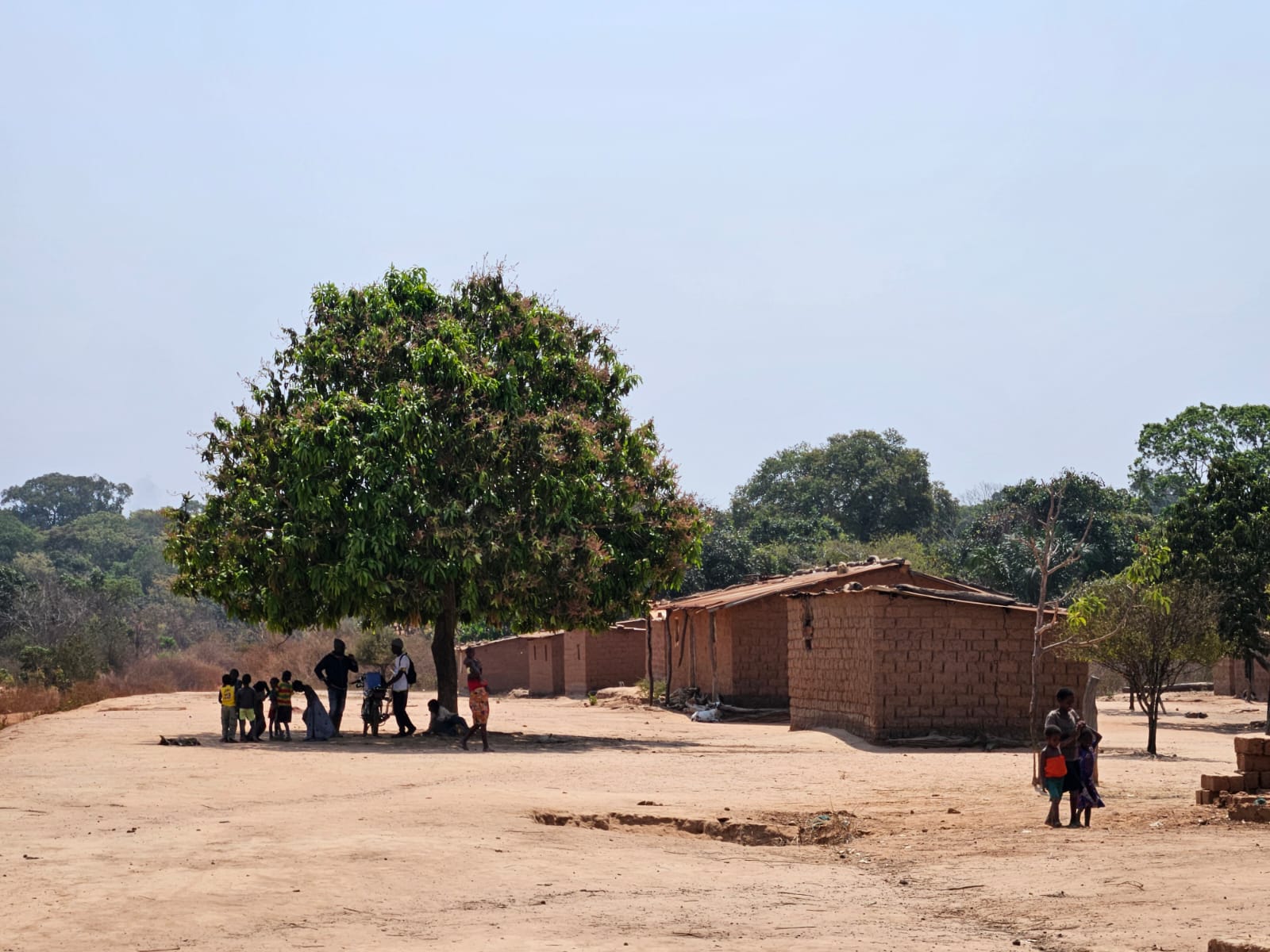
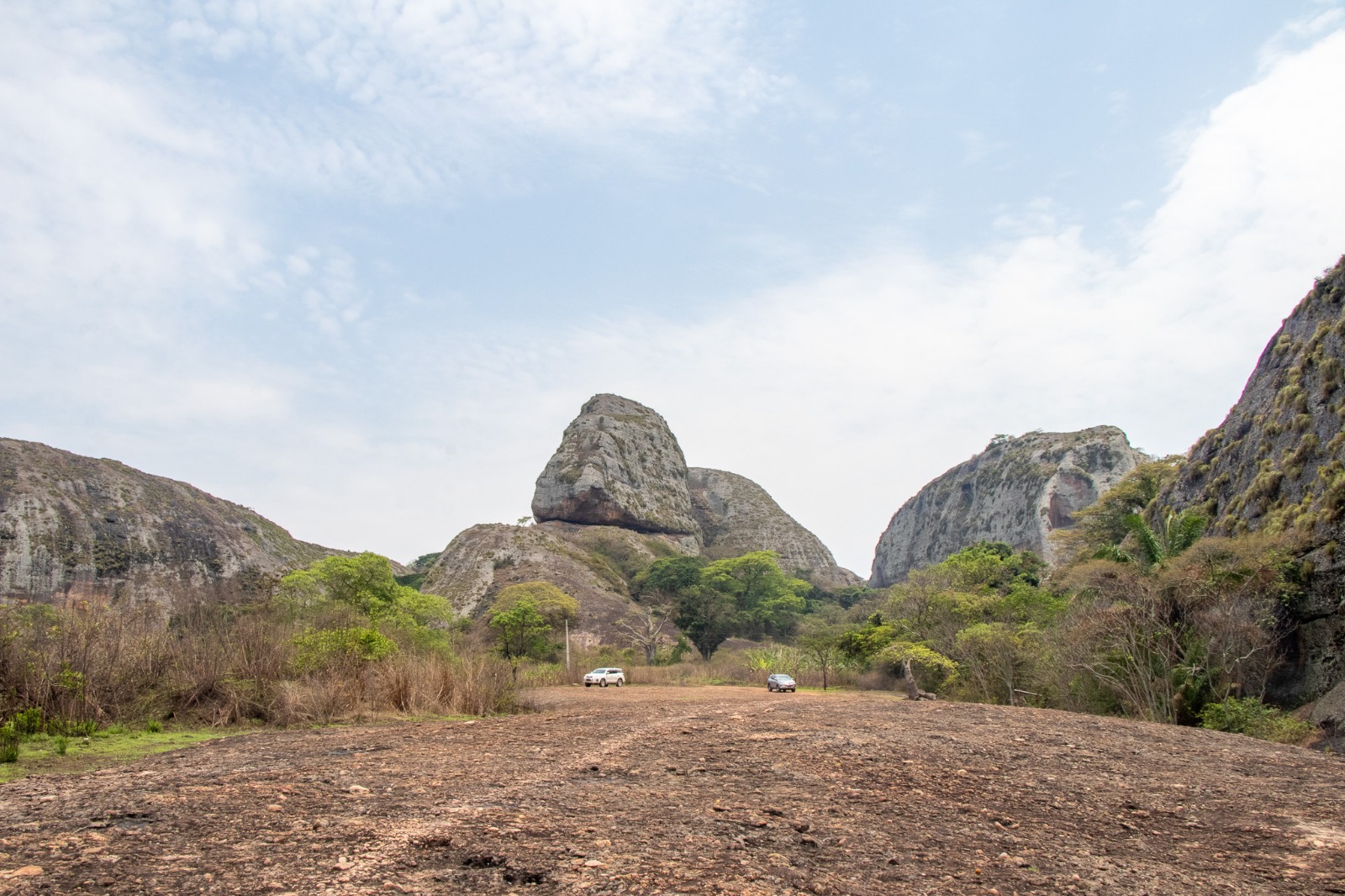
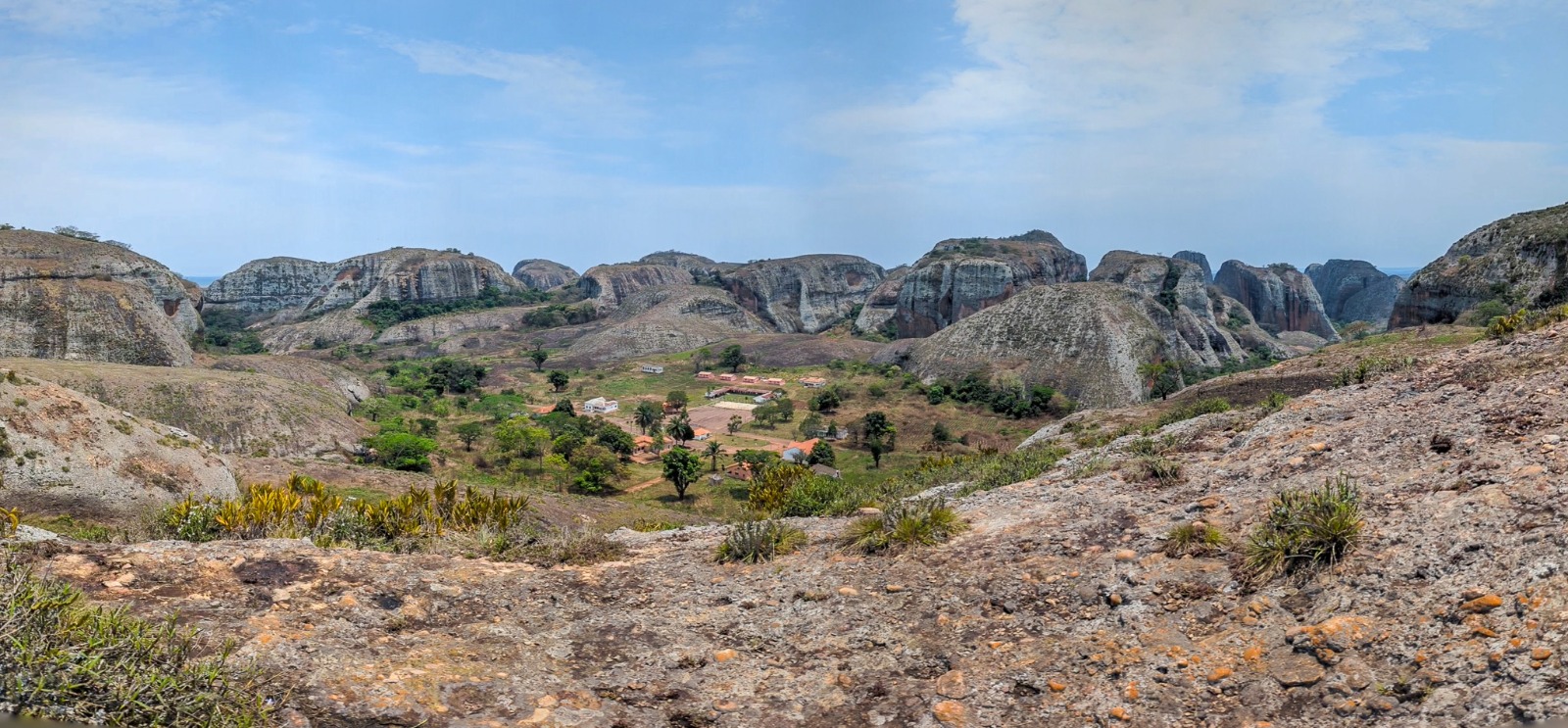
Bengo
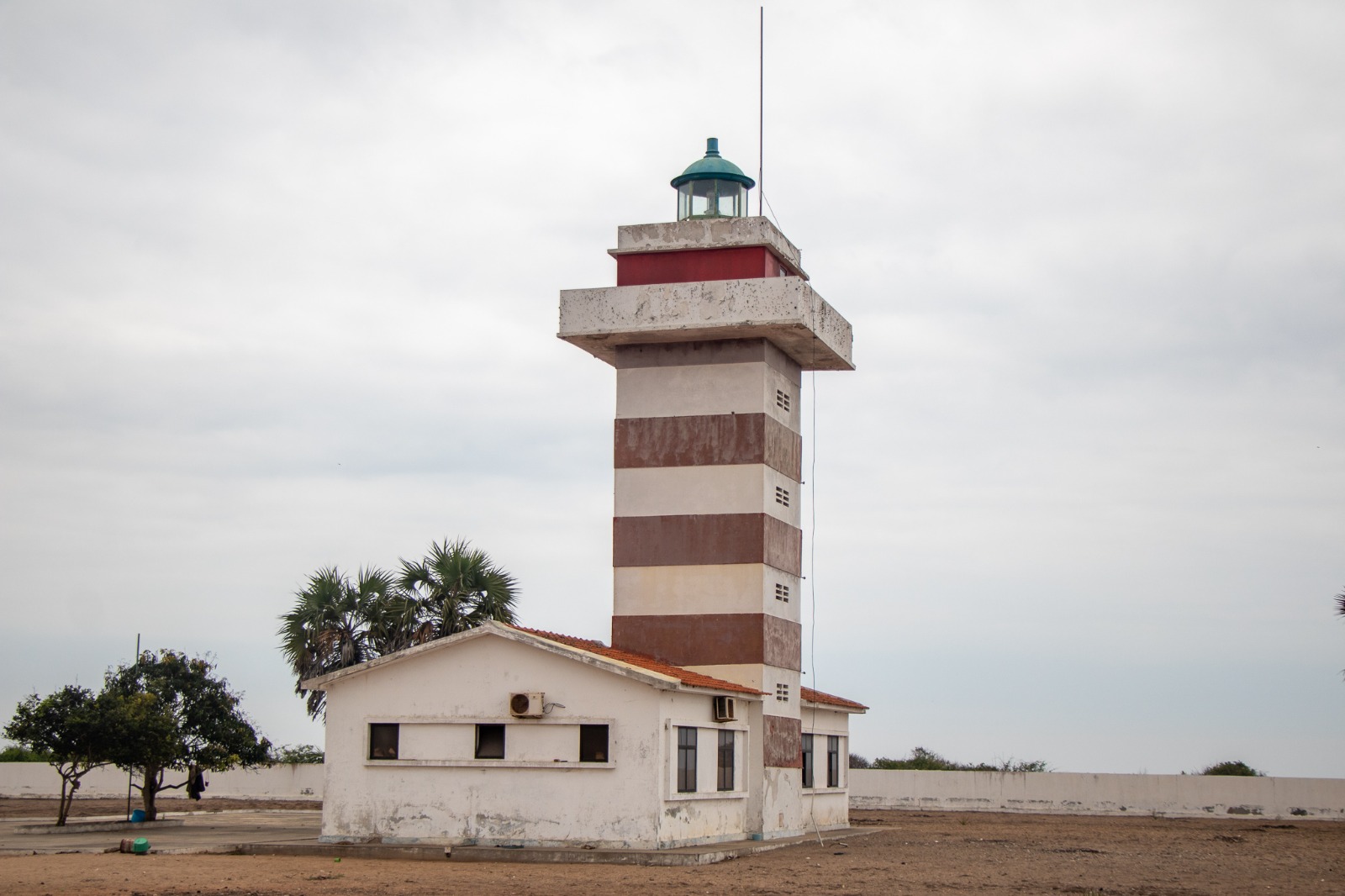
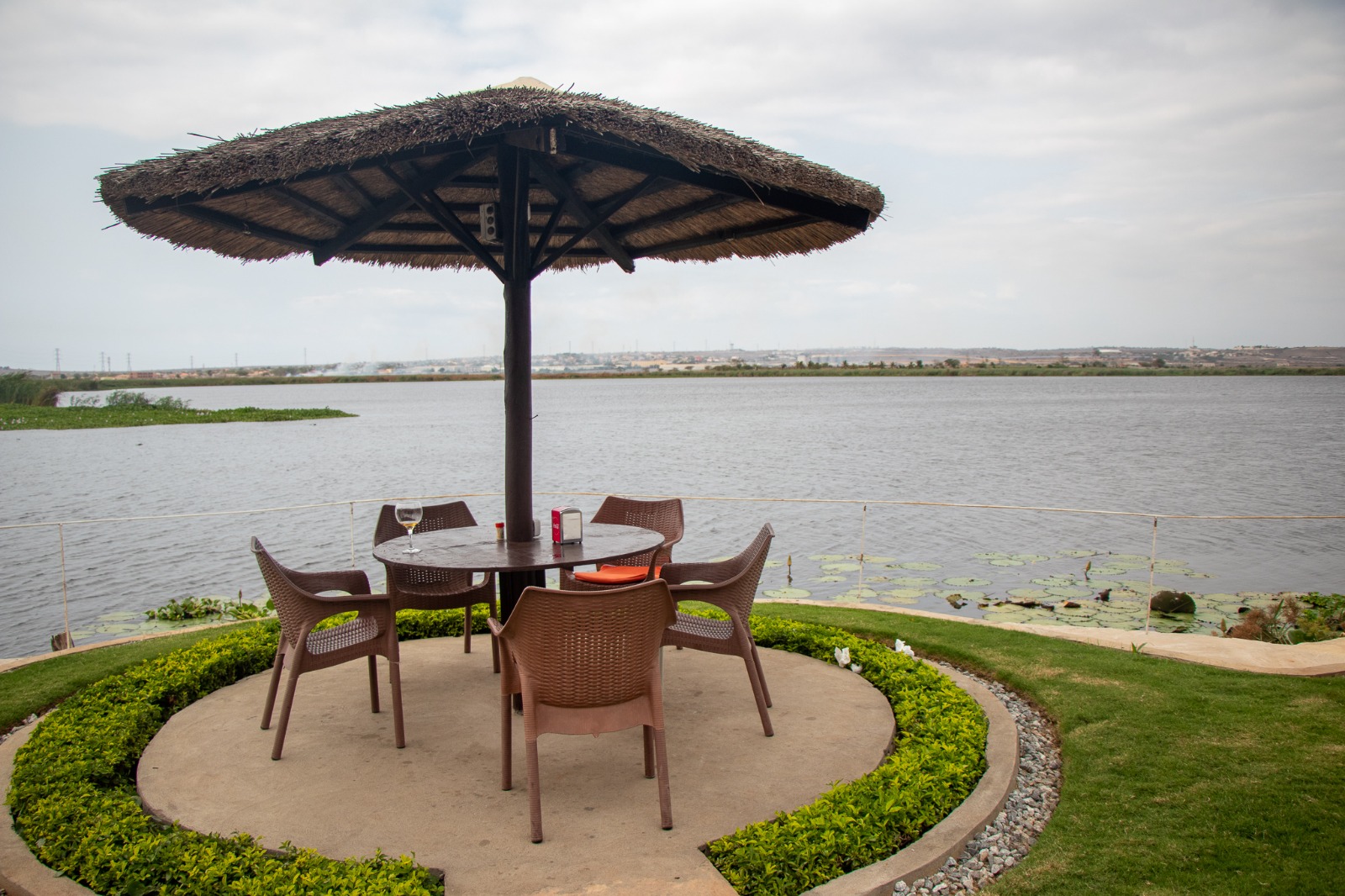
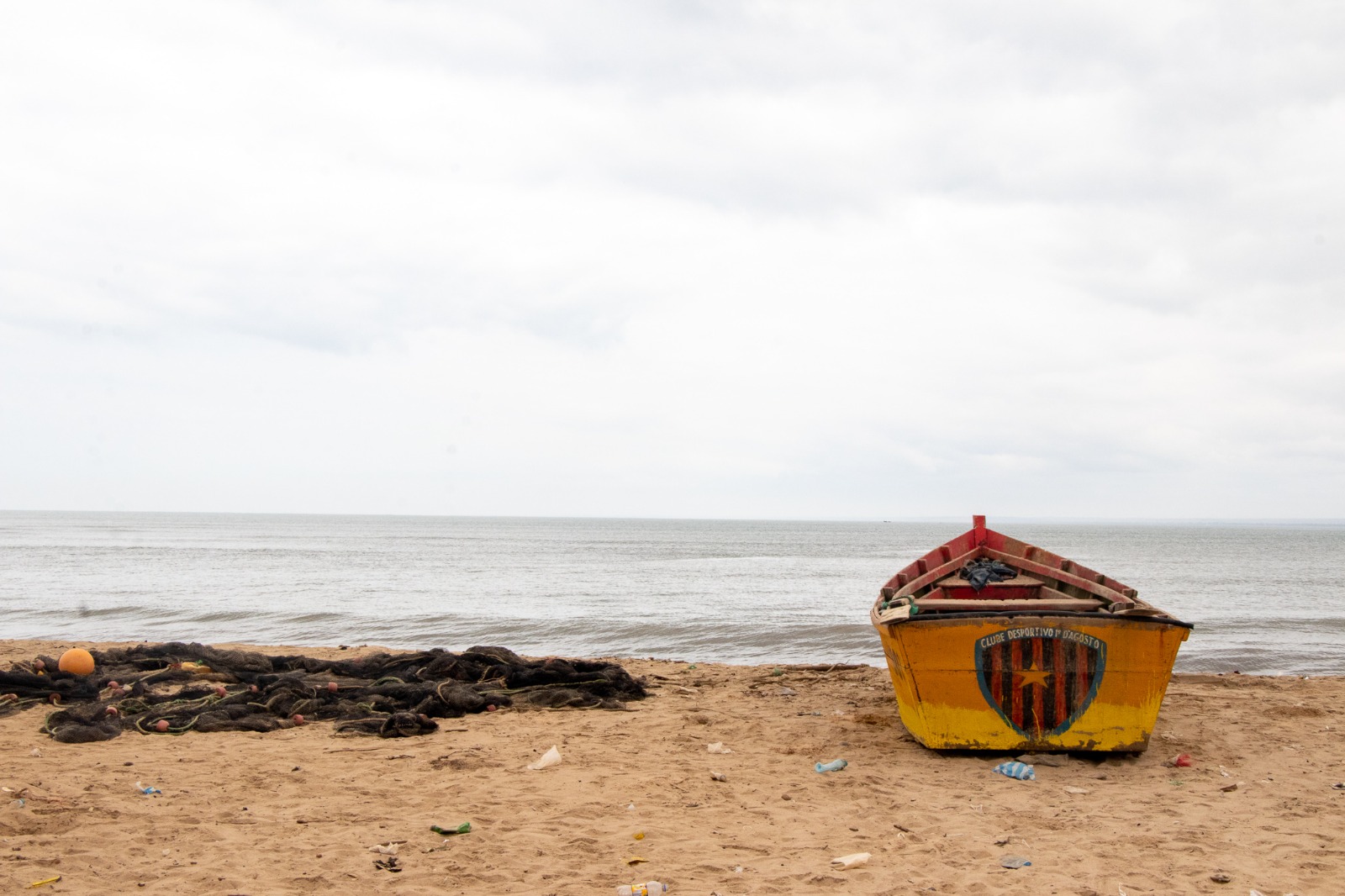
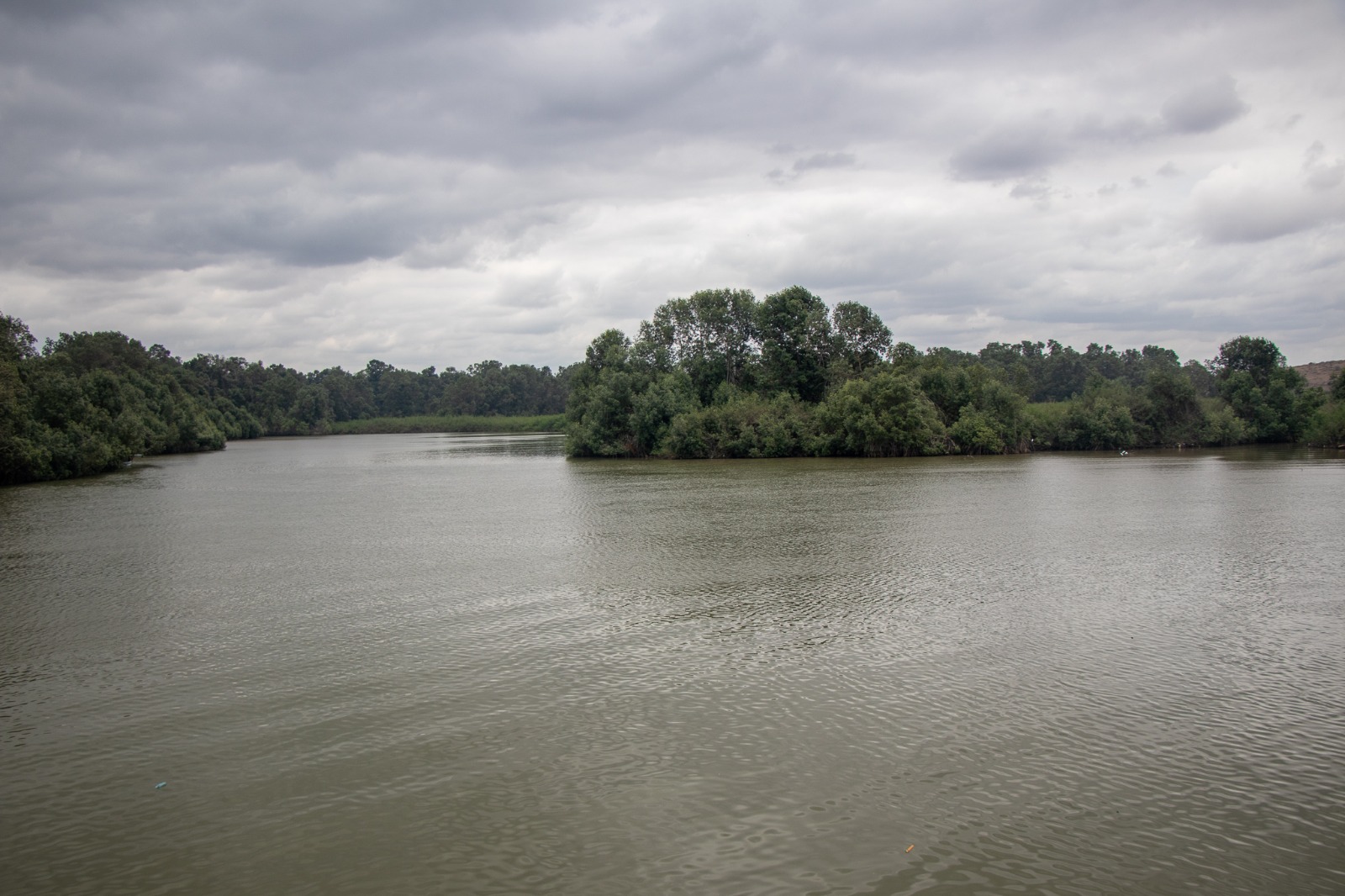
Lunda Norte
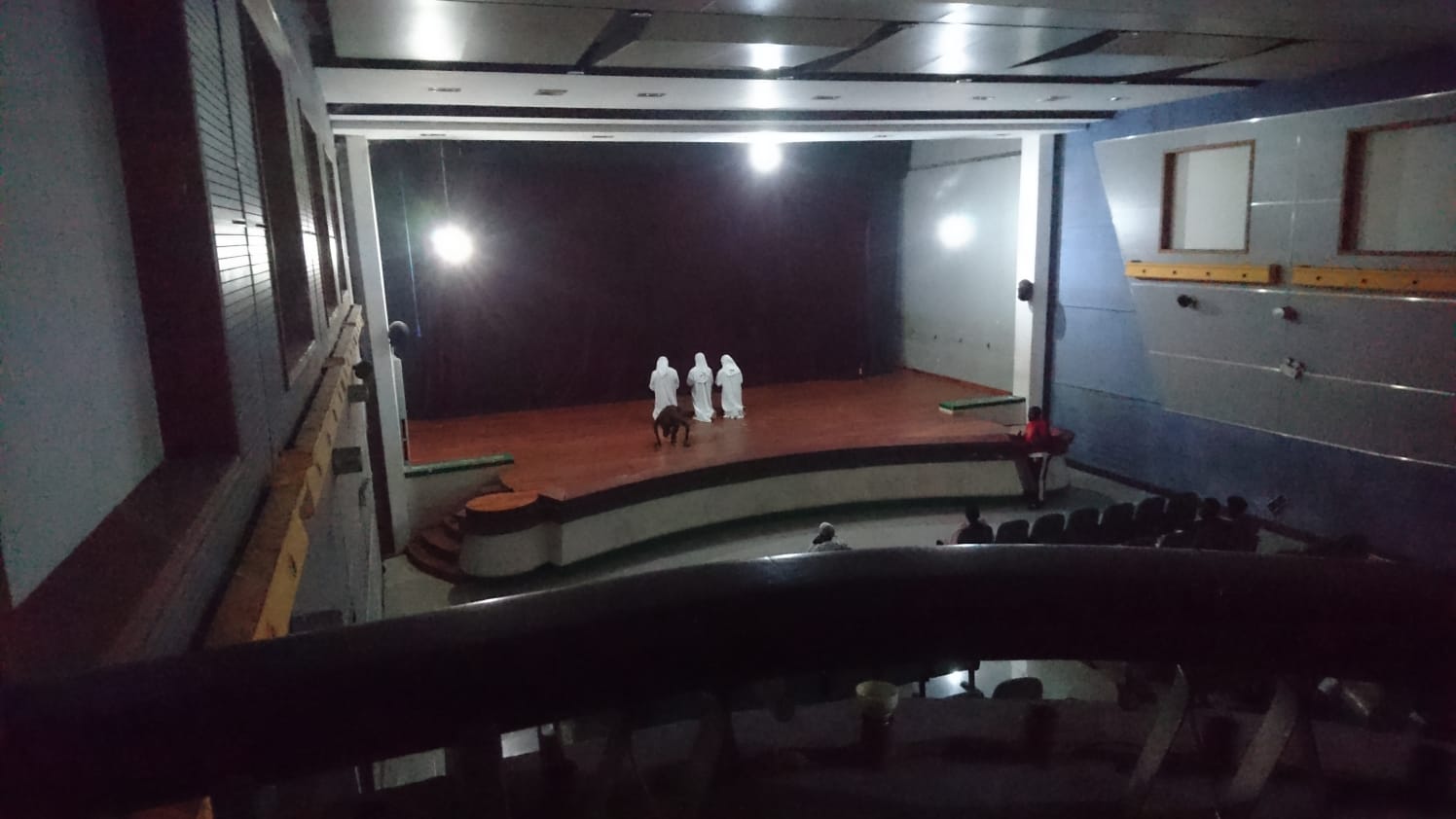
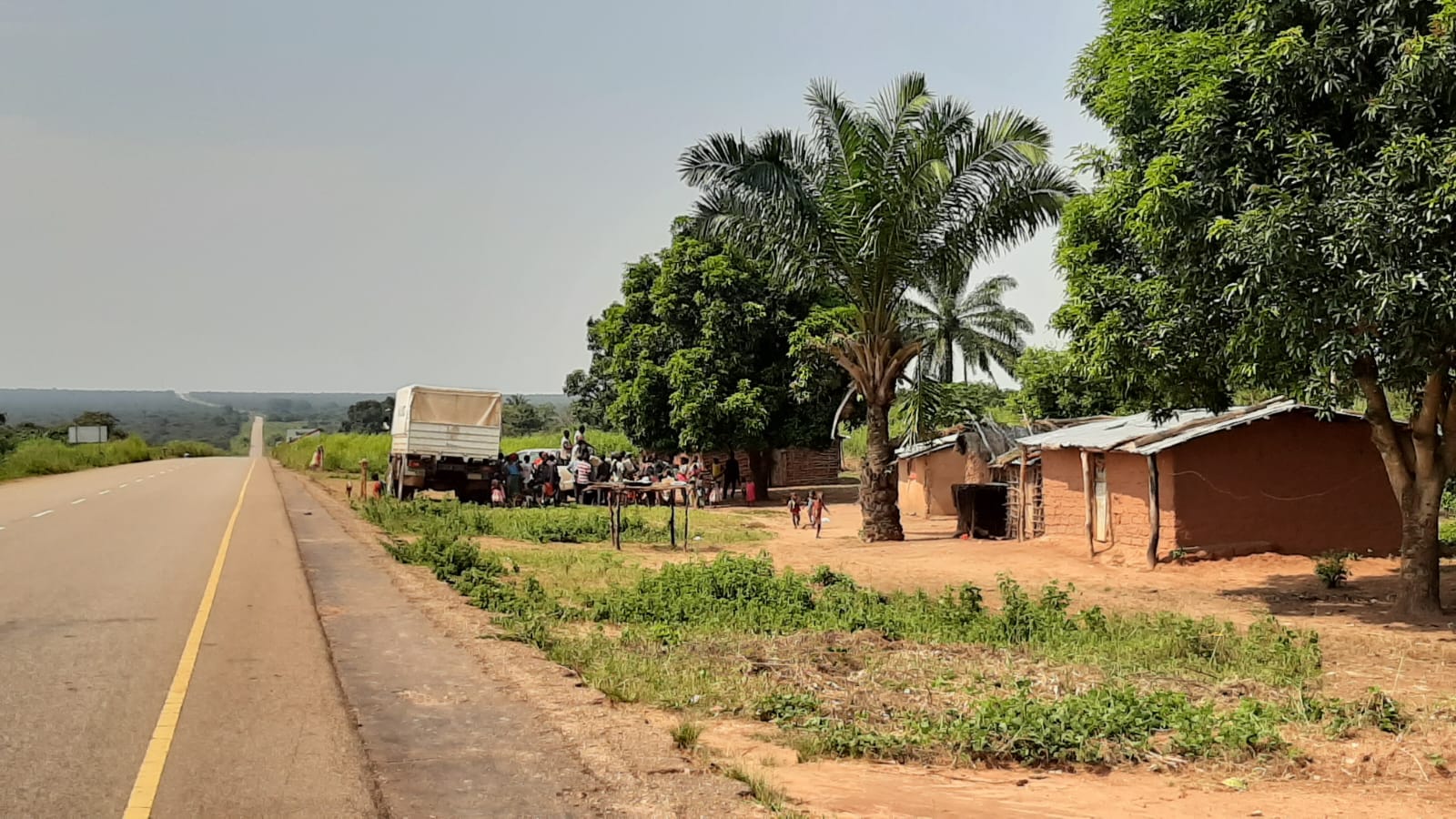
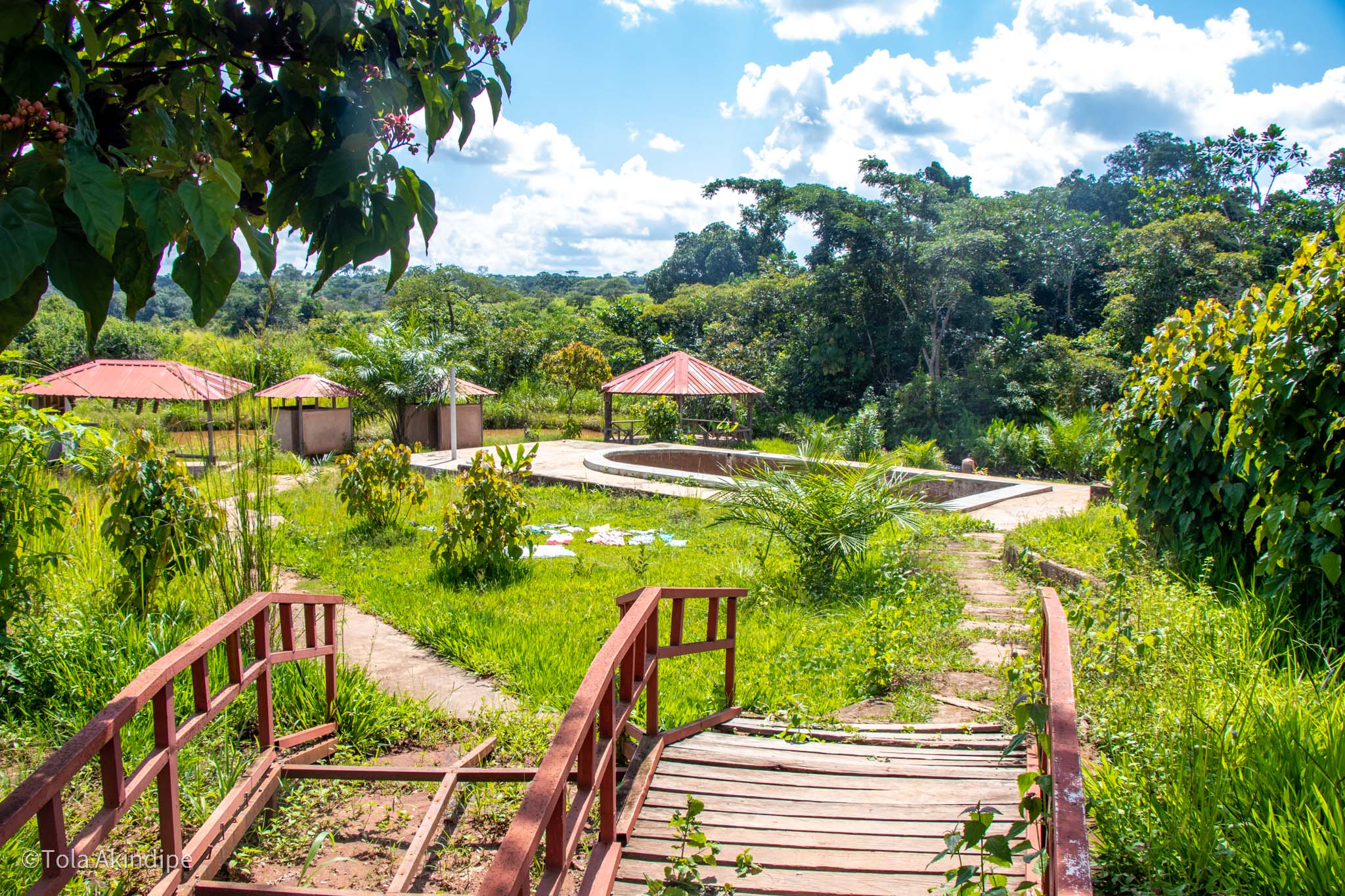
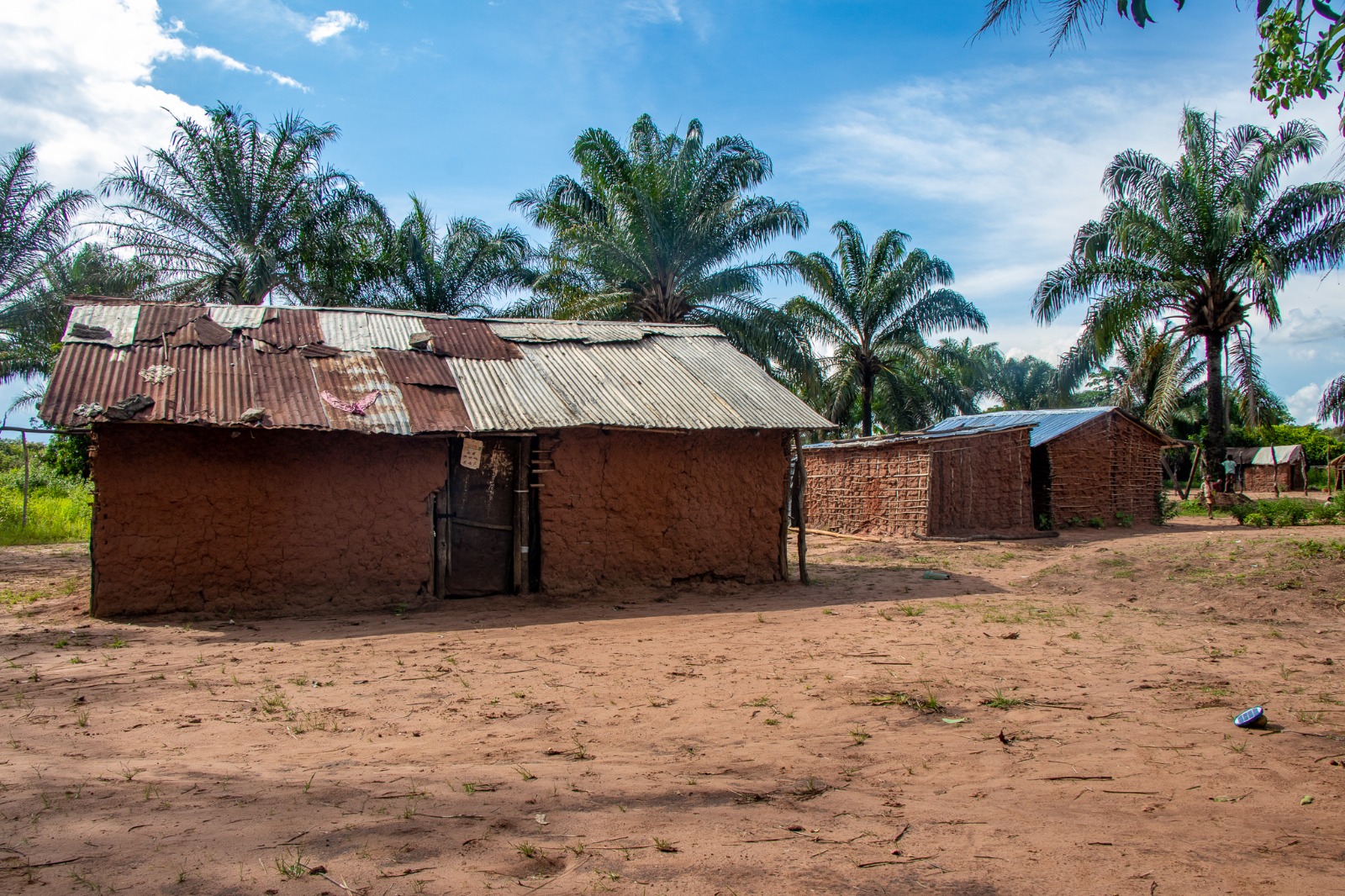
Angolan dishes

Travel notes
Getting around Luanda
There is no Uber in Angola, but ride-hailing apps such as Yango, Heetch, Ugo, and Vem Bazer are commonly used in Luanda. Most rides are paid in cash or local bank transfer, and airport pickups often involve drivers negotiating prices even with these apps.
Domestic travel takes time
Angola is a very large country, so distances can be longer than visitors expect. Road trips between provinces often take several hours, and domestic flights with TAAG can occasionally face delays or cancellations.
Malanje waterfalls trip
There is currently no airport in Malanje for most international visitors, so trips to Kalandula Falls normally begin in Luanda. The drive takes around five to six hours, and many tour operators combine the waterfalls with the Pedras Negras de Pungo Andongo in the same trip.
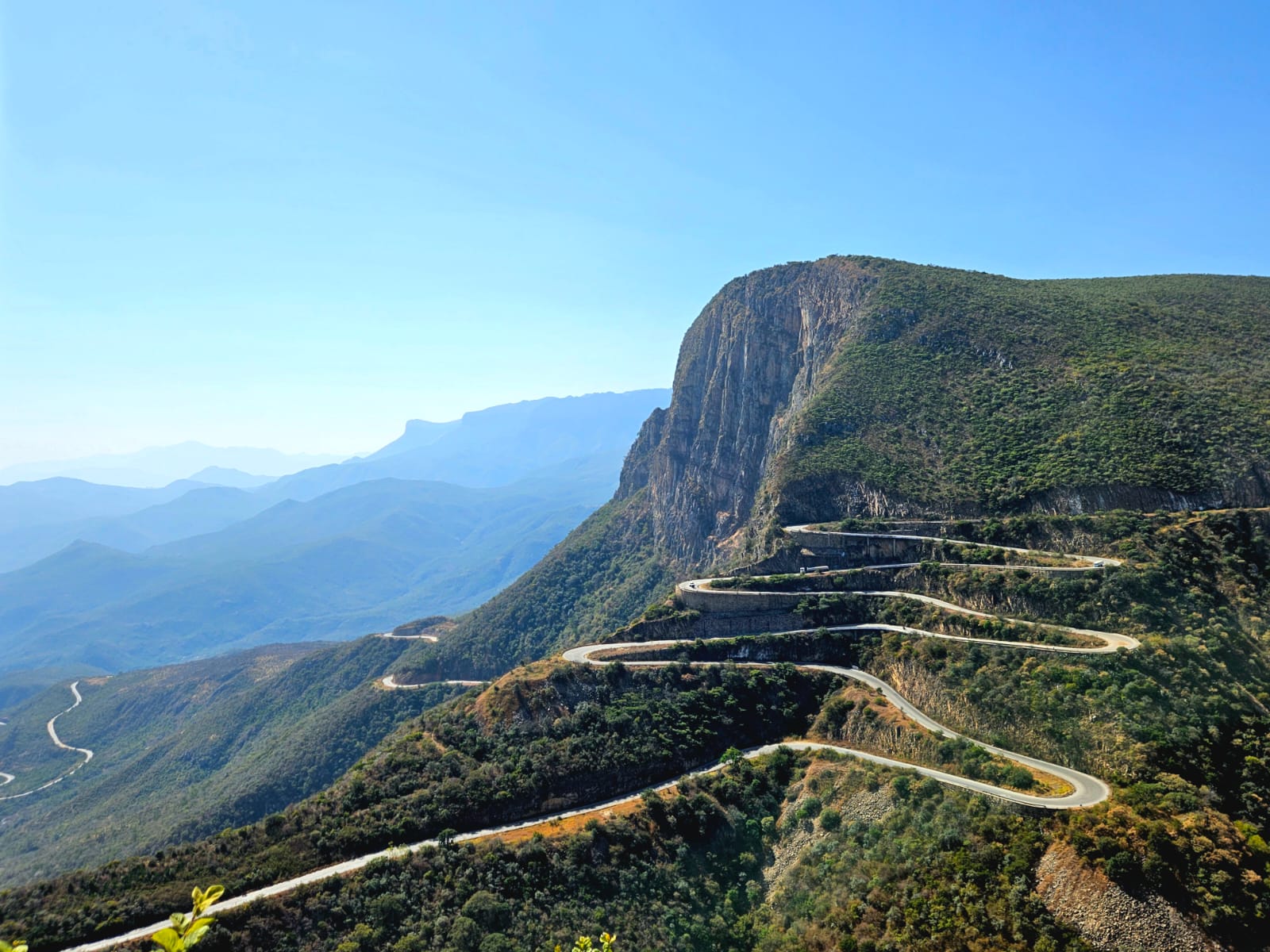
Serra da Leba location
There is ongoing debate about whether Serra da Leba belongs to Huíla or Namibe Province, as the mountain pass and surrounding landscapes sit near the border between the two provinces.
Hotels and card payments
Luanda has some extremely expensive hotels, but there are also good mid-range options if researched carefully. International Visa cards are accepted in major hotels and restaurants, though many smaller businesses still prefer cash or local payment methods.
Internet and mobile data
Mobile internet, dominated by UNITEL, in Angola is generally good in Luanda and major cities, but coverage can become weaker during long road trips or in remote provinces. Buying a local SIM card is highly recommended for navigation although this is not simple for tourists.